

1. Comfort as a Core Product Expectation
Comfort has become a primary factor in purchasing decisions across both men’s underwear and women’s lingerie. Features such as soft waistbands, breathable fabrics, seamless construction, and wire-free designs align with the demands of long work hours and hybrid lifestyles. Brands like Tommy John emphasize fabric quality and fit, while Victoria’s Secret has increasingly highlighted product refinement and wearability in its collections.
2. Integration of Function and Design
The distinction between functional basics and aesthetic fashion is narrowing. Consumers expect products that combine visual appeal with performance attributes such as moisture control, stretch retention, and durability. SKIMS reflects this shift through product lines that focus on both fit solutions and styling versatility, demonstrating how functionality is integrated into brand positioning.
3. Expansion of Inclusive Sizing and Representation
Inclusivity has become a defining characteristic of the lingerie segment. Product ranges now extend across broader size categories, while marketing reflects diverse body types and identities. Aerie has contributed to this shift through campaigns centered on body confidence and realistic representation. This approach has influenced consumer perception and reduced barriers associated with purchasing intimate apparel.
4. Rising Style Awareness in Men’s Underwear
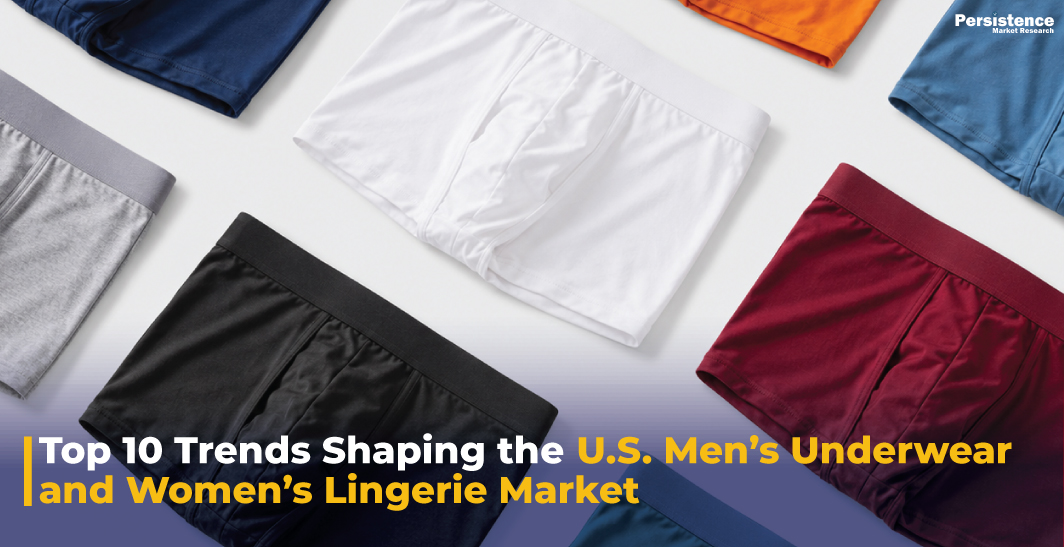
Men’s underwear is increasingly viewed through the lens of personal style and fit rather than simple replenishment. Preferences now include varied cuts such as trunks, boxer briefs, and briefs designed for specific activities or comfort levels. Offerings from SKIMS and Tommy John illustrate how design, fabric, and support features are becoming more differentiated within the category.
5. Growth of Direct To Consumer Engagement
Direct-to-consumer channels have strengthened communication between brands and consumers in the intimates category. Detailed product descriptions, fit guides, and flexible return policies contribute to higher confidence in online purchases. Bombas represents this model by combining product storytelling with a social impact initiative, which enhances customer engagement and brand recall.
6. Transformation of the Bra Segment
The women’s bra category has diversified significantly, moving beyond traditional structured designs. Wireless bras, bralettes, and adaptive styles are now widely available, reflecting demand for flexibility and ease of wear. Aerie and Victoria’s Secret have expanded their offerings to include comfort-oriented designs that accommodate a range of daily activities.
7. Increasing Relevance of Sustainable Materials
Sustainability considerations are becoming more visible in product development and marketing. Materials such as organic cotton, recycled fibers, and low impact textiles are gaining traction as consumers show greater awareness of environmental factors. Aerie has incorporated recycled materials into select collections, reflecting broader industry movement toward responsible sourcing.
8. Digital First Shopping Behavior
Online platforms have transformed the way intimate apparel is purchased. Consumers rely on digital tools such as size guides, customer reviews, and curated bundles to make informed decisions. The convenience of repeat purchasing and subscription models further supports online growth, particularly in categories where fit consistency encourages brand loyalty.
9. Focus on Merchandising and Product Clarity
Established companies are refining product assortments and improving in store and online presentation. Hanesbrands has emphasized innovation and availability within its innerwear segment, highlighting the importance of clear product positioning and consistent quality in maintaining market relevance.
10. Convergence of Utility and Self-Expression
Underwear and lingerie increasingly reflect both functional needs and personal identity. Product choices are influenced by comfort, fit, and performance, while also aligning with individual preferences in style and presentation. This convergence has expanded the role of intimate apparel from a basic necessity to a category that supports everyday confidence and expression.
The U.S. men’s underwear and women’s lingerie market continues to develop along practical, inclusive, and digitally oriented lines. Comfort, adaptability, and product transparency define current expectations, while evolving consumer preferences sustain demand across both everyday essentials and specialized offerings.


