

What are automotive alloy wheels?
Over the years, alloy wheels have become a must-have for many car buyers. They’re no longer limited to high-end vehicles or luxury sports cars. Today, alloy wheels are found everywhere from compact cars to SUVs and trucks. That growing demand has led to a very competitive global industry, with several major manufacturers leading the way.
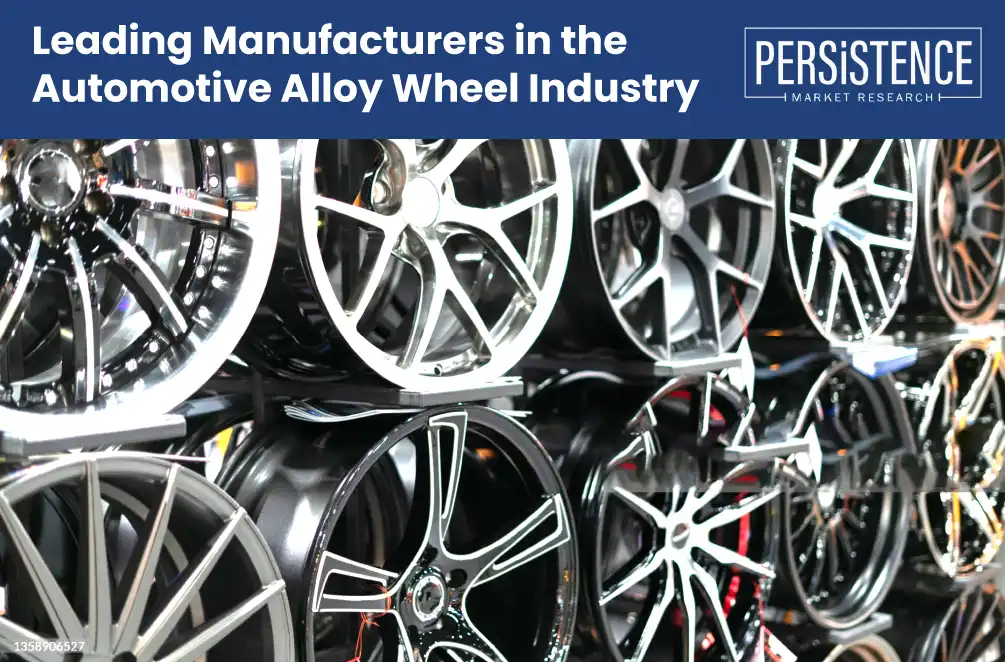
Who are the key players in the global alloy wheel market?
Names like Enkei, BBS, Ronal Group, Maxion Wheels, and CITIC Dicastal consistently come up when talking about industry leaders. These manufacturers supply both original equipment (OEM) wheels, which come with new vehicles, and aftermarket wheels that customers buy to upgrade their cars.
- What makes Enkei a standout name in the industry?
Founded in Japan in 1950, Enkei is known worldwide for its high-performance and lightweight alloy wheels. The company works with both automotive manufacturers and motorsports teams, supplying wheels that are as strong as they are stylish. We often find Enkei wheels on performance cars and in racing series like Formula Drift and Formula One. Enkei’s focus on engineering and quality has earned it a solid reputation among both carmakers and driving enthusiasts.
- Why does BBS continue to be seen as a premium brand?
BBS, a German manufacturer established in 1970, is widely recognized for its premium alloy wheels. Known for their intricate multi-spoke designs and forged construction, BBS wheels have long been a favorite in motorsports and among performance car owners. BBS focuses heavily on forged wheel technology, which involves compressing metal under high pressure to make it stronger and lighter than cast alternatives.
- How does Ronal Group maintain a strong presence in Europe?
Ronal Group, based in Switzerland, is one of the largest alloy wheel manufacturers in Europe. With more than 20 production sites around the world, the company produces over 20 million wheels each year. Its clients include big names like Mercedes-Benz, Ford, and Volkswagen.
Ronal has a strong reputation for blending high-quality design with environmentally friendly manufacturing. They even launched the world’s first carbon-neutral wheel, the RONAL R70-blue. The company also invests heavily in research and development, ensuring its products meet high standards for durability, safety, and design.
- What gives Maxion Wheels a competitive edge?
Maxion Wheels, a division of Brazil’s Iochpe-Maxion, is the world’s largest wheel manufacturer. While they’re well known for steel wheels, they’ve also made significant strides in the alloy wheel market. Maxion supplies wheels for passenger cars, trucks, and commercial vehicles across the globe.
What makes Maxion stand out is its massive scale and manufacturing footprint. With production facilities in North and South America, Europe, and Asia, Maxion can supply major automakers efficiently and cost-effectively. The company also invests in lightweight materials and advanced designs to meet the growing demands of electric vehicles and fuel-efficient cars.
- Why is CITIC Dicastal a major force in the Asian market?
CITIC Dicastal, a subsidiary of China’s CITIC Group, is the largest aluminum wheel manufacturer in China and one of the biggest globally. It supplies wheels to a long list of international automakers, including Toyota, Ford, and General Motors.
Dicastal’s strength lies in its production capacity and vertical integration. With over 20 plants, the company can manufacture huge volumes while keeping quality consistent. It also focuses heavily on automation and smart manufacturing, allowing it to deliver reliable, cost-effective products at scale.
What trends are shaping the future of alloy wheel manufacturing?
One of the biggest trends is the shift toward electric vehicles (EVs), which require lighter components to improve battery range. This is pushing manufacturers to develop even lighter and stronger alloy wheels.
A strong shift towards sustainability is also being witnessed on the global front, where companies are investing in environmentally friendly production procedures, especially the use of recycled aluminum and energy-saving plans in industrial production. At the same time, there is a rising trend towards personalization as more motorists are demanding custom-designed wheels that reflect their own sense of style.
On the tech side, the industry is experiencing a growth of ‘smart wheels’ that have embedded sensors that can detect tire pressure, temperature, and even structural monitoring. As the industry continues to innovate, the top manufacturers are the ones combining performance, design, and sustainability in ways that keep them ahead of the curve.


