




- Processed Food
- Veggie Crisps Market
Veggie Crisps Market Size, Share, and Growth Forecast, 2026 - 2033
Veggie Crisps Market by Product Type (Potato Chips, Banana Chips, Carrot Chips, Beet Chips, Others), Flavor Type (Plain, Flavored), and Regional Analysis for 2026 - 2033

Veggie Crisps Market Size and Trends Analysis
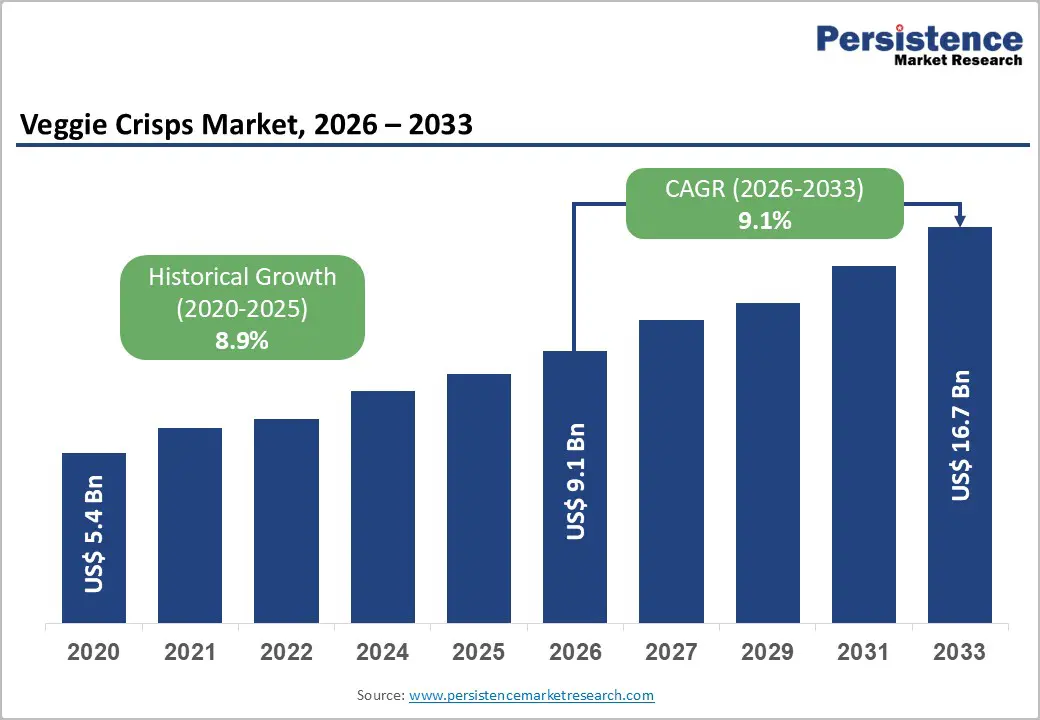
The global veggie crisps market size is likely to be valued at US$9.1 billion in 2026 and is expected to reach US$16.7 billion by 2033, growing at a CAGR of 9.1% during the forecast period from 2026 to 2033, driven by the increasing shift toward healthier snacking alternatives as consumers move away from conventional fried potato chips due to concerns over obesity, cardiovascular health, and excessive sodium intake.
Rising health awareness, coupled with growing adoption of plant-based and flexitarian diets, is boosting demand for vegetable-based crisps perceived as lower in fat, higher in fiber, and made from natural ingredients. Strong innovation in baked and air-fried processing methods, clean-label formulations, and exotic vegetable and flavor combinations is enhancing product appeal.
Key Industry Highlights:
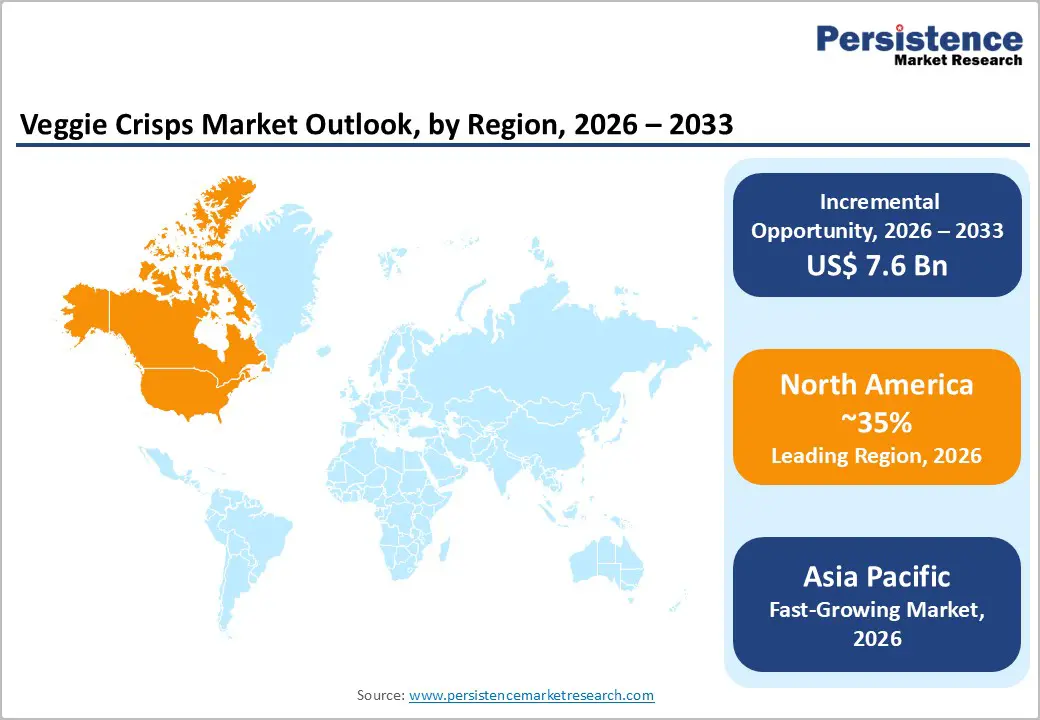
- Leading Region: North America is anticipated to be the leading region, accounting for a market share of 35% in 2026, driven by strong health awareness, widespread adoption of plant-based snacks, advanced retail and e-commerce penetration, and supportive FDA nutritional labeling regulations.
- Fastest-growing Region: Asia Pacific is likely to be the fastest-growing region in the veggie crisps in 2026, driven by rapid urbanization, rising disposable incomes, growing health awareness, western snacking influences, and expanding local manufacturing and retail infrastructure across China, India, Japan, and Southeast Asia.
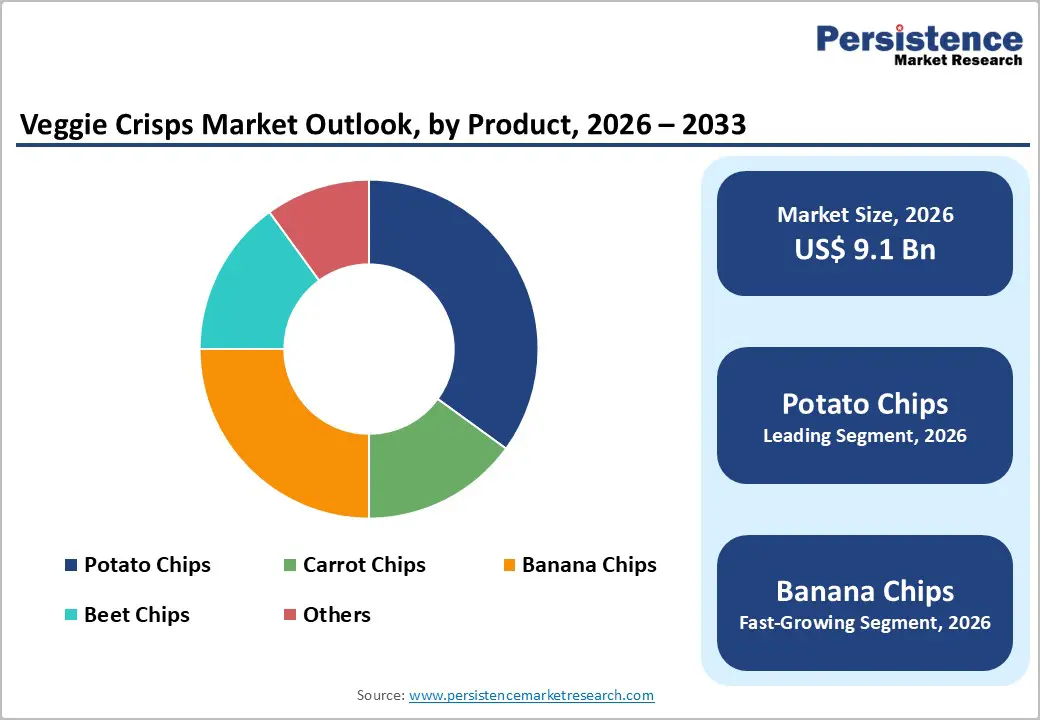
- Leading Product Type: Potato chips are projected to represent the leading product type in 2026, accounting for 45% of the revenue share, driven by strong consumer familiarity, wide availability, and established distribution networks.
- Leading Flavor: Flavored veggie crisps are anticipated to be the leading flavor type, accounting for over 65% of the revenue share in 2026, supported by strong consumer preference for variety, seasoning innovation, and differentiated taste profiles.
| Key Insights | Details |
|---|---|
|
Veggie Crisps Market Size (2026E) |
US$9.1 Bn |
|
Market Value Forecast (2033F) |
US$16.7 Bn |
|
Projected Growth (CAGR 2026 to 2033) |
9.1% |
|
Historical Market Growth (CAGR 2020 to 2025) |
8.9% |
Market Factors - Growth, Barriers, and Opportunity Analysis
Rising Health Consciousness and Demand for Nutritious Snacks
Growing awareness of lifestyle-related issues such as obesity, diabetes, and cardiovascular diseases has encouraged reduced consumption of high-fat and heavily processed foods. Veggie crisps, made from vegetables such as potato, beetroot, carrot, and banana, are perceived as healthier due to their plant-based origin, higher fiber content, and availability in baked or low-oil formats. Clear nutritional labeling and clean-label claims further strengthen consumer trust, positioning veggie crisps as a permissible indulgence within balanced diets. Increasing preference for non-GMO and gluten-free snack options supports wider adoption across diverse consumer groups.
Demand for nutritious and functional snacks is rising, supported by busy urban lifestyles and on-the-go consumption habits. Consumers are looking for snacks that combine taste with nutritional value, including natural ingredients, minimal additives, and reduced sodium. Banana chips and other vegetable-based crisps benefit from this trend, as they align with plant-based, vegan, and flexitarian eating patterns. Expansion of health-focused retail channels and online platforms has also improved product accessibility, reinforcing growth as veggie crisps increasingly replace traditional chips in daily snacking routines. Growing penetration of supermarkets, health food stores, and online platforms has expanded product visibility and availability.
Seasonal Supply Chain Vulnerabilities
The veggie crisps market heavily relies on the consistent availability of fresh vegetables such as potatoes, carrots, beets, and bananas. These raw materials are subject to seasonal variations, climatic conditions, and agricultural yield fluctuations, which can create supply chain vulnerabilities. Extreme weather events, including droughts, floods, or unseasonal rainfall, can reduce crop output, directly affecting the volume and quality of vegetable supplies. For example, a poor harvest in a major potato-growing region can disrupt production schedules across multiple brands. Transportation and storage of fresh vegetables further complicate the supply chain, as improper handling may lead to spoilage, increased wastage, and higher procurement costs.
Seasonal supply chain challenges also affect innovation and product diversification in the market. Limited availability of certain vegetables during off-seasons can restrict the launch of new flavors or specialty variants, such as beet or banana crisps, which are often positioned as premium or superfood snacks. Companies may turn to storage techniques, contract farming, or imports to mitigate shortages, but these approaches can increase operational costs and reduce margins. Supply volatility also affects inventory management, leading to potential stockouts in retail channels or inconsistent quality across batches. Fluctuations in vegetable prices can impact the affordability of healthier snack options, potentially slowing adoption among price-sensitive consumers.
Innovation in Flavors and Functional Ingredients
Traditional plain and lightly salted variants of veggie crisps are giving way to more adventurous options, including exotic spices, herb blends, tangy sauces, and international-inspired profiles. Flavor innovation not only enhances consumer engagement but also encourages repeat purchases and brand loyalty. Manufacturers are leveraging insights from sensory studies and consumer feedback to develop combinations that balance taste with health-conscious positioning. Functional ingredients, such as added protein, vitamins, minerals, probiotics, and antioxidants, are increasingly incorporated into veggie crisps to appeal to wellness-oriented consumers.
Functional and flavor innovation also opens opportunities for tapping into markets, including vegan, gluten-free, and superfood-focused consumer segments. Collaborations with culinary experts or food startups help brands introduce novel flavor profiles, creating buzz and a competitive advantage. Innovations in processing methods, such as air-frying or baking, allow the retention of nutrients while enhancing texture and taste, aligning with the demand for healthier snack alternatives. The growing e-commerce sector enables rapid testing of new flavors and functional variants directly with consumers, reducing time-to-market.
Category-wise Analysis
Product Type Insights
Potato chips are projected to dominate, contributing around 45% of total revenue in 2026. Their leading position is driven by strong consumer familiarity, enjoyable taste, and widespread availability in supermarkets, convenience stores, and online channels. Potato-based veggie crisps benefit from well-established distribution networks and high brand loyalty, as many consumers prefer their familiar texture and flavor. Companies such as Kettle Foods have leveraged this preference by offering a variety of potato crisps, including baked and lightly salted options, positioning them as healthier alternatives to traditional fried chips. Their popularity is further supported by marketing campaigns emphasizing natural ingredients and clean-label claims, appealing to health-conscious buyers.
Banana chips are expected to emerge as the fastest-growing segment, fueled by increasing awareness of superfoods and rising demand for plant-based, low-calorie snack options. They offer a distinctive flavor along with nutritional advantages such as dietary fiber, potassium, and reduced fat content when baked or air-fried, making them appealing to health-conscious and vegan consumers. Brands such as Bare Snacks have capitalized on this trend by positioning banana crisps as premium, convenient snacks for fitness-focused and wellness-oriented audiences. Growth in this segment is further supported by strong social media visibility and influencer-driven campaigns that emphasize the functional and nutritional benefits of banana crisps.
Flavor Insights
Flavored veggie crisps are expected to dominate the market, accounting for approximately 65% of the total revenue in 2026. Growing consumer preference for innovative flavors such as sea salt, barbecue, sour cream, and exotic spice blends is driving this trend, as these products deliver enhanced taste experiences while still aligning with perceived health benefits. Brands such as Terra Chips have gained significant traction by offering a wide range of vegetable-based crisps in diverse flavor profiles, appealing to both mainstream and premium consumers. Flavored variants also encourage higher engagement, repeat purchases, and stronger brand loyalty by meeting both taste and wellness expectations. Marketing strategies that highlight clean-label ingredients, natural flavorings, and the absence of artificial additives further strengthen consumer confidence and appeal.
Plain-flavored veggie crisps are expected to be the fastest-growing flavor segment, as they appeal to health-conscious consumers seeking minimally processed, low-sodium snacks that showcase the natural taste of vegetables such as carrots, beets, and bananas. Brands such as Good Health Natural Products have leveraged this trend by offering lightly salted vegetable crisps with clean labels and minimal additives. Plain variants also serve as a “gateway” option, encouraging consumers to explore other flavors or functional ingredients, which supports brand-building and cross-promotion strategies. Growth in this segment is further driven by rising interest in plant-based diets, gluten-free snacking, and flexible eating patterns, including vegan and flexitarian lifestyles.
Regional Insights
North America Veggie Crisps Market Trends
North America is anticipated to be the leading region, accounting for a market share of 35% in 2026, driven by strong demand for plant-based, low-calorie, and clean-label snack options among U.S. and Canadian consumers. Rising health awareness, particularly related to obesity, diabetes, and cardiovascular concerns, is encouraging snackers to substitute traditional fried chips with baked, air-fried, or dehydrated vegetable crisps made from potatoes, beets, carrots, and other root vegetables. Retail penetration across supermarkets, convenience stores, and online platforms fuels accessibility and trial, while innovative packaging formats such as single-serve pouches cater to on-the-go lifestyles.
Innovation remains a core trend shaping North America’s veggie crisps landscape, with brands expanding flavor profiles, introducing functional ingredients, and leveraging healthier processing technologies such as air frying and vacuum frying to improve nutritional appeal. For example, PepsiCo’s Bare Snacks brand has expanded its product portfolio with air-dried sweet potato and kale chips that emphasize simple, wholesome ingredients, reflecting the broader industry move toward better-for-you snacks that do not compromise taste. Beyond product innovation, sustainability and ethical sourcing are gaining attention, with companies highlighting eco-friendly packaging and responsible vegetable procurement to resonate with environmentally conscious buyers.
Europe Veggie Crisps Market Trends
Europe is expected to be a significant market for veggie crisps in 2026, driven by strong consumer interest in plant-based alternatives that align with clean-label and natural ingredient trends. Demand for vegetable-based chips made from potatoes, beets, carrots, legumes, and other vegetables is rising rapidly, supported by increasing awareness of nutrition, fiber content, and lower-fat options. Consumers in key markets such as Germany, the U.K., and France are actively seeking minimally processed, non-GMO, and gluten-free snacks, encouraging manufacturers to innovate with baking, air-frying, and dehydration techniques that help preserve nutrients while reducing oil content.
Innovation and brand diversification are the key forces shaping Europe’s veggie crisps landscape, as companies tailor products to regional taste preferences and highlight sustainability credentials to stand out. For instance, PepsiCo’s Calbee Harvest Snaps and its vegetable chip offerings in Europe demonstrate how global snack players are adapting to local health trends by emphasizing plant-based ingredients, reduced oil content, and diverse flavor profiles to attract a broad consumer base. Manufacturers are also incorporating functional ingredients and experimenting with new flavors, while sustainable packaging and ethically sourced inputs continue to resonate strongly with environmentally conscious European consumers.
Asia Pacific Veggie Crisps Market Trends
The Asia Pacific region is projected to be the fastest-growing region in the veggie crisps market in 2026. Rising awareness of diet-related health issues such as obesity and diabetes has driven demand for plant-based snacks made from vegetables such as sweet potato, beetroot, carrot, and banana, which are perceived as nutrient-rich alternatives to traditional fried chips. Urbanization, higher disposable incomes, and busier lifestyles are also boosting the consumption of convenient, on-the-go veggie crisps. Retail penetration through modern supermarkets, specialty health food stores, and growing e-commerce platforms enhances accessibility, making it easier for consumers to explore and purchase a variety of veggie chip products.
Innovation and local flavor adaptation further characterize the Asia Pacific market, with regional tastes influencing product development and differentiation. For example, Calbee, Inc. has successfully introduced vegetable chip lines tailored to Asian palates, incorporating roots such as taro and yam alongside familiar vegetables, supported by marketing that emphasizes natural ingredients and balanced nutrition. These efforts reflect broader trends toward product diversification, including air-fried and dehydrated options that offer lower oil content while maintaining texture. Shifting consumer preferences toward non-GMO and allergen-friendly products are prompting manufacturers to expand their portfolios, appealing to both mainstream and niche segments.
Competitive Landscape
The global veggie crisps market exhibits a moderately fragmented structure, driven by the presence of both large multinational corporations and a growing number of niche, health-focused brands competing for consumer attention. Major players leverage their established distribution networks and marketing capabilities to maintain strong market positions, while smaller and regional companies differentiate through product innovation, unique flavor profiles, and clean-label credentials. This competitive mix fosters dynamic rivalry, encouraging constant development of new offerings, expanded flavor varieties, and healthier processing methods such as air-frying and dehydration to meet evolving consumer demand for nutritious snacks.
With key leaders including PepsiCo (through its Bare Snacks brand), Calbee, Hain Celestial Group (with Terra Chips and Sensible Portions), Rhythm Superfoods, and Utz Quality Foods, the competitive landscape is diverse and highly active. These players compete through continuous product development, strategic partnerships, mergers and acquisitions, and expanded retail and e-commerce presence to strengthen market reach and consumer loyalty. Sustainability credentials, clean-label transparency, and bold new flavors are increasingly important differentiators, as brands seek to align with health-conscious and environmentally aware consumers.
Key Industry Developments:
- In November 2025, India’s healthy snacking brand “To Be Honest” (TBH) from Ghodawat Consumer Limited (GCL) launched its new Mix Veggie Chips, strengthening its clean-label lineup. This product features a blend of five vegetables: vacuum-cooked golden sweet potato, purple sweet potato, jackfruit, beetroot, and okra, lightly seasoned with rock salt, retaining over 90% of nutrients and containing 40% less fat with no palm oil.
- In March 2025, Garden Veggie™ Snacks, part of the Hain Celestial Group, launched two bold new varieties of its Flavor Burst™ Tortilla Chips, Smoky BBQ and Sweet Tangy Chili, enhancing its better-for-you snack lineup. These chips feature the goodness of five vegetables: spinach, beet, red bell pepper, carrot, and tomato, combined with non-GMO corn, and contain no artificial flavors or preservatives, with colors derived from natural sources. The Smoky BBQ variety delivers a rich, classic barbecue flavor with a craveable crunch, while the Sweet Tangy Chili variety offers a sweet-spicy kick designed for adventurous snackers.
Companies Covered in Veggie Crisps Market
- Bare Snacks
- Terra Chips
- Sensible Portions
- Calbee
- Utz Quality Foods
- Rhythm Superfoods
- The Real Deal Snacks
- Brad's Plant Based
- Kettle Foods
- Beanfields Snacks
- Popchips
- Good Health Natural Products
- Simply 7 Snacks
- Luke's Organic
- Harvest Snaps
- Garden of Eatin'
- Dang Foods
Frequently Asked Questions
The global veggie crisps market is projected to reach US$9.1 billion in 2026.
Rising consumer health consciousness and demand for nutritious, plant-based snack alternatives drive the veggie crisps market.
The veggie crisps market is expected to grow at a CAGR of 9.1% from 2026 to 2033.
The veggie crisps market offers several key opportunities, including innovation in flavors and functional ingredients, expansion of clean-label and plant-based product lines, growth of e-commerce and online retail channels, and increased penetration into emerging markets with rapidly growing health-conscious consumer populations.
Bare Snacks, Terra Chips, Sensible Portions, Calbee, Utz Quality Foods, and Rhythm Superfoods are the leading players.


