




- Travel and Tourism
- Animal Theme Park Market
Animal Theme Park Market Size, Share, and Growth Forecast 2026 - 2033
Animal Theme Park Market by Attraction Type (Mammals, Aquarium, Reptiles, Birds, Insects), Revenue Model (Ticket, Food & Beverage, Merchandise, Hotels, Other), Age Group (Children, Adults, Seniors), Distribution Channel (Online Booking, On-site, Tour Operators, Corporate Partnerships), and Regional Analysis for 2026 - 2033

Animal Theme Park Market Size and Trend Analysis
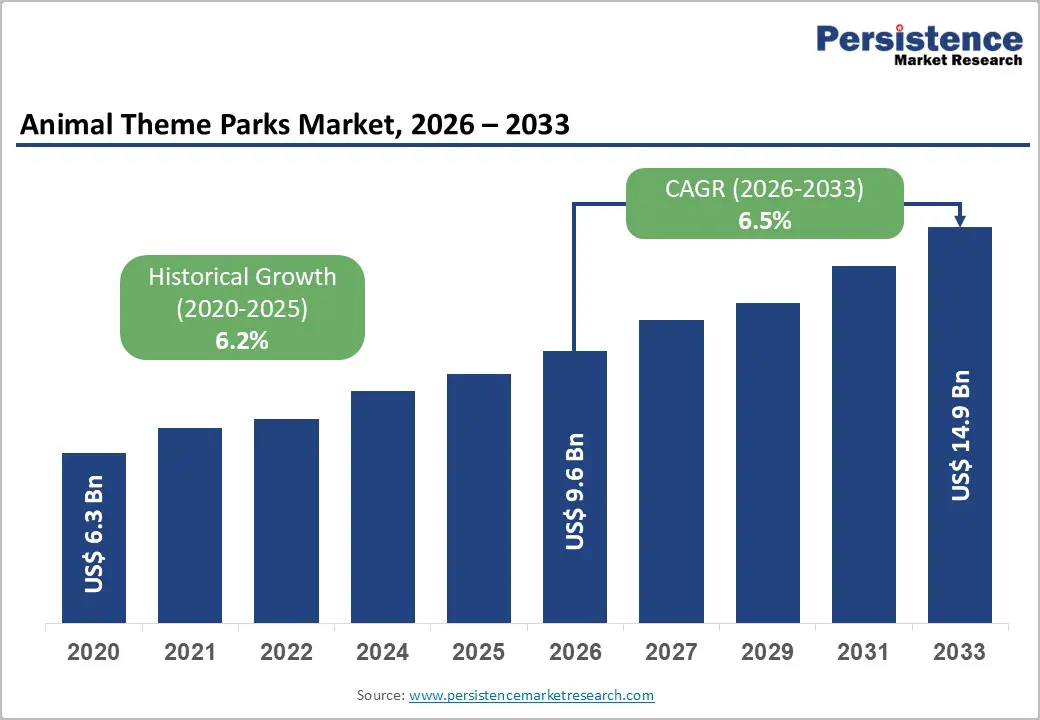
The global animal theme park market size is supposed to be valued at US$ 94.3 billion in 2026 and is projected to reach US$ 137.2 billion by 2033, growing at a CAGR of 5.5% between 2026 and 2033.
Increasingconsumer demand for experiential tourism and wildlife conservation education, with global zoo and aquarium facilities affiliated through regional associations attracting more than 700 million visitors annually, according to the World Association of Zoos and Aquariums (WAZA). The integration of conservation-focused breeding programs and immersive animal encounters has transformed traditional wildlife parks into comprehensive entertainment and education destinations, with facilities increasingly adopting habitat-based enclosures and digital engagement platforms to enhance visitor experiences while addressing evolving ethical standards.
Key Industry Highlights
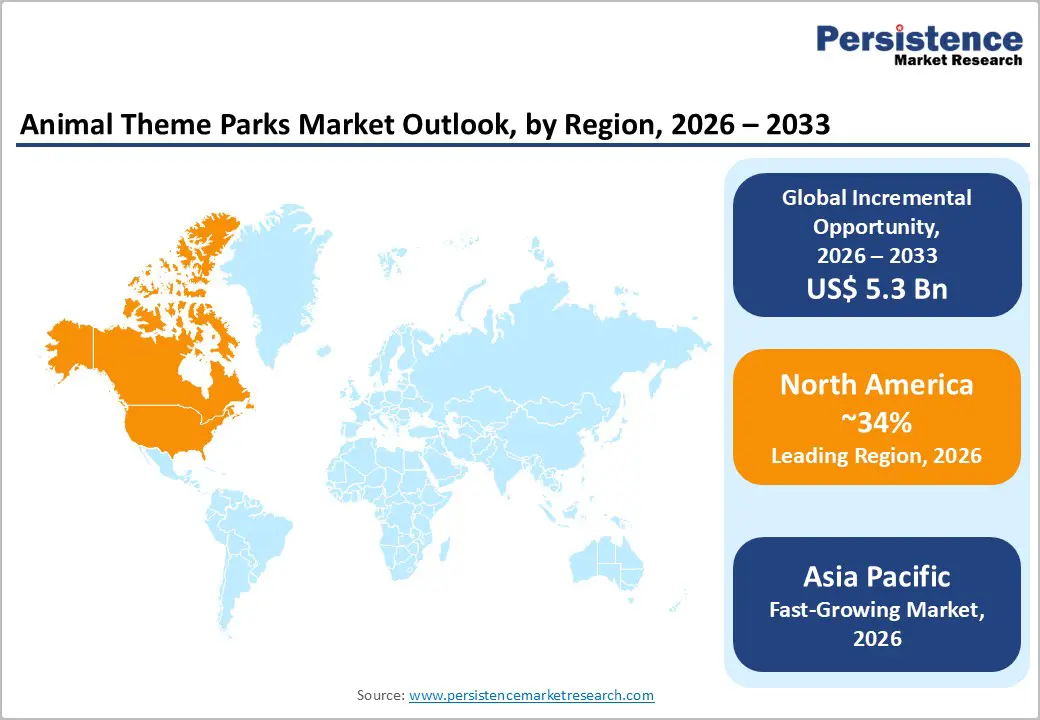
- Leading Region: North America dominates the animal theme park market, with 40% market share, supported by mature industry infrastructure, with The Walt Disney Company reporting Experiences segment operating income of US$ 12.0 billion in fiscal 2025 and AZA-accredited facilities collectively investing over US$ 150 million annually in conservation programs.
- Fastest Growing Region: Asia Pacific exhibits the highest growth trajectory driven by expanding middle-class populations and mega-resort developments, exemplified by Chimelong Tourist Resort attracting over 16 million visitors annually and Nandankanan Zoological Park recording 39.52 lakh visitors with INR 25.37 crore revenue in fiscal 2024-25.
- Dominant Segment: The Mammals attraction type commands approximately 42% market share within the Attraction Type category, driven by universal visitor appeal, charismatic megafauna exhibits, and extensive AZA Species Survival Plan breeding programs successfully reintroducing over 40 species into natural habitats.
- Fastest Growing Segment: Online Booking distribution channel represents the fastest-growing segment as operators implement digital reservation systems and dynamic pricing models, with SeaWorld Parks & Entertainment actively promoting annual pass sales, enabling early access to new attractions.
- Key Market Opportunity: Integrated resort development combining animal attractions with hospitality infrastructure presents substantial revenue diversification potential, demonstrated by Chimelong Tourist Resort's success and planned 43-hectare expansion alongside Disney Cruise Line's fleet additions incorporating wildlife-inspired theming.
| Key Insights | Details |
|---|---|
| Animal Theme Park Market Size (2026E) | US$ 94.3 Bn |
| Market Value Forecast (2033F) | US$ 137.2 Bn |
| Projected Growth CAGR (2026 - 2033) | 5.5% |
| Historical Market Growth (2020 - 2025) | 5.1% |
Market Dynamics
Drivers - Rising Emphasis on Wildlife Conservation and Breeding Programs
The animal theme park sector is experiencing significant growth, driven by an emphasis on the conservation of endangered species and scientific breeding initiatives. Accredited by the Association of Zoos and Aquariums (AZA), these institutions collectively invest over $150 million annually in global conservation efforts, a commitment that has been ongoing since 2011. This investment has successfully facilitated the reintroduction of more than 40 species, including the takhi, black-footed ferrets, and California condors.
Wildlife exhibits focusing on conservation, along with visitor-funded rewilding activities, further contribute to market expansion. These efforts align with international biodiversity initiatives led by organizations such as the World Association of Zoos and Aquariums (WAZA). The awareness and financial support generated by these institutions enhance conservation initiatives and provide vital resources for research, all while preserving genetic diversity within captive populations.
Technological Integration and Enhanced Visitor Engagement Experiences
The integration of advanced technology into visitor experiences has emerged as a pivotal growth driver for animal theme parks globally. Prominent organizations, including SeaWorld Parks & Entertainment, have made significant investments in interactive attractions inspired by marine life. In 2023, CEO Marc Swanson noted that revenue from these innovative attractions directly supports rescue and conservation initiatives.
The incorporation of AI-powered visitor experiences, immersive animal-encounter platforms, and digital engagement systems, such as virtual safaris and intelligent wildlife enclosures, has notably transformed traditional zoo operations, enhancing both educational value and entertainment. Furthermore, facilities are increasingly adopting habitat-based enclosures equipped with AI-assisted veterinary care and behavioral analysis systems. This approach not only elevates animal welfare standards but also provides unique experiences for the growing demographic of eco-conscious visitors who seek genuine wildlife interactions.
Restraints - Ethical Concerns and Animal Welfare Regulations
The increasing stringency of animal welfare regulations introduced by prominent international accreditation bodies, such as the European Association of Zoos and Aquariums and the World Association of Zoos and Aquariums, has led to a significant rise in operational costs for animal theme park operators. Rigorous standards for animal welfare and the growing ethical considerations surrounding the management of captive wildlife pose substantial challenges to market expansion.
The European Union Zoos Directive (Council Directive 1999/22/EC), alongside the EAZA Standards for the Accommodation and Care of Animals, imposes comprehensive compliance requirements that encompass animal welfare, health protocols, hygiene standards, and measures to prevent escapes. These regulations necessitate regular welfare audits and emergency-response training, and require facilities to demonstrate compliance with accommodation standards. Often, this entails costly infrastructure upgrades and the hiring of specialized staff, thereby creating financial barriers, particularly for smaller regional operators attempting to obtain licensing.
High Capital Investment and Maintenance Requirements
The absence of standardized global regulations for animal theme park operations has led to a complex regulatory environment, requiring significant capital investments in facility upgrades, veterinary services, and personnel training. The European Association of Zoos and Aquaria (EAZA) outlines stringent standards for animal welfare, accommodation, and management, impacting enclosure design, environmental enrichment, visitor protocols, and staff qualifications. Adhering to these standards entails ongoing capital expenditures that can divert resources from revenue-generating initiatives.
Animal theme parks also confront substantial capital expenditure challenges related to habitat construction, species acquisition, and specialized facility maintenance. Merlin Entertainments has faced debt management issues after significant development investments, resulting in credit rating downgrades from S&P Global and Moody's, with the latter citing concerns about maintaining a sustainable capital structure. The high costs of managing habitats, implementing ethical enclosures, and expanding integrated resort experiences impose financial pressure amid fluctuating attendance patterns and intensifying competition within the Entertainment and Amusement Market.
Opportunities - Expansion of Integrated Resort and Multi-Experience Destinations
The global focus on wildlife conservation and sustainable tourism presents significant opportunities for animal theme parks that adopt conservation-led business models. Consumer preferences are increasingly shifting toward ethically managed attractions, prompting organizations such as the Association of British Travel Agents and international tour operators to require verification of welfare compliance for their partners. Facilities with credible conservation programs, endangered species breeding initiatives, and visitor-funded rewilding projects are seeing sustained growth in attendance and pricing power.
Furthermore, comprehensive resort ecosystems that combine animal attractions with hospitality and merchandise offer significant revenue diversification. The Chimelong Tourist Resort in Guangzhou, which attracts over 16 million visitors annually, exemplifies this model. The Walt Disney Company also reports growth in its Experiences division, notably from Disney Cruise Line, which has expanded its fleet and incorporated wildlife-themed elements. This integrated approach maximizes visitor spending and encourages repeat visitation.
Digital Distribution Channels and Marketplace Integration
The expansion of online booking platforms and digital distribution channels has created significant opportunities for animal theme park operators to reach international visitors while reducing customer acquisition costs. Marketplaces like GetYourGuide, Viator, and TripAdvisor provide direct access to millions of travelers seeking curated wildlife experiences and bundled attraction packages. Online ticket sales are expected to grow faster than traditional on-site ticketing, driven by consumer preferences for planning, dynamic pricing visibility, and streamlined digital payments.
Furthermore, the adoption of mobile-first ticketing technologies, such as QR codes and digital wallets, enables parks to implement sophisticated revenue-optimization strategies, including time-slot pricing and premium-experience tiers. The wildlife tourism marketplace is projected to grow, indicating a significant shift in how consumers discover and purchase animal theme park experiences globally.
Category-wise Insights
Attraction Type Analysis
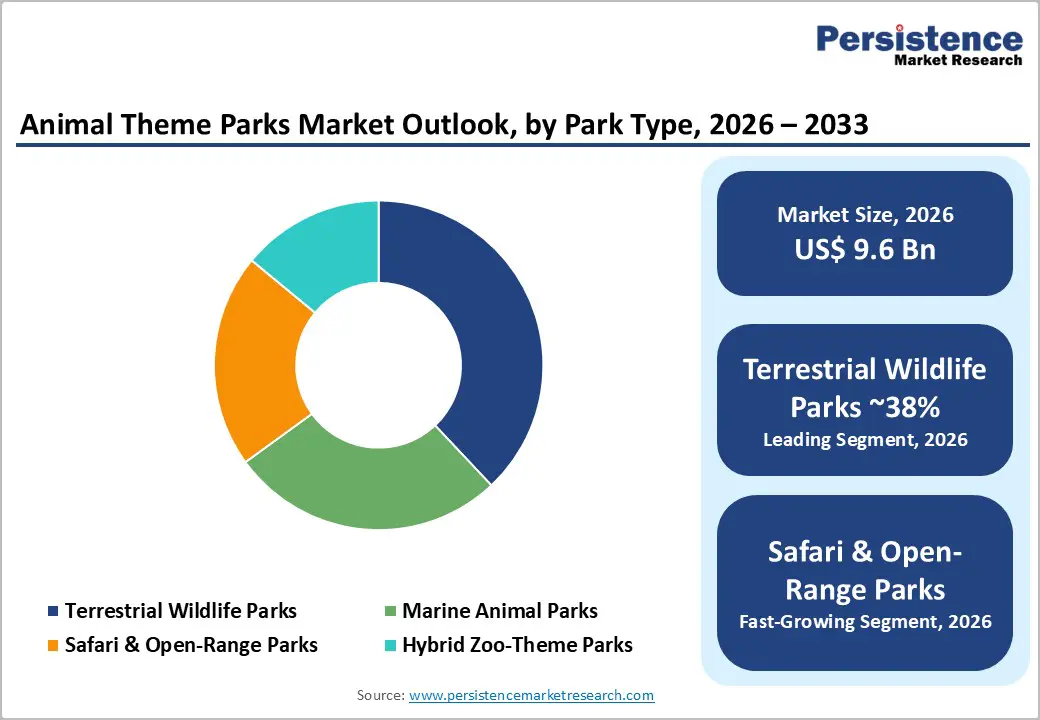
The Mammals segment accounts for approximately 42% of the market share within the Attraction Type category, thanks to its broad visitor appeal and investments in conservation. Large mammal exhibits featuring elephants, big cats, primates, and pandas foster significant visitor engagement and encourage repeat visits.
Chimelong Safari Park, with over 20,000 exotic and rare animals, offers unique self-driving safari experiences that enhance its mammal encounters. The Association of Zoos and Aquariums (AZA) Species Survival Plan emphasizes mammalian breeding and transfer programs, with over 40 species successfully reintroduced, reinforcing the institution’s credibility and visitor trust. This segment’s established infrastructure and expertise align well with global conservation priorities, facilitating funding and partnership opportunities.
Revenue Model Analysis
The ticket revenue segment constitutes approximately 51% of the total market revenue, serving as a primary monetization strategy for animal theme park operations. Entry fee structures generate a reliable baseline income, as illustrated by Nandankanan Zoological Park, which reported entry fees, parking charges, and camera rentals contributing INR16.35 crore to its total revenue of INR25.37 crore for the fiscal year 2024 - 25.
Pricing strategies within this sector are increasingly adopting tiered access models that incorporate premium experiences, such as behind-the-scenes tours, animal feeding opportunities, and VIP packages, which command higher profit margins. Furthermore, annual pass programs offered by operators like SeaWorld Parks & Entertainment enhance customer loyalty and provide assured revenue streams.
Age Group Analysis
The Children demographic segment represents a significant market share of approximately 46%. This statistic highlights the family-oriented focus and the importance of educational programming in the value propositions of animal theme parks. Facilities are designed to feature engaging exhibits, interactive experiences, and educational content specifically tailored for younger audiences. For instance, Chimelong Safari Park features animal-costumed performers for photography and hosts numerous school field trips, particularly on weekdays.
Furthermore, SeaWorld Parks & Entertainment's planned introduction of marine-life-themed rides and the "Jewels of the Sea: The Jellyfish Experience" in 2024 exemplifies a strategic development aimed at the family demographic. These attractions successfully integrate entertainment and education. This segment not only promotes multigenerational visitation patterns, in which adult caregivers accompany children, but also captures spending across various age groups. Furthermore, by establishing brand affinity during formative years, it encourages lifetime patronage and the repetition of family cycles in future visits.
Distribution Channel Analysis
The On-site distribution channel maintains market leadership with approximately 58% share, reflecting continued preference for direct walk-up purchases and spontaneous visitation decisions. Traditional ticket booth operations and on-premises sales infrastructure generate substantial revenue, particularly from local and regional visitors making unplanned trips, with facilities such as Nandankanan Zoological Park demonstrating sustained growth in direct admissions despite modern digital alternatives.
However, the Online Booking channel represents the fastest-growing segment as operators increasingly implement digital reservation systems, dynamic pricing models, and integrated e-commerce platforms. SeaWorld Parks & Entertainment actively promotes 2024 Annual Pass sales through digital channels, enabling members to experience new attractions before public opening, while online platforms facilitate advance capacity management, yield optimization, and customer data capture, thereby enhancing marketing effectiveness. The channel expansion aligns with broader Entertainment and Amusement Market digitalization trends and post-pandemic contactless transaction preferences.
Regional Insights
North America Animal Theme Park Trends
North America maintains its leadership in the market, supported by a robust industry infrastructure, key operators, and significant investments in facility enhancements and conservation. In fiscal 2025, The Walt Disney Company reported an operating income of $12.0 billion for its Experiences segment, an increase from $7.6 billion in the previous year, with notable growth in the Disney Cruise Line. SeaWorld Parks & Entertainment has invested in innovative attractions like "Penguin Trek" at SeaWorld Orlando and the "Jewels of the Sea: The Jellyfish Experience" at SeaWorld San Diego. CEO Marc Swanson emphasized that proceeds from these experiences will aid rescue and conservation efforts.
The region benefits from strong regulatory frameworks, including AZA accreditation standards that ensure animal welfare and build consumer confidence. AZA-accredited facilities, primarily in the United States, collectively invest over $150 million annually in global conservation programs, successfully reintroducing more than 40 species into their natural habitats through coordinated breeding initiatives.
Europe Animal Theme Park Trends
Europe exhibits stable growth trajectories that are bolstered by rigorous regulatory harmonization, specifically through the EU Zoos Directive (Council Directive 1999/22/EC) and the standards set forth by the European Association of Zoos and Aquaria (EAZA). These frameworks mandate high standards for animal welfare, conservation education, and public engagement. The regulatory structure of the European Amusement Parks Market necessitates that all zoo operators maintain valid licenses and adhere to comprehensive animal care protocols. These protocols encompass welfare assessments, health monitoring, nutrition standards, and escape prevention measures, thereby establishing consistent quality standards across member facilities.
Disneyland Paris welcomed 10.2 million guests at Disneyland Park, ranking 10th globally, and 5.6 million guests at Walt Disney Studios Park in 2024, as reported by the Themed Entertainment Association (TEA). However, these figures signify a 1.8% decline compared to 2023, underscoring the competitive landscape across markets in Germany, France, Spain, and the United Kingdom. The region remains committed to prioritizing conservation partnerships, educational initiatives, and sustainable operations in alignment with broader environmental objectives.
Asia Pacific Animal Theme Park Trends
The Asia Pacific region is recognized as the fastest-growing market, driven by rapid urbanization, an expanding middle class, and significant investments in integrated entertainment infrastructure. A noteworthy example is the Chimelong Tourist Resort in Guangzhou, China, which attracts over 16 million visitors annually with its diverse offerings, including the Chimelong Safari Park, home to over 20,000 exotic animals, along with Chimelong Paradise, Chimelong Water Park, and the Chimelong International Circus. With the planned construction of a new 43-hectare theme park announced in 2024, the resort continues to expand and has achieved national 5A scenic spot designation.
India's domestic tourism market is also showing considerable promise, as evidenced by Nandankanan Zoological Park, which generated INR 25.37 crore in revenues and welcomed 39.52 lakh visitors in fiscal year 2024-25. The park's "Adopt-an-Animal" program has raised INR 3.15 crore in conservation donations. In Japan, market evolution emphasizes education and technology integration, with facilities like Asahiyama Zoo, Ueno Zoo, and Fuji Safari Park investing in digital solutions to enhance visitor engagement and support global wildlife protection initiatives. Overall, favorable conditions for continued expansion exist across China, India, Japan, and ASEAN nations.
Competitive Landscape
The animal theme park market shows moderate consolidation, with multinational operators and various regional facilities contributing to a competitive landscape. Leading companies focus on expansion through resort development, fleet growth, and acquisitions, while investing in conservation and technology to stand out. Merlin Entertainments, for example, optimized its assets by selling its Discovery Centers division in September 2025 to manage debt. Trends in research and development highlight AI-driven animal health monitoring, immersive digital experiences, and eco-friendly operations. Key differentiators for market leaders include exclusive species collections, conservation partnerships, proprietary technologies, and integrated hospitality systems to enhance revenue and foster brand loyalty through membership programs.
Key Market Developments
- January 2025: SeaWorld Parks & Entertainment unveiled Spring 2025 openings, including a revolutionary Immersive Experience at SeaWorld Orlando, Jewels of the Sea: A Jellyfish Experience at SeaWorld San Diego, and Rescue Jr. hub at SeaWorld San Antonio, continuing the company's legacy of blending marine life-inspired adventure with conservation education.
- October 2024: Chimelong Tourist Resort in Guangzhou announced plans to construct a new 43-hectare world-class theme park alongside existing attractions, including Chimelong Safari Park, Chimelong Water Park, and Chimelong Paradise, building on the resort's success in attracting over 16 million visitors annually.
- June 2025: Walt Disney Imagineering achieved a major construction milestone for Tropical Americas land expansion at Disney's Animal Kingdom, with the commencement of major infrastructure installation and formalization of a multi-year development cycle.
Top Companies in the Animal Theme Park Market
- Walt Disney Company (Burbank, U.S.) operates Disney's Animal Kingdom as a flagship zoological theme park alongside integrated cruise experiences. The company reported Experiences segment operating income of US$ 12.0 billion in fiscal 2025, increased from US$ 7.6 billion in the prior year, with Disney Cruise Line demonstrating growth through fleet expansion, including Disney Treasure, Disney Adventure, and Disney Destiny vessels. The company maintains market leadership through proprietary intellectual property integration, conservation partnerships, and unparalleled destination resort infrastructure.
- SeaWorld Parks & Entertainment (Orlando, U.S.) operates marine life-focused theme parks, including SeaWorld Orlando, SeaWorld San Diego, and Busch Gardens Tampa Bay. The company invested in transformative attractions during 2024, including the "Penguin Trek" coaster and "Jewels of the Sea: The Jellyfish Experience" featuring interactive aquarium galleries with educational programming. CEO Marc Swanson emphasizes the company's commitment to conservation, with attraction proceeds directly supporting rescue operations and wildlife rehabilitation programs that differentiate the brand.
- Chimelong Group (Guangzhou, China) operates Chimelong Safari Park and integrated entertainment destinations, attracting over 16 million visitors annually. The company achieved national 5A scenic spot designation and houses more than 20,000 exotic and rare animals with innovative self-driving safari experiences. The company has successfully nurtured around 68,000 individuals of more than 500 species through conservation breeding programs, demonstrating a long-term commitment to endangered wildlife preservation while expanding infrastructure with a planned 43-hectare world-class theme park announced in 2024.
Companies Covered in Animal Theme Park Market
- The Walt Disney Company
- Merlin Entertainments
- Flamingo Land
- Village Roadshow
- Happy Hollow Park and Zoo
- Busch Gardens Tampa Bay
- Yorks Wild Kingdom
- Warrawong Sanctuary
- Chessington World of Adventures
- San Diego Zoo Wildlife Alliance
- SeaWorld Parks & Entertainment
- Everland Zoo
- Chimelong Safari Park
Frequently Asked Questions
The global Animal Theme Park Market is valued at US$ 94.3 Bn in 2026 and is projected to reach US$ 137.2 Bn by 2033, growing at a CAGR of 5.5% during the forecast period, driven by increasing experiential tourism demand and conservation program investments.
The market is primarily driven by rising emphasis on wildlife conservation and breeding programs, with AZA-accredited facilities investing over US$ 150 million annually, alongside technological integration including AI-powered visitor experiences, immersive animal encounters, and digital engagement platforms that enhance educational value and entertainment quotient.
The Mammals attraction type commands the dominant market share of approximately 42%, driven by universal visitor appeal for charismatic megafauna, extensive conservation breeding programs successfully reintroducing over 40 species into natural habitats, and established infrastructure leveraging self-driving safari experiences.
North America maintains market leadership supported by mature industry infrastructure, with The Walt Disney Company reporting Experiences segment operating income of US$ 12.0 billion in fiscal 2025 and comprehensive regulatory frameworks including AZA accreditation standards ensuring animal welfare compliance and conservation commitment.
Integrated resort development combining animal attractions with hospitality, dining, and entertainment infrastructure presents substantial revenue diversification opportunities, exemplified by Chimelong Tourist Resort attracting over 16 million visitors annually and announcing plans for an additional 43-hectare world-class theme park expansion in 2024.
Leading market participants include The Walt Disney Company, SeaWorld Parks & Entertainment, Chimelong Group, Merlin Entertainments, San Diego Zoo Wildlife Alliance, Busch Gardens Tampa Bay, Chessington World of Adventures, Flamingo Land, and Village Roadshow, among others operating globally.


