




- Baby Care & Accessories
- Baby Swim Pants Diaper Market
Baby Swim Pants Diaper Market Size, Share, and Growth Forecast, 2026 – 2033
Baby Swim Pants Diaper Market by Product Type (Reusable, Disposable), Size (Small, Medium, Large, Extra Large), Distribution Channel (Online Store, Supermarket/Hypermarket, Specialty Store, Others), and Regional Analysis for 2026-2033

Baby Swim Pants Diaper Market Share and Trends Analysis
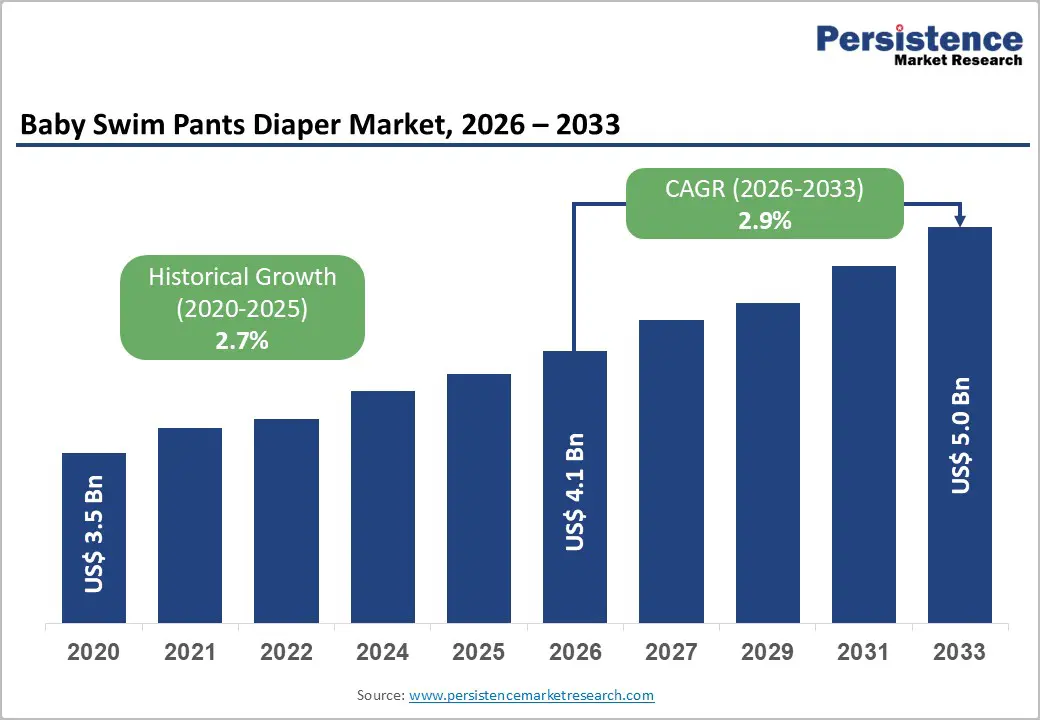
The global baby swim pants diaper market size is likely to be valued at US$ 4.1 billion in 2026, and is projected to reach US$ 5.0 billion by 2033, growing at a CAGR of 2.9% during the forecast period 2026−2033. Rising birth rates and urbanization in developing economies are increasing demand for infant care products, including swim diapers. Higher clinical awareness of hygiene, skin safety, and early-stage infection prevention is driving adoption in daycare centers, swimming schools, and private households. Technological integration in materials, such as superabsorbent polymers and hypoallergenic fabrics, enhances product effectiveness and consumer confidence. Expansion of healthcare infrastructure, including pediatric clinics and public health initiatives, supports market growth by increasing access and education for caregivers. Government health campaigns and regulatory guidelines emphasizing child safety standards are reinforcing market credibility.
Key Industry Highlights
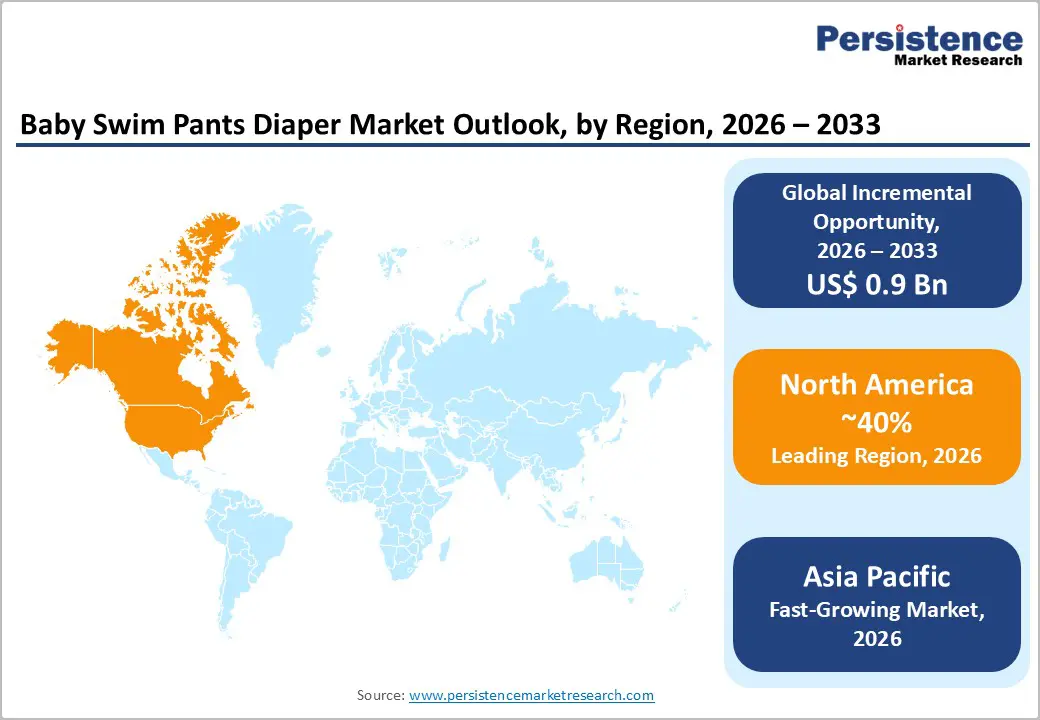
- Dominant Region: North America is projected to hold around 40% market share in 2026, driven by high spending in U.S. and Canada and amplified retail reach via Walmart and Amazon.
- Fastest-growing Regional Market: Asia Pacific is forecasted to be the fastest-growing market during 2026–2033, fueled by urbanization and rising incomes in China, India, Japan, and South Korea.
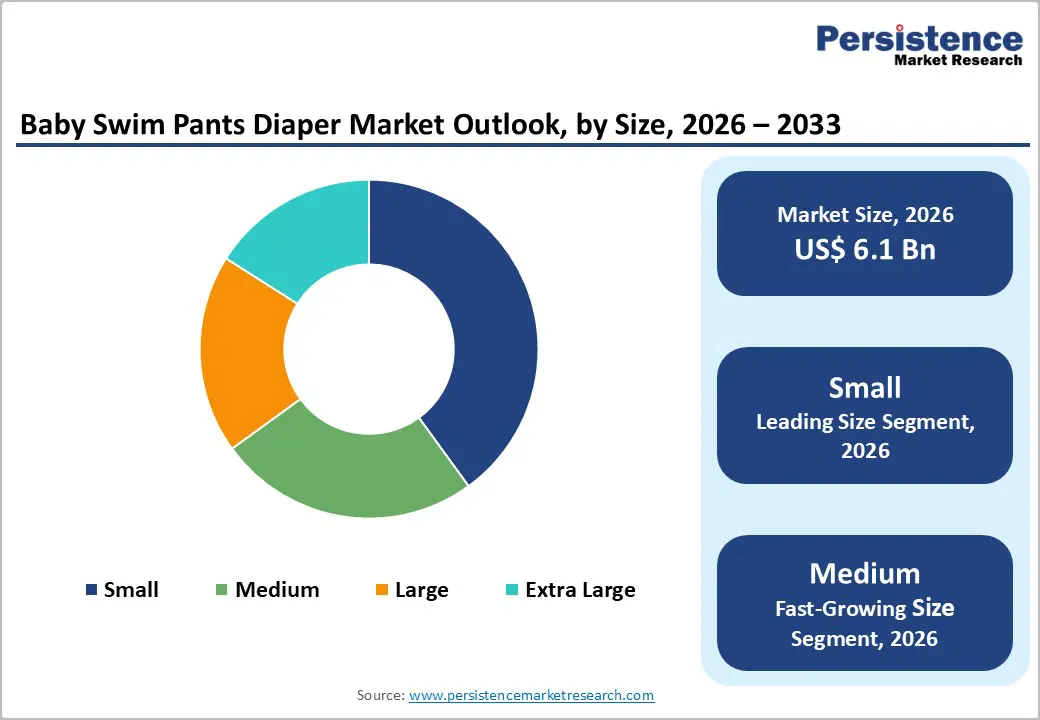
- Leading Size: Small-sized swim pants are expected to exceed 40% in terms of revenue share in 2026 due to growing fit-focused innovation.
- Fastest-growing Size: Medium-sized swim pants are projected to be the fastest-growing during 2026–2033, supported by toddler swim participation and hygiene-focused selection.
| Key Insights | Details |
|---|---|
|
Baby Swim Pants Diaper Market Size (2026E) |
US$ 4.1 Bn |
|
Market Value Forecast (2033F) |
US$ 5.0 Bn |
|
Projected Growth (CAGR 2026 to 2033) |
2.9% |
|
Historical Market Growth (CAGR 2020 to 2025) |
2.7% |
Market Factors – Growth, Barriers, and Opportunity Analysis
Increasing Emphasis on Infant Water Safety and Early Swimming Education
Heightened focus on infant water safety and structured early swimming education directly influences demand dynamics through demonstrable public health imperatives and shifting parental expectations. Leading authorities such as the Centers for Disease Control and Prevention (CDC) report that drowning remains the foremost cause of death for children ages 1–4, underscoring water environments as critical risk zones for young children. The CDC emphasizes that formal swimming lessons and water safety skills training significantly mitigate these risks by equipping children with essential competencies and indirectly raising parental vigilance during aquatic exposure. Water safety campaigns and policy measures are increasingly integrated into community health agendas, prompting swim facilities and instructional programs to advocate early familiarization with water.
Policy frameworks and educational outreach also recalibrate consumer purchasing decisions by embedding water competency goals into early childhood activity planning. Government safety messaging elevates public confidence in early aquatic engagement as a developmental asset, driving structured lesson enrolments and routine attendance at aquatic facilities. As participation grows, demand for supportive products that complement structured water activities scales up, reflecting an ecosystem where educational access and health policy intersect with product utilization.
Growth in Recreational Water Facilities and Family-Oriented Leisure
The expansion of public and commercial aquatic venues has significantly widened access to leisure experiences for families, reshaping participation patterns in water based activity settings. Government data from England in 2025 shows local authorities managed 2,727 public leisure facilities, including almost 900 swimming pools, with over 70% of schools using these facilities for statutory swimming education and 85% of young people learning to swim through public pools and centers, indicating broad adoption of aquatic infrastructure for family recreation and skill development. This scale of facility deployment enhances opportunities for infants and toddlers to be introduced to water environments, prompting parents to procure products that support safe, hygienic participation.
From an operational perspective, the prioritization of community oriented water amenities aligns with broader public health and wellbeing strategies. Governments allocate significant funding to maintain and upgrade aquatic infrastructure to sustain broad population engagement, underscoring recreational water access as a core component of active lifestyles. Family focused leisure programming, including structured learn to swim sessions and unstructured leisure swim times, enhances the value proposition of aquatic facilities, increasing visitation rates and influencing household purchase behavior for child specific aquatic gear.
High Sensitivity to Raw Material Price Volatility
Volatility in input cost structures directly affects production planning and pricing discipline in sectors relying on commodity based inputs. Materials such as fluff pulp, superabsorbent polymers and nonwoven fabrics form a substantial proportion of the cost structure, and unpredictable shifts in underlying commodity markets strain budgeting forecasts and sourcing strategies. A government reported commodity price outlook shows raw material indices are projected to decline in 2025 but remain volatile relative to long term averages, highlighting ongoing uncertainty in agricultural and industrial material costs globally. Supply disruptions, shifts in energy pricing and geopolitical tensions can trigger oscillations in feedstock costs; in turn, manufacturers face challenges in locking in long term contracts or hedging exposure effectively.
Manufacturers without integrated procurement or diversified sourcing face acute pressure as cost spikes erode margin buffers, forcing decisions on passing costs through or accepting lower returns. Price volatility in key raw materials also interacts with exchange rate movements and trade policies, adding layers of complexity to cost base management. For example, superabsorbent polymers and petroleum derived materials are priced against global energy benchmarks, making them sensitive to crude price swings and logistics bottlenecks. This heightened input cost risk not only compresses profitability but can delay capacity expansion and investment decisions, as firms allocate capital to risk mitigation instead of growth initiatives.
Intense Competition and Market Fragmentation
Competition in the industry is cut throat, with a broad dispersal of brands spanning global multinationals, regional players and numerous small niche manufacturers. Established firms compete vigorously on pricing, leading to periodic discounting and thinner margins that strain profitability for all participants, particularly smaller or newer entrants. A fragmented supplier base makes it difficult for any single company to gain dominant leverage, increasing churn in distribution channels and forcing continual marketing investment to maintain visibility among consumers confronted with a wide array of similar alternatives. This situation limits pricing power and reduces incentives for sustained differentiation, slowing the pace at which companies can recoup innovation costs.
Market structure dynamics are evident across the broader baby product sector. In the U.K., a government published market study of infant formula found limited competition between producers and retailers that constrained price reductions, indicating that where a few strong competitors hold market share, consumer choice and competitive intensity can be uneven. This reflects a broader competitive environment in baby products where brands must balance extensive portfolios against aggressive pricing tactics to retain share, eroding segment profitability.
Expansion into Emerging Economies with Rising Aquatic Recreation
Emerging markets in Asia, Latin America and parts of Africa are witnessing a rapid increase in demand for recreational water activities due to rising tourism, rising middle income consumers and government initiatives to promote outdoor sports and active lifestyles. China’s government reported that as of early 2025 more than 120 million citizens were participating in water sports and related outdoor activity, highlighting the scale of engagement in aquatic recreation in one of the largest emerging economies globally. Public investment in sports facilities, beach infrastructure and outdoor leisure venues is creating broader access to aquatic environments for families and youth, contributing to greater frequency of pool visits, beach outings and water based leisure pursuits that drive ancillary demand for related consumer products.
Recreation demand in these regions is supported by urbanization trends and rising disposable income levels that shift consumer spending toward lifestyle and leisure categories. Governments in emerging economies are increasingly incorporating sport participation targets into national health and fitness policies, aiming to enhance public wellbeing and generate employment through tourism and service sectors. Expansion of affordable aquatic centers, beach parks and adventure water activity hubs generates new user cohorts unfamiliar with traditional swim habits but eager to participate in structured and unstructured water gatherings.
Integration of Smart and Eco-Friendly Solutions
Regulatory and consumer pressures are reshaping product design, directing focus toward solutions that reduce environmental impact while improving caregiver convenience. Government initiatives on plastic waste management and circular economy standards encourage adoption of biodegradable and recyclable materials, supporting compliance and brand reputation. Sustainable material use aligns with growing expectations for responsible manufacturing and lowers environmental footprint, while digital monitoring capabilities provide real time insight on moisture levels, fit, and hygiene. These features enhance product functionality in recreational water settings, improving comfort and safety for children and operational efficiency for caregivers.
Combining eco-friendly materials with smart technology supports premium positioning and differentiation. Biodegradable fabrics and renewable polymers reduce lifecycle environmental impact, appealing to climate-conscious consumers. Embedded sensors enable timely alerts and usage tracking, simplifying hygiene management and enhancing caregiver confidence. Firms that integrate sustainability and data-driven functionality gain competitive advantage in markets where environmental responsibility and digital convenience are key purchasing drivers.
Category-wise Analysis
Product Type Insights
Reusable swim pants are anticipated to secure around 55% of the baby swim pants diaper market revenue share in 2026, reflecting widespread acceptance for cost-effectiveness and environmental benefits. Consumers increasingly value products that combine long-term durability with skin safety, ensuring comfort and minimizing irritation during extended use. Clinical endorsements reinforce confidence in frequent use, providing caregivers with assurance of compliance with pediatric health standards. Accessibility through both online and offline retail channels strengthens adoption, offering convenience and wide availability. Reusable designs now incorporate improved absorbent layers, adjustable fit options, and versatile sizing to suit multiple age groups, enhancing utility and caregiver trust. Integration of hypoallergenic fabrics ensures alignment with pediatric guidelines, influencing provider recommendations and fostering loyalty.
Disposable swim diapers are expected to be the fastest-growing segment during the 2026-2033 forecast period, propelled by convenience, portability, and single-use hygiene advantages. Caregivers increasingly rely on these products for easy management during swimming lessons, travel, and public pool visits. Clinical endorsement highlighting reduced infection risk in communal water environments further supports adoption, reinforcing safety and hygiene benefits. Accessibility through online stores and mass retailers enhances consumer reach, ensuring availability across diverse demographics. Innovations in disposable designs, including leak-proof barriers, eco-friendly materials, and improved fit, increase clinical credibility and user convenience.
Size Insights
Small-sized swim pants are poised to dominate with a forecasted market share of over 40% in 2026, powered by high demand from infants aged 0–12 months. Clinical guidance stresses precise sizing to prevent leaks and skin irritation, making correct fit a key factor in caregiver purchasing decisions. Availability through supermarkets, specialty stores, and e-commerce platforms ensures easy access, supporting consistent sales. Caregiver familiarity with standardized size ranges reinforces trust and preference, while cultural trends promoting early exposure to swimming programs encourage regular use. Product innovations such as soft, hypoallergenic fabrics and adjustable closures further enhance safety, comfort, and adoption. Awareness campaigns by pediatric associations and swimming instructors highlight benefits of properly sized swim pants, driving confidence in repeated use.
Medium-sized swim pants are estimated to be the fastest-growing segment from 2026 to 2033, fueled by increasing participation of toddlers aged 1–3 years in swimming and recreational water activities. Caregiver focus on preventive healthcare, including hygiene and infection control, guides product selection. Growth of daycare centers and early-childcare facilities offering structured aquatic programs expands institutional demand. E-commerce and online retail platforms provide convenient access, enabling busy caregivers to make timely purchases and replenish supplies efficiently. Innovations such as adjustable absorbent layers, flexible waistbands, and improved fit accommodate growing toddlers’ needs, enhancing comfort and reducing leakage. Peer influence and educational program recommendations encourage consistent use, driving awareness and adoption.
Regional Insights
North America Baby Swim Pants Diaper Market Trends
North America is projected to command 40% of the baby swim pants diaper market share in 2026, reflecting a combination of demographic, economic, and behavioral factors that favor rapid adoption of infant swimwear products. The United States and Canada lead in household income levels and caregiver spending capacity, enabling selection of premium products with enhanced safety features such as hypoallergenic fabrics, leak-proof construction, and smart monitoring capabilities. Institutional policies in daycare centers and recreational facilities, including swimming programs of the Young Men’s Christian Association (YMCA) and pediatric-endorsed swim lessons, mandate use of hygienic swim solutions, reinforcing product adoption. Advanced retail infrastructure, including Walmart and Amazon, ensures consistent access to both reusable and disposable options, reducing friction in purchase cycles.
Technological innovation and regulatory alignment also contribute to market leadership. Adoption of eco-conscious materials, including biodegradable fabrics and renewable polymers, meets growing sustainability expectations, while compliance with U.S. Consumer Product Safety Commission (CPSC) guidelines strengthens caregiver confidence in product performance. Integration of digital monitoring, including moisture sensors and fit analytics, differentiates offerings in terms of convenience, hygiene management, and data-driven reassurance for caregivers. Collaboration with institutions such as American Red Cross swimming programs and pediatric advisory bodies ensures early adoption and endorsement, reinforcing market penetration. Brand trust and high consumer literacy regarding product attributes, combined with loyalty programs from companies such as Huggies and Pampers, amplify reach and retention.
Europe Baby Swim Pants Diaper Market Trends
The market in Europe is foreseen to exhibit steady expansion during the 2026–2033 forecast period, supported by high standards in childcare, early education programs, and widespread awareness of infant health and hygiene. Countries such as Germany, France, and the United Kingdom exhibit strong consumer preference for premium swimwear products that emphasize skin safety, leak protection, and eco-conscious materials. Government regulations and compliance frameworks, including EU chemical safety standards and textile labeling directives, influence product design and material selection, encouraging adoption of hypoallergenic and biodegradable fabrics. Structured swimming programs and recreational water activities integrated into early-childcare curricula contribute to consistent demand, with caregivers prioritizing products that align with pediatric recommendations for hygiene and fit.
Innovation and lifestyle trends further drive market activity from 2026 to 2033. Integration of smart features, such as moisture detection, adjustable fit systems, and performance tracking, supports caregiver convenience and operational reliability. Sustainability initiatives, including biodegradable materials and reduced packaging, meet increasing consumer expectations for environmentally responsible products while aligning with legislative standards. Collaboration with pediatric organizations and swimming programs ensures credibility and early adoption, reinforcing product trust. High literacy regarding product functionality and safety enables informed purchasing decisions, while targeted digital marketing and brand engagement initiatives enhance awareness and retention.
Asia Pacific Baby Swim Pants Diaper Market Trends
Asia Pacific is emerging as the fastest-growing market for baby swim pants diaper between 2026 and 2033, driven by demographic expansion, rising disposable income, and increasing urbanization across China and India. High birth rates and growing awareness of infant health and hygiene standards create substantial consumer demand for infant swimwear products. Expansion of early-childcare and recreational facilities offering structured aquatic programs for infants and toddlers stimulates institutional adoption, encouraging caregivers to prioritize products that combine safety, comfort, and hygiene. Rapid growth in e-commerce platforms, alongside modern retail penetration in metropolitan and tier-2 cities, enables wide accessibility and convenient replenishment. Cultural trends supporting early participation in swimming lessons and recreational water activities further strengthen adoption, particularly among middle- and upper-income households seeking quality and technologically advanced solutions.
Technological innovation and regulatory awareness contribute significantly to market momentum from 2026 to 2033. Adoption of eco-conscious and biodegradable materials addresses environmental concerns, meeting rising consumer expectations for sustainable products while aligning with government initiatives on plastic waste reduction and product safety standards. Integration of smart features, including moisture detection and adjustable fit systems, enhances operational convenience for caregivers, differentiating products on performance and functionality. Institutional endorsement from pediatric associations and swimming program networks supports credibility, driving early adoption and repeated usage. Brand strategies emphasizing hygiene, safety, and environmental responsibility, combined with targeted digital marketing campaigns, increase consumer engagement and trust.
Competitive Landscape
The global baby swim pants diaper market structure displays moderate consolidation, with leading participants controlling nearly 60% of total share, reflecting structured competition shaped by scale, compliance capability, and innovation investment. Global manufacturers such as Procter & Gamble and Kimberly-Clark maintain strong positioning through advanced research capacity, standardized quality frameworks, and extensive distribution networks spanning retail chains and digital platforms. Regional specialists including Quanzhou Energy Babycare Co., Ltd. and Unicharm Corporation strengthen competitive intensity through localized manufacturing, pricing flexibility, and adaptation to regional regulatory standards. Brand credibility, product safety certification, and pediatric suitability validation influence purchasing decisions, reinforcing advantages for firms with established reputational capital and compliance infrastructure.
Fragmented participation persists across niche segments where smaller producers focus on specialized materials, organic textiles, or region-specific designs that appeal to targeted consumer groups. Premium eco-oriented brands such as Bambo Nature demonstrate differentiation through sustainability positioning, biodegradable inputs, and transparent sourcing practices, which attract environmentally conscious buyers. Competitive strategy across the sector centers on material science advancement, skin-friendly fabric development, and leak-prevention engineering to enhance functional reliability. Digital commerce adoption plays a critical role in expanding reach, enabling direct consumer engagement, subscription purchasing models, and data-driven marketing optimization.
Key Industry Developments
- In January 2026, Procter & Gamble launched a premium Pampers Prestige diaper featuring silk-based materials, targeting affluent consumers and driving growth in markets such as China by emphasizing comfort and luxury positioning despite declining birth rates.
- In February 2025, GreenCore Solutions Corp launched FemCare UltraThin, a tree-free feminine care line across Europe featuring antibacterial protection and high absorbency, expanding its hygiene portfolio toward swim and active lifestyle applications with retail rollout planned for Q2.
Companies Covered in Baby Swim Pants Diaper Market
- Procter & Gamble
- Kimberly-Clark
- Quanzhou Energy Babycare Co., Ltd.
- Unicharm Corporation
- Bambo Nature
- Winc Australia Pty Limited
- FINIS, Inc.
Frequently Asked Questions
The global baby swim pants diaper market is projected to reach US$ 4.1 billion in 2026.
Rising infant swimming participation, heightened caregiver focus on hygiene and safety, product innovation in leak protection and comfort, expanding retail accessibility, and growing preference for skin-friendly materials drive the market.
The market is poised to witness a CAGR of 2.9% from 2026 to 2033.
Key market opportunities include rising demand for eco-friendly materials, smart monitoring features, premium hygiene products, expansion of e-commerce distribution, and increasing participation in infant aquatic programs.
Some of the key market players include Procter & Gamble, Kimberly-Clark, Quanzhou Energy Babycare Co., Ltd., Unicharm Corporation, and Bambo Nature.


