




- Processed Food
- Protein Crisps Market
Protein Crisps Market Size, Share, Growth, and Regional Forecast, 2026 to 2033
Protein Crisps Market by Product (Pea Protein Crisps, Soy Protein Crisps, Whey Protein Crisps, Milk Protein Crisps, and Others), Application (Sports Nutrition, Weight Management, Lifestyle Nutrition, and Functional Foods) Distribution Channel (Hypermarkets & Supermarkets, Convenience Stores, Online Stores, and Specialty Health Stores), and Regional Analysis from 2026 - 2033

Protein Crisps Market Share and Trend Analysis
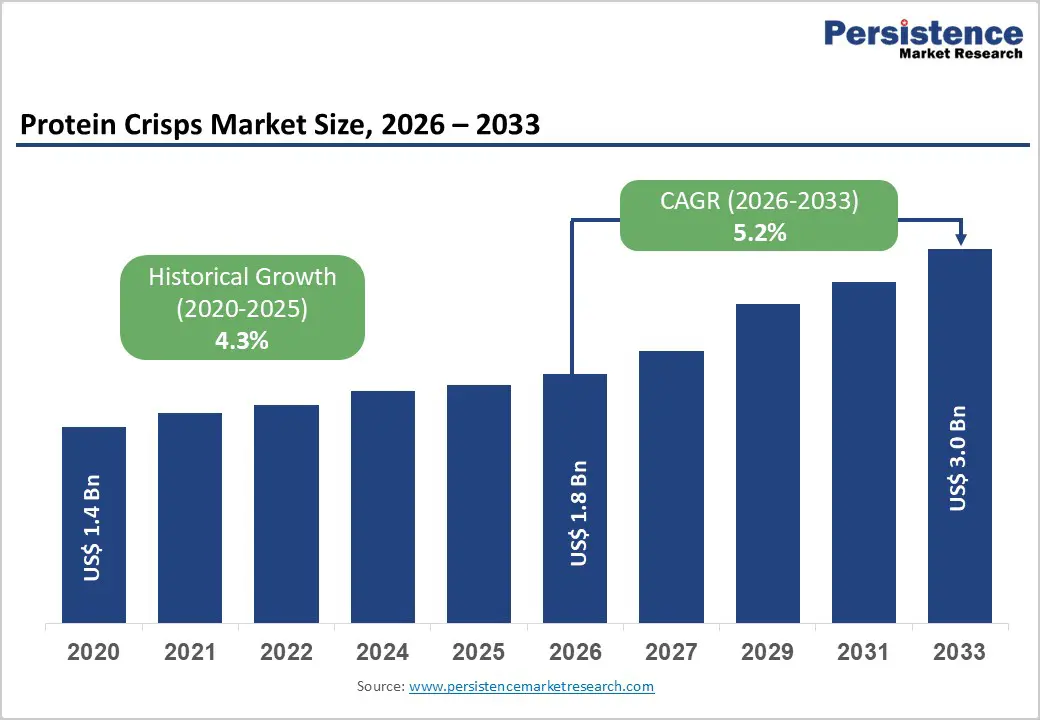
The global protein crisps market size is estimated to grow from US$ 1.8 billion in 2026 to US$ 3.0 billion by 2033. The market is projected to record a CAGR of 5.2% during the forecast period from 2026 to 2033.
Inclination toward protein-rich diets and functional snacking is significantly boosting the adoption of protein crisps across both retail shelves and on-the-go consumption channels. Consumers are actively shifting away from traditional fried snacks toward healthier alternatives that offer higher protein content, lower fat levels, and added nutritional benefits. Protein crisps, made from sources such as pea, whey, and soy, are gaining traction due to their convenience, taste variety, and compatibility with modern dietary preferences, including keto, gluten-free, and plant-based lifestyles.
Rising urbanization, busy lifestyles, and growing awareness of fitness and weight management are further accelerating demand, particularly among millennials and working professionals. Continuous innovation in flavors, textures, and fortified formulations is enhancing product appeal. Additionally, expansion of organized retail, coupled with rapid growth in e-commerce platforms, is improving accessibility. Clean-label positioning, sustainable sourcing of plant proteins, and advancements in food processing technologies are also strengthening consumer confidence and driving sustained global growth.
Key Industry Highlights:
- Leading Region: North America accounts for 46.7%, driven by strong demand for functional snacks, advanced retail infrastructure, high health awareness, and widespread adoption of protein-enriched diets.
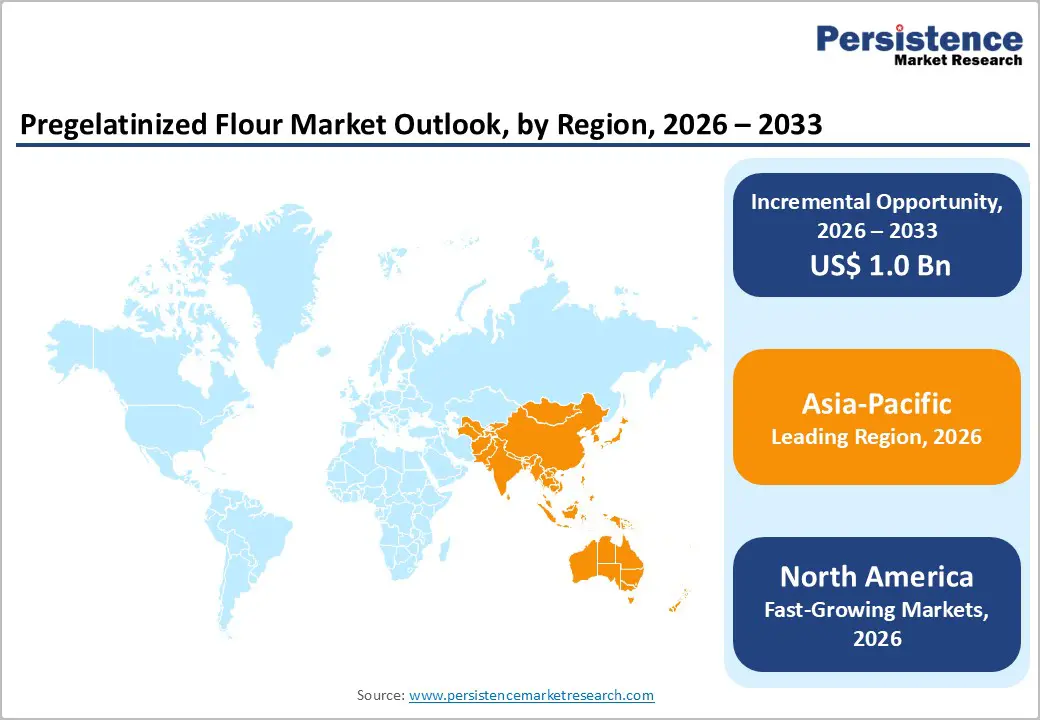
- Fastest-Growing Region: Asia Pacific is the fastest-growing market, supported by rising disposable incomes, expanding urban population, increasing fitness awareness, and rapid growth of online retail channels.
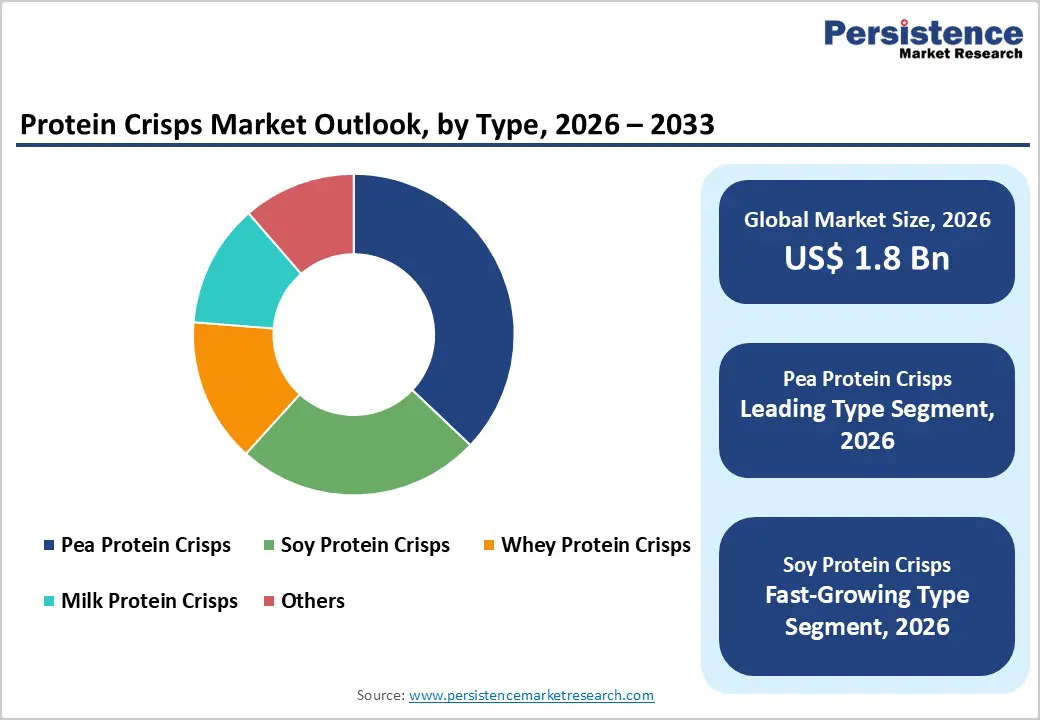
- Leading Product Segment: Pea protein crisps lead the market owing to cost efficiency, plant-based positioning, and high acceptance among vegan and health-conscious consumers.
- Fastest-Growing Product Segment: Soy protein crisps are witnessing notable growth due to increasing demand for alternative protein sources and expanding applications in functional snack formulations.
- Leading Application Segment: Sports nutrition dominates, supported by rising fitness culture, demand for convenient protein intake, and strong association with performance and recovery benefits.
- Fastest-Growing Application Segment: Weight management is expanding rapidly due to increasing obesity concerns, preference for low-calorie high-protein snacks, and growing adoption of healthier eating habits.
| Key Insights | Details |
|---|---|
| Protein Crisps Market Size (2026E) | US$ 1.8 Bn |
| Market Value Forecast (2033F) | US$ 3.0 Bn |
| Projected Growth (CAGR 2026 to 2033) | 5.2% |
| Historical Market Growth (CAGR 2020 to 2025) | 4.3% |
Market Dynamics
Driver - Rising Preference for Protein-Enriched Snacks and Evolving Dietary Habits
A primary growth driver is the accelerating shift toward protein-centric diets and healthier snacking behaviors across global consumers. Individuals are increasingly replacing traditional high-carb, low-nutrient snacks with protein-fortified alternatives that support muscle health, satiety, and weight management. Protein crisps, positioned as a convenient and functional snack, are gaining traction among fitness enthusiasts, working professionals, and lifestyle consumers seeking on-the-go nutrition. The expansion of gym culture, sports nutrition awareness, and preventive healthcare trends is further reinforcing demand.
Additionally, growing inclination toward clean-label, low-fat, and low-sugar products is encouraging manufacturers to innovate with high-quality protein sources such as pea, whey, and soy. The rise of plant-based diets has significantly boosted demand for vegan protein crisps, especially among younger demographics. Food companies are actively introducing diverse flavors, fortified variants, and hybrid snack formats to enhance appeal. Retail expansion, combined with aggressive digital marketing and influencer-driven promotion, is improving product visibility. With consumers prioritizing both health and convenience, protein crisps are increasingly becoming an integral part of daily dietary routines.
Restraints - Raw Material Volatility, Processing Costs, and Competitive Snack Alternatives
Market expansion is constrained by fluctuations in raw material availability and rising production costs associated with protein extraction and processing. Key ingredients such as whey, pea, and soy protein isolates are subject to price volatility driven by agricultural output variations, supply chain disruptions, and global trade dynamics. Additionally, manufacturing protein crisps requires specialized extrusion and drying technologies to achieve desired texture and nutritional composition, leading to higher operational costs compared to conventional snack production.
Moreover, the intense competition from a wide range of better-for-you snacks, including protein bars, chips, nuts, and functional beverages, which often offer similar nutritional benefits at competitive price points. Price sensitivity in emerging markets further limits widespread adoption, as protein crisps are typically positioned as premium products. Moreover, maintaining taste, texture, and shelf stability without compromising clean-label claims remains a technical challenge for manufacturers. Distribution complexities, including storage and shelf placement in retail environments, also influence market penetration. These factors collectively create margin pressures and may slow growth in price-conscious consumer segments.
Opportunity - Plant-Based Innovation, Functional Snacking Expansion, and Digital Retail Growth
Strong future potential is emerging from the rapid expansion of plant-based nutrition and the growing demand for multifunctional snack products. As consumers increasingly seek alternatives aligned with sustainability and health goals, plant-derived protein crisps made from pea, lentil, and other sources are gaining widespread acceptance. This shift is encouraging manufacturers to invest in new formulations that combine high protein content with added benefits such as fiber enrichment, probiotics, and micronutrient fortification.
The evolution of snacking from indulgence to functionality is opening new avenues for product positioning, particularly in weight management, meal replacement, and performance nutrition categories. Additionally, the surge in e-commerce and direct-to-consumer channels is enabling brands to reach targeted audiences more effectively, supported by personalized marketing and subscription-based models. Emerging markets present untapped opportunities due to increasing urbanization, rising disposable incomes, and growing awareness of health-focused diets. Continuous innovation in flavors, textures, and packaging formats further enhances consumer engagement. As demand for convenient, nutritious, and sustainable snacks rises, the market is well-positioned for long-term expansion.
Category-wise Analysis
By Product Insights
Pea protein crisps are projected to hold 37.1% of the global protein crisps market in 2026, maintaining a leading position. Their dominance is driven by rising adoption of plant-based diets, allergen-free positioning, and cost-efficient large-scale production. Compared to animal-based proteins, pea protein offers better compatibility with vegan, gluten-free, and clean-label trends, making it highly attractive to modern consumers. Additionally, manufacturers favor pea protein due to its functional properties, including texture enhancement and high protein concentration, which are critical in crisp formulation. Expanding product portfolios across baked snacks, bars, and ready-to-eat formats further strengthens demand. Increasing penetration across retail shelves and e-commerce platforms, combined with continuous innovation in flavors and formulations, continues to reinforce the segment’s leadership globally.
By Application Insights
The sports nutrition segment is anticipated to account for 53.0% of the market in 2026, positioning it as the largest application area. Growth is primarily supported by increasing fitness awareness, gym culture expansion, and rising consumption of protein-rich snacks among athletes and active consumers. Protein crisps are widely used as convenient post-workout snacks due to their portability, satiety benefits, and balanced macronutrient profile. Additionally, the segment benefits from strong brand positioning around performance, muscle recovery, and energy optimization. Product innovation, including high-protein, low-carb, and fortified variants, continues to attract a broad consumer base. The integration of protein crisps into daily nutrition routines beyond professional athletes, particularly among lifestyle users, further contributes to sustained demand across global markets.
By Distribution Channel Insights
Hypermarkets & supermarkets are expected to capture 41.5% of total market share in 2026, remaining the dominant distribution channel. Their leadership is driven by extensive shelf space, strong brand visibility, and the ability to offer a wide variety of protein snack options under one roof. Consumers prefer these outlets for convenience, product comparison, and immediate availability. Additionally, organized retail chains play a crucial role in promoting new product launches, private-label offerings, and promotional campaigns, significantly influencing purchase decisions. The segment also benefits from rising urbanization and expanding retail infrastructure, particularly in developing economies. While online channels are growing rapidly, physical retail continues to dominate due to impulse buying behavior and trust associated with established store formats.
Regional Insights
North America Protein Crisps Market Trends
North America is projected to account for 46.7% of the global protein crisps market in 2026, establishing itself as the leading regional market, with the United States at the forefront of demand generation. The region benefits from a well-established health and wellness ecosystem, where consumers actively seek convenient, protein-rich snack alternatives to support active lifestyles. High awareness regarding nutritional labeling, macronutrient intake, and functional foods significantly influences purchasing behavior. Protein crisps are widely integrated into daily diets, particularly among fitness enthusiasts, working professionals, and on-the-go consumers.
Retail infrastructure in North America is highly advanced, with strong penetration of hypermarkets, specialty health stores, and online platforms ensuring widespread product availability. Additionally, the presence of leading snack manufacturers and continuous product innovation such as keto-friendly, low-carb, and plant-based variants—drives category expansion. The region also witnesses strong demand for clean-label and non-GMO products, prompting brands to focus on ingredient transparency. Marketing strategies emphasizing protein content, taste, and convenience further enhance consumer engagement, reinforcing North America’s dominant position in both value and volume terms.
Europe Protein Crisps Market Trends
Europe’s protein crisps market is expected to demonstrate steady growth in 2026, supported by increasing consumer inclination toward healthier snacking alternatives and sustainable food choices. Countries such as Germany, the United Kingdom, France, Italy, Spain, and the Netherlands act as key demand centers, backed by mature retail networks and strong awareness of nutritional products. Consumers across the region are highly attentive to ingredient sourcing, favoring products that align with clean-label, organic, and environmentally responsible standards.
The market is further supported by the growing popularity of plant-based diets and flexitarian lifestyles, which drive demand for alternative protein sources such as pea and soy. Protein crisps are increasingly positioned as better-for-you snacks, replacing traditional high-fat, low-nutrient options. Supermarkets and specialty stores continue to expand their healthy snack portfolios, including private-label protein crisps offerings. Additionally, advancements in packaging and shelf-life enhancement technologies ensure product quality and convenience. Regulatory emphasis on food labeling and health claims also shapes product development strategies, encouraging innovation and differentiation within the European market.
Asia Pacific Protein Crisps Market Trends
The Asia Pacific protein crisps market is projected to grow at a CAGR of approximately 7.0% between 2026 and 2033, making it the fastest-growing regional segment globally. Growth is driven by rapid urbanization, rising disposable incomes, and increasing awareness of health and nutrition among expanding middle-class populations. Countries such as China, India, Japan, South Korea, and Australia are emerging as key markets, supported by evolving dietary habits and growing demand for convenient snack options.
The region is witnessing a significant shift from traditional snacks to functional and protein-enriched alternatives, particularly among younger consumers and urban professionals. Expansion of modern retail formats, including supermarkets and convenience stores, alongside the rapid rise of e-commerce platforms, is enhancing product accessibility across both urban and semi-urban areas. Local and international brands are actively introducing region-specific flavors and affordable product variants to cater to diverse consumer preferences. Additionally, increasing investments in food processing and innovation, coupled with government initiatives promoting nutrition awareness, are accelerating market growth, positioning Asia Pacific as a critical future growth engine.
Competitive Landscape
The global protein crisps market is highly competitive, with strong participation from General Mills, Inc., WK Kellogg Co., PepsiCo, Inc., Post Holdings, Inc., and Quest Nutrition & WorldPantry.com LLC. These companies leverage strong ingredient sourcing, advanced processing technologies, and partnerships with retail and e-commerce platforms while expanding high-protein, functional snack portfolios. Rising health consciousness, demand for convenient nutrition, and plant-based trends are driving investments in product innovation, clean-label formulations, flavor diversification, private-label expansion, and digital distribution channels across global markets.
Key Industry Developments:
- In June 2025, Blue Tribe Foods launched a new product line under its KLAW brand, aimed at India’s expanding functional and health-focused snacking segment. The KLAW Supergrain Protein Puffs have been rolled out across major metropolitan markets, including Delhi, Mumbai, and Bengaluru.
- In January 2025, the global sweet-packaged food company Ferrero Group announced an agreement to acquire Power Crunch from Bio-Nutritional Research Group, Inc., Established in 1996, Power Crunch has experienced strong recent growth, supported by its portfolio of protein-based snacks, including widely recognized wafer bars and its newly introduced high-protein crisps launched in 2024.
Companies Covered in Protein Crisps Market
- General Mills, Inc.
- WK Kellogg Co.
- PepsiCo, Inc.
- Post Holdings, Inc.
- Quest Nutrition & WorldPantry.com LLC
- ProtiDiet
- Power Crunch
- Premier Nutrition Company, LLC
- Myprotein
- Nestlé S.A.
- The Simply Good Foods Company
- Glanbia plc.
- 1st Phorm
- Grenade (UK) Limited
- Beyond Meat, Inc.
- Others
Frequently Asked Questions
The global protein crisps market is projected to be valued at US$ 1.8 Bn in 2026.
Rising health & fitness awareness, increasing demand for high-protein diets, and shift toward convenient, nutritious snacking are driving the protein crisps market.
The global protein crisps market is poised to witness a CAGR of 5.2% between 2026 and 2033.
Growing demand for plant-based protein, clean-label products, and innovative functional snack formats presents key opportunities in the protein crisps market.
General Mills, Inc., WK Kellogg Co., PepsiCo, Inc., Post Holdings, Inc., and Quest Nutrition & WorldPantry.com LLC. are some of the key players in the protein crisps market.


