

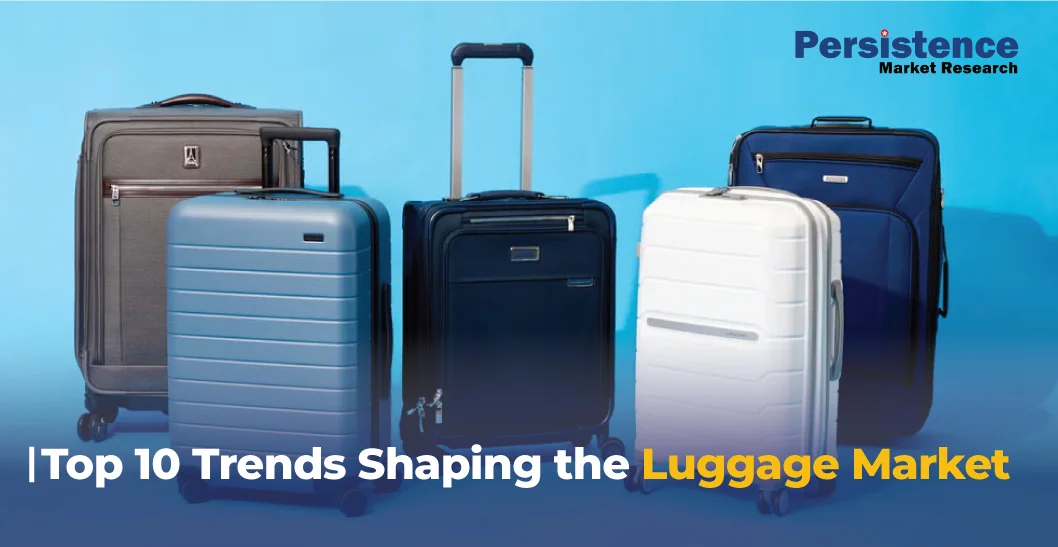
The following ten trends highlight how the industry is changing and what defines the luggage of today.
1. Lightweight Yet Durable Materials
Travelers increasingly seek luggage that is easy to carry without compromising on strength. Advances in materials such as polycarbonate blends, reinforced fabrics, and layered composites have made it possible to create cases that are both strong and light. Leading manufacturers are using engineered designs that resist impact and retain shape while keeping overall weight low, improving both mobility and convenience.
2. Smart Features and Connectivity
Technology is becoming an integral part of luggage design. Smart suitcases now include features such as built-in chargers, location tracking, and proximity alerts through connected apps. Some models also have integrated locks that can be monitored or opened via smartphones. These additions provide greater comfort and security, addressing one of the most common concerns among travelers: lost or misplaced baggage.
3. Adaptable Interiors
The growing diversity of travel needs has inspired modular luggage interiors. Adjustable compartments, removable dividers, and multi-purpose pouches allow travelers to organize items according to their journey. This flexibility appeals to both business and leisure travelers, reducing the need for multiple bags and helping users maintain order during longer trips.
4. Sustainable and Recycled Materials
Sustainability has become a defining theme in the luggage market. Many brands are introducing collections made from recycled plastics, regenerated nylon, and eco-friendly textiles. Some also promote repair programs or offer trade-in schemes to extend product lifespans. Beyond material choices, companies are paying attention to energy-efficient manufacturing and minimal packaging, aligning with the growing preference for responsible consumption.
5. Growth of Direct-To-Consumer Brands
Digital-first luggage brands have gained significant traction by offering simple, well-designed products through online channels. This approach allows for transparent pricing and closer engagement with customers. Traditional brands are also evolving, combining physical retail with digital platforms to provide a seamless buying experience. The result is a more dynamic marketplace that gives travelers greater choice and convenience.
6. Improved Wheel and Handle Systems
Smooth movement has become a key quality marker. Modern spinner wheels use softer compounds and precision bearings to glide quietly and handle uneven surfaces. Telescopic handles are now ergonomically shaped to reduce strain and improve maneuverability. These functional upgrades, though subtle, make travel less tiring and contribute to product longevity.
7. Enhanced Security and Privacy
Safety remains an essential factor in luggage design. Newer models feature lockable zippers, hidden compartments, and RFID-protected pockets that safeguard passports and cards from electronic theft. Discreet styling and tamper-resistant closures offer travelers added confidence, especially in crowded urban environments and transit hubs.
8. Personalization and Aesthetic Appeal
Luggage has evolved into an expression of personal style. Travelers now look for distinctive colors, textures, and finishes that stand out on the carousel. Custom engraving, patches, and limited-edition collaborations have made personalization more accessible. This trend reflects how luggage has moved beyond function to become a part of self-identity and travel culture.
9. Compact and Versatile Designs
The increase in short-distance and multi-modal travel has led to a preference for versatile luggage. Convertible designs that shift between backpack, duffel, and roller forms are gaining attention. Softside materials and collapsible structures make storage easier when the bag is not in use. These designs cater to the modern traveler who values mobility and practicality.
10. Repairability and Long-Term Use
There is a renewed focus on products that last. Repair-friendly construction, replaceable components, and extended warranties help reduce waste while building brand trust. Many travelers now prefer investing in a durable piece that can be maintained over time rather than replaced frequently. This approach blends economic sense with environmental awareness.
Conclusion
The luggage market is reflecting the way people live and travel today, connected, conscious, and mobile. Innovations in material science, sustainability, and design have redefined what travelers expect from their bags. Modern luggage is no longer just a tool for carrying belongings; it has become a statement of comfort, reliability, and personal choice. As travel continues to evolve, so too will the balance between technology, craftsmanship, and sustainability that defines the next generation of luggage.


