

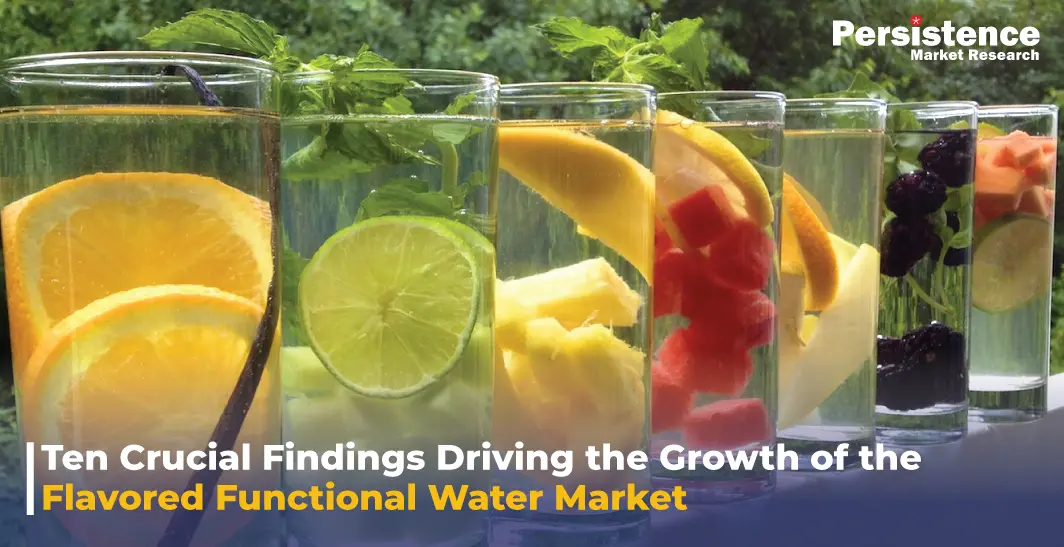
Here are 10 compelling insights and opportunities reshaping this transformative market.
1. The Shift toward Functional Beverages
Beverage choices are being redefined by millennials and Gen Z, who want products that actively promote health in addition to being refreshing. By adding vitamins, electrolytes, antioxidants, botanicals, and even adaptogens to water, flavored functional waters satisfy this need. Immunity, vitality, digestion, and stress reduction are among the holistic wellness objectives that these components aim to achieve. The shift from passive hydration to intentional drinking is shown in this progression. For example, brands like Vitaminwater (Coca-Cola) and hint water have shifted consumer expectations from sugary drinks to functional alternatives.
2. Growing Interest in Transparent and Clean-Label Ingredients
Artificial colors, sweeteners, and unidentifiable ingredients are causing consumers to become more cautious. As a result, companies are releasing goods with natural flavors, clean-label formulas, non-GMO components, and open sourcing procedures. Nowadays, functional water products frequently prominently display the origins and advantages of their ingredients on their packaging, demonstrating how transparency affects consumer choices.
3. Immune-Stimulating Functional Waters Surged After COVID-19
Consumers prioritized immunological health as a result of the COVID-19 pandemic, which caused global health consciousness to soar. Growth was enhanced in flavored functional fluids with vitamin C, zinc, botanical extracts (such as elderberry or echinacea), and other ingredients that boost immunity. This shift in behavior toward preventative health continued to drive demand long after the immediate crisis subsided. For example, immunity-focused waters with citrus and elderberry have become a staple in retail shelves from grocery stores to online marketplaces.
4. Active Lives and Electrolyte-Powered Hydration
Functional water compositions that promote hydration and performance are closely associated with fitness and wellness trends. Athletes, gym-goers, and regular consumers looking for more intelligent hydration tactics may find electrolyte-enhanced waters appealing as they help replenish lost minerals during workouts, hot weather, or long days on the go. For example, adoption among younger, health-conscious audiences is being driven by this trend, which is especially strong in areas with active, outdoor lifestyles.
5. Emerging Wellness Stars: Botanical and Adaptogenic Waters
Trends from alternative medicine and herbalism have permeated today's functional water scene. Flavored water formulations are starting to include ingredients such ashwagandha, ginger, turmeric, ginseng, and green tea extracts. These ancient botanicals are marketed for stress relief, energy support, and antioxidant benefits, appealing to consumers seeking natural solutions in an increasingly stressful world. The market is full with innovation because of this combination of traditional knowledge and contemporary hydration science.
6. Consumer Preference Is Driven by Sugar Reduction - No Taste Trade-Off
Health-conscious consumers who want to avoid sugar without sacrificing flavor are drawn to flavored functional fluids. Demand for low-calorie, sugar-free beverages with a strong, refreshing flavor is higher than ever due to increased knowledge of the connection between sugar and metabolic disorders and obesity. Stevia, monk fruit, and erythritol are examples of natural sweeteners that assist provide crisp flavor without calories, giving them a significant advantage over conventional sodas and juices.
7. Customized Hydration Experiences Are Changing the Landscape
Functional waters are a part of the growing trend of personalized nutrition and wellbeing. Digital wellness applications, e-commerce sites, and subscription boxes now provide personalized functional water options based on personal health objectives, such as energy, detoxification, gut health, or sleep support. Functional water is elevated from a product category to a personal wellness solution by this customized approach. For instance, several brands now let customers customize flavored hydration bases with ingredient enhancements like collagen, B vitamins, or nootropics.
8. Sustainability and Packaging Are Important Distinguishers
Sustainable packaging has evolved from a perk to a requirement as consumers become more conscious of environmental effect. Refill-station partnerships, recycled content bottles, and biodegradable labeling are examples of how functional water brands are innovating. Brands that emphasize sustainability without compromising product quality capture attention from eco-conscious buyers who want hydration with low environmental cost.
9. Retail Channels Are Changing: From Shelves to Subscriptions
Distribution strategies in this market are growing more dynamic. Online channels, particularly subscription services and direct-to-consumer platforms, are growing rapidly, but traditional supermarket and convenience store presence is still crucial. While apps and digital reward programs promote repeat engagement, e-commerce allows for flavor testing and recurring purchases. For instance, a lot of functional water companies now provide monthly flavored packs with customized wellness advantages that are delivered right to a customer's house.
10. Functional Waters That Improve Mood and Focus Are Drawing Interest
In order to promote relaxation, concentration, and mental clarity, flavored functional waters are progressively adding components like magnesium, L-theanine, and B vitamins. These formulations are pitching hydration as a straightforward, daily cognitive support solution in light of the growing awareness of mental health among professionals and students.
Conclusion
The market for flavored functional water is developing into a wellness-focused beverage category, going beyond simple hydration. Functional waters are becoming a regular lifestyle option due to the rising desire for clean ingredients, specific health advantages, and environmentally friendly packaging. Flavored functional water is expected to continue to play a significant role in the future of health-conscious beverages as innovation and personalization continue to alter the market.


