

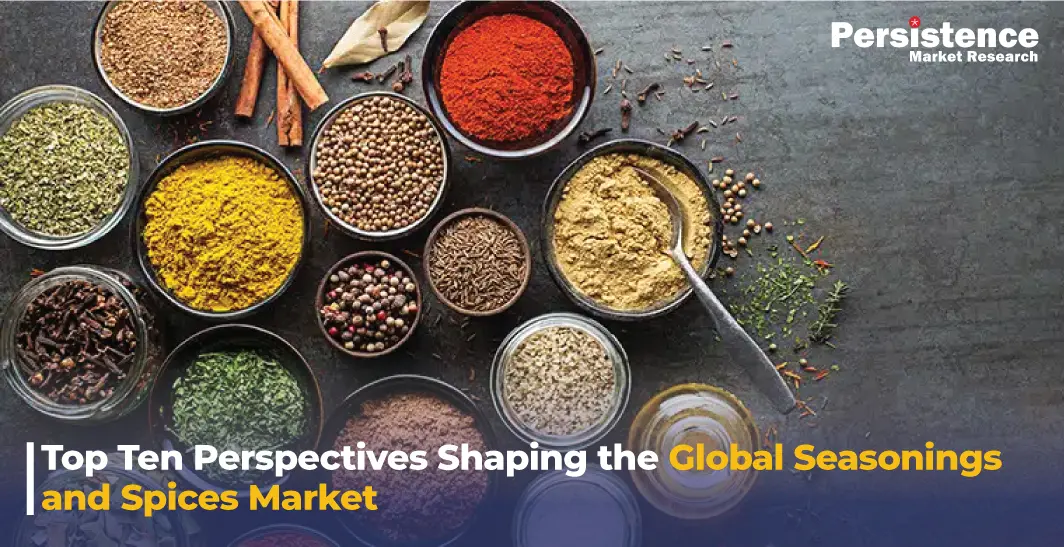
The following ten perspectives highlight the key forces shaping the development of the global seasonings and spices market.
1. Health and Wellness as a Key Demand Driver
Seasonings and spices are increasingly recognized for their functional properties beyond taste enhancement. Ingredients such as turmeric, cinnamon, ginger, and garlic are associated with benefits related to inflammation management, digestion, and metabolic health. This growing awareness has supported demand for spice blends positioned around specific wellness attributes, aligning with broader consumer interest in foods that contribute to overall well-being.
2. Mainstream Adoption of Global and Exotic Flavor Profiles
Consumers are demonstrating greater openness to international cuisines, driving the incorporation of global spice profiles into everyday cooking. Seasonings traditionally associated with Asian, Middle Eastern, African, and Latin American cuisines are now widely available in mainstream retail outlets. Products such as harissa, zaatar, berbere, gochujang, and ras el hanout illustrate how global flavors have transitioned from niche offerings to common pantry staples.
3. Expansion of Artisanal and Premium Spice Segments
Alongside staple spices, premium and artisanal blends are gaining prominence. These products are often single-origin, small-batch, or curated by culinary professionals, offering distinct flavor complexity and authenticity. The emphasis on provenance, craftsmanship, and cultural heritage has supported higher price positioning and reflects broader trends observed across the premium food and beverage sector.
4. Growing Interest in Customization and Mix-Your-Own Formats
Customization has emerged as a notable trend within the seasonings and spices market. Mix-your-own spice kits tailored to specific cuisines, dietary preferences, or flavor intensities allow consumers to engage more actively in meal preparation. This approach aligns with increasing interest in personalized culinary experiences and hands-on cooking.
5. Digital Commerce Reshaping Distribution and Engagement
E commerce has transformed how seasonings and spices are discovered and purchased. Online platforms support direct-to-consumer models, subscription services, curated bundles, and digital content linked to recipes and cooking inspiration. The integration of social media, influencer marketing, and data-driven recommendations has further strengthened consumer engagement across digital channels.
6. Emphasis on Sustainable and Traceable Sourcing
Sustainability and transparency have become important considerations in spice sourcing. Consumers increasingly seek products that reflect responsible agricultural practices, ethical labor standards, and clear origin traceability. Certifications, farm-level sourcing details, and origin labeling contribute to perceived quality and trust, reinforcing the value proposition of responsibly sourced spices.
7. Strengthening Collaboration with Farmers and Cooperatives
Supply chain structures within the spices market are evolving toward closer collaboration with smallholder farmers and cooperatives. These partnerships support improved quality control, agricultural practices, and supply consistency. Enhanced visibility into sourcing communities also contributes to stronger supply chain resilience and supports broader sustainability objectives.
8. Functional Packaging Enhancing Freshness and Convenience
Packaging innovation plays a critical role in preserving aroma, flavor, and shelf life. Resealable containers, grinder-integrated jars, and protective packaging formats such as nitrogen flushing are increasingly adopted to maintain product quality. At the same time, recyclable and eco-friendly packaging solutions are gaining traction in response to environmental considerations.
9. Regulatory Standards Influencing Market Access
Food safety regulations and quality standards significantly influence global trade in seasonings and spices. Requirements related to contamination control, adulteration prevention, labeling accuracy, and residue limits affect both domestic and export markets. Compliance with international standards supports product credibility and facilitates access to regulated markets.
10. Role of Culinary Content and Consumer Education
Culinary content has become an important driver of consumer engagement within the spices category. Digital recipes, cooking tutorials, chef collaborations, and social media storytelling educate consumers on usage, flavor pairing, and cultural context. This content-driven approach elevates spices from basic ingredients to culturally meaningful and experiential products.
Conclusion
The global seasonings and spices market is evolving beyond traditional flavor enhancement, shaped by health awareness, sustainability priorities, digital innovation, and growing culinary curiosity. Increased interest in premium offerings, ethical sourcing, and global cuisines continues to influence consumption patterns. As consumers seek authenticity, quality, and functional value in everyday cooking, the market is positioned for sustained and diversified growth.


