

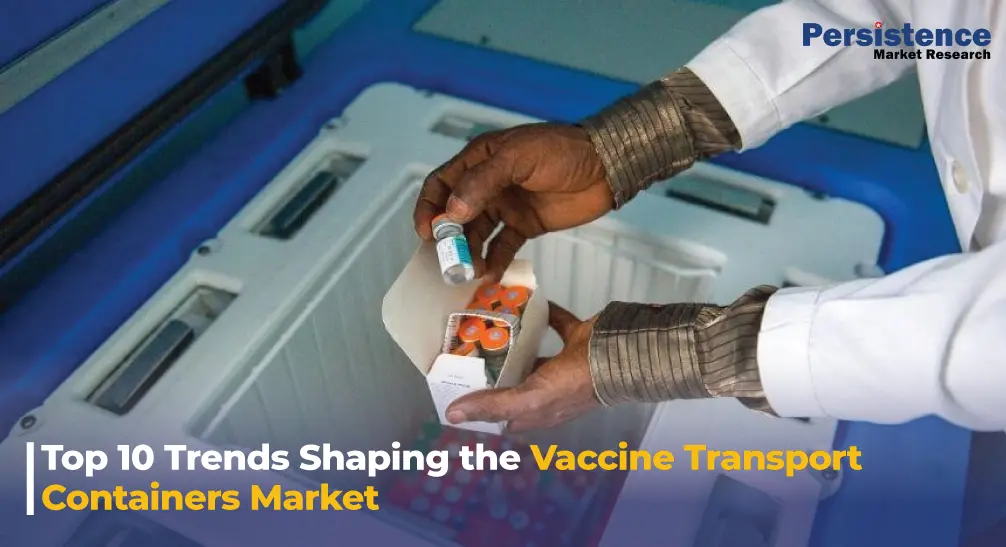
These containers range from insulated boxes and cold boxes to active refrigerated units and dry ice-based systems. Their role is pivotal in both routine immunization programs and emergency response campaigns, especially in remote or resource-limited areas. The market is evolving rapidly, shaped by technological innovation, regulatory oversight, and increasing global vaccination initiatives.
1. Rising Global Vaccination Programs
Global vaccination efforts, especially in response to infectious disease outbreaks, are driving demand for reliable transport containers. Initiatives like COVID-19 mass immunization campaigns and routine immunization programs in developing countries have expanded the need for temperature-controlled logistics solutions. Increased funding from governments and international organizations for vaccine delivery infrastructure has also amplified the adoption of high-performance containers that ensure vaccines reach their destinations safely, even in challenging environments.
2. Technological Advancements in Cold Chain Equipment
Innovations in insulation materials, active cooling technologies, and real-time monitoring systems are transforming the design of vaccine transport containers. Advanced insulation materials enhance thermal retention, reducing dependence on ice packs or electricity. Meanwhile, smart containers equipped with IoT sensors allow real-time temperature monitoring, location tracking, and predictive alerts for potential deviations. These technological improvements ensure vaccine potency and enable operators to respond quickly to cold chain breaches.
3. Ultra-Low Temperature (ULT) Storage Demand
The introduction of vaccines requiring ultra-low temperatures (as low as -70°C) has highlighted gaps in traditional cold chain infrastructure. Transport containers capable of maintaining such extreme conditions have become essential, particularly for mRNA vaccines. This trend has spurred the development of advanced dry ice-based containers and active refrigeration systems that can sustain ULT conditions for extended periods, supporting distribution in both urban and remote locations.
4. Regulatory Compliance and Safety Standards
Stringent regulatory requirements govern the transport of vaccines to ensure safety and efficacy. Containers must comply with WHO guidelines, Good Distribution Practices (GDP), and national regulatory standards. Compliance drives innovation in container design, packaging, and temperature control. Manufacturers are increasingly focused on certifications, quality assurance, and testing to meet these rigorous standards, creating a competitive edge in the market.
5. Sustainability and Eco-Friendly Solutions
Environmental considerations are influencing the development of vaccine transport containers. Traditional dry ice and single-use insulation methods generate waste and carbon emissions. Manufacturers are now exploring eco-friendly alternatives, including reusable containers, biodegradable insulation materials, and energy-efficient active cooling systems. Sustainability initiatives are not only reducing environmental impact but also supporting long-term cost efficiencies in vaccine logistics.
6. Expansion of Last-Mile Delivery Solutions
Last-mile delivery the final step in vaccine distribution—remains a critical challenge, particularly in rural or hard-to-reach areas. Lightweight, portable, and durable transport containers are essential for ensuring temperature stability during transit. The trend toward modular, adaptable containers that can be used in diverse transportation modes (motorbikes, drones, or small vehicles) is gaining traction, enabling broader vaccine coverage in underserved regions.
7. Integration with Digital Monitoring Systems
Digitalization is becoming a key differentiator in vaccine transport logistics. Containers equipped with sensors, GPS, and cloud-based platforms allow continuous temperature tracking and route optimization. Data analytics can predict potential cold chain failures and suggest corrective actions, enhancing operational efficiency and accountability. This integration is particularly valuable for large-scale vaccination campaigns where monitoring thousands of containers simultaneously is critical.
8. Growth in Public-Private Partnerships (PPPs)
Collaboration between governments, NGOs, and private logistics providers is facilitating investment in advanced vaccine transport infrastructure. These partnerships enhance distribution efficiency, especially in low-resource settings, by sharing technical expertise, technology, and financial resources. PPPs have accelerated the deployment of specialized containers, training of personnel, and expansion of cold chain networks globally.
9. Rising Focus on Emergency Preparedness
Health crises, such as pandemics, highlight the need for rapid and reliable vaccine distribution. Governments and health organizations are investing in mobile and deployable container solutions to respond to emergency vaccination campaigns. High-capacity, robust containers with extended cold retention are critical for maintaining vaccine efficacy during sudden spikes in demand or natural disasters.
10. Emergence of Customizable and Modular Container Designs
Flexibility in container design is increasingly valued in the market. Modular containers can be adapted for different vaccine types, storage durations, and transport conditions. Customizable compartments, interchangeable cooling modules, and stackable configurations allow organizations to optimize logistics efficiency while reducing operational costs. These designs are gaining preference in both routine immunization programs and emergency response settings.
Conclusion
The vaccine transport containers market is evolving rapidly under the influence of multiple trends, including technological innovation, regulatory compliance, sustainability initiatives, and the growing demand for ultra-low temperature storage. Global vaccination campaigns, digital monitoring, last-mile delivery improvements, and flexible container designs are shaping the future of vaccine logistics, ensuring safe, efficient, and widespread vaccine distribution. Stakeholders in the vaccine transport container industry must remain informed of these trends to drive innovation, adapt to evolving requirements, and maintain competitive advantage. As global health priorities continue to shift, the role of vaccine transport containers in safeguarding public health will remain critical.


