




- Nutraceuticals & Functional Foods
- Piperine Market
Piperine Market Size, Share, and Growth Forecast, 2026 - 2033
Piperine Market by Product Type (Natural Piperine, Synthetic Piperine), Application (Pharmaceuticals, Food & Beverages, Others), Distribution Channel (Supermarkets/Hypermarkets, Online Stores, Specialty Stores, Others), and Regional Analysis for 2026 – 2033

Piperine Market Size and Trends Analysis
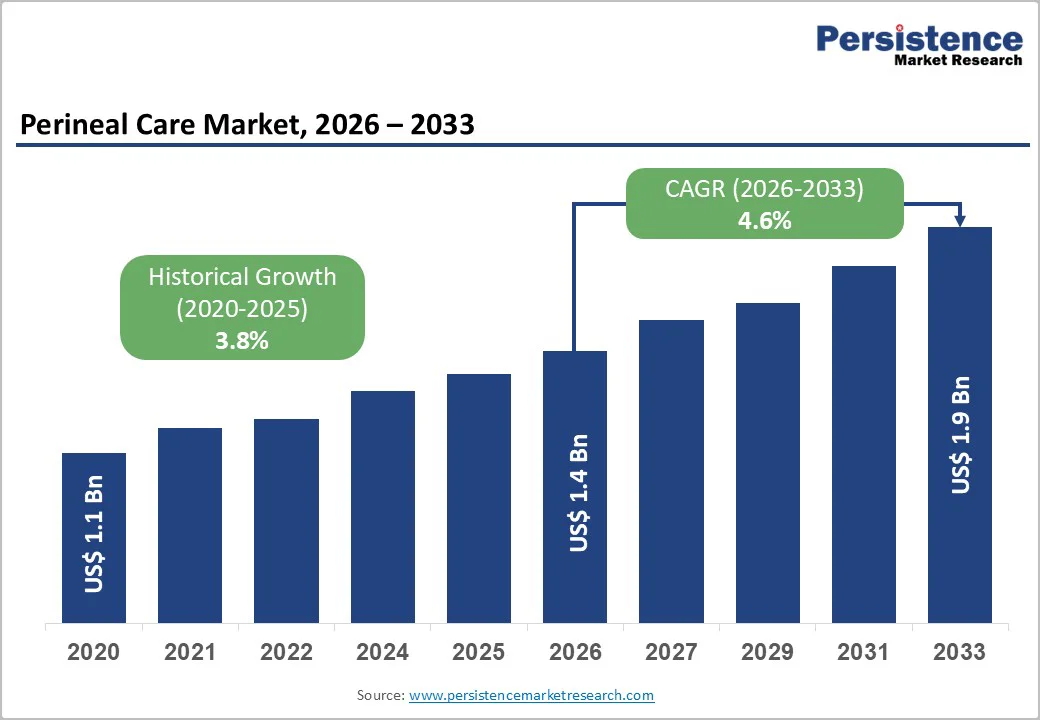
The global piperine market size is likely to be valued at US$111.0 million in 2026, and is expected to reach US$178.2 million by 2033, growing at a CAGR of 7.0% during the forecast period from 2026 to 2033, driven by the increasing prevalence of natural bioavailability enhancers, rising demand for piperine in nutraceuticals and supplements, and advancements in extraction technologies. Rising demand for high-purity, bio-enhanced piperine in pharmaceuticals and food and beverage applications is driving wider adoption. Advances in both natural and synthetic grades are supporting growth by delivering more potent and standardized formulations. The growing awareness of piperine’s role in improving nutrient absorption, particularly in emerging health markets, also continues to fuel market expansion.
Key Industry Highlights:
- Leading Region: Asia Pacific, anticipated to account for a 45% market share in 2026, driven by abundant black pepper production, high nutraceutical consumption, and strong export growth in India and China.
- Fastest-growing Region: North America, fueled by rising supplement demand, increasing health awareness, and growing investments in bioavailable formulations in the U.S.
- Dominant Product Type: Natural Piperine, to hold approximately 65% of the revenue share, as it provides clean-label appeal and consumer preference for plant-derived ingredients.
- Leading Application: Nutraceuticals account for over 40% of the market revenue, due to their role in enhancing absorption of curcumin, vitamins, and other actives.
- Leading Distribution Channel: Online stores, to contribute nearly 35% of the market revenue in 2026, due to convenience, a wide variety, and rising e-commerce penetration.
| Key Insights | Details |
|---|---|
| Piperine Market Size (2026E) | US$111.0 Mn |
| Market Value Forecast (2033F) | US$178.2 Mn |
| Projected Growth (CAGR 2026 to 2033) | 7.0% |
| Historical Market Growth (CAGR 2020 to 2025) | 6.6% |
Market Factors – Growth, Barriers, and Opportunity Analysis
Rising Demand for Natural Bioenhancers and Nutraceuticals
The rising demand for natural bioenhancers and nutraceuticals is closely linked to global public-health strategies that emphasize preventive healthcare, nutrition-based interventions, and reduced dependence on synthetic drugs. Government health agencies increasingly recognize the role of bioactive natural compounds in improving nutrient absorption and overall wellness. Ingredients such as piperine, derived from black pepper, are gaining importance as they enhance the bioavailability of vitamins, minerals, and therapeutic compounds, aligning with these preventive health goals.
The Ministry of AYUSH (Government of India) promotes the use of plant-based bioactive ingredients in wellness and preventive healthcare systems, encouraging the integration of traditional knowledge with modern nutraceutical formulations. The U.S. National Institutes of Health (NIH) acknowledges that bioavailability enhancers from natural sources play a supportive role in dietary supplements by improving nutrient uptake and effectiveness. The Food and Agriculture Organization (FAO) also highlights the growing global focus on functional foods and naturally sourced ingredients to support long-term health and nutrition security.
Competition from Synthetic Alternatives
Competition from synthetic alternatives poses a significant challenge to the natural piperine market, impacting demand, pricing, and adoption across end-use industries. Synthetic bioavailability enhancers and chemically derived analogs offer manufacturers advantages such as lower production costs, consistent supply, and standardized performance, making them more attractive than natural extracts. Unlike natural piperine, which relies on agricultural sourcing and complex extraction processes, synthetic versions can be produced through controlled chemical synthesis or fermentation, ensuring uniform quality and availability independent of crop cycles. This reliability is especially important for large pharmaceutical and nutraceutical companies that require predictable supply chains and strict regulatory compliance.
Manufacturers may thereby prefer synthetic enhancers for cost efficiency, simpler formulation, and faster time-to-market. The reliance on synthetic substitutes can constrain the growth of natural piperine, particularly in markets where “clean-label” or plant-derived claims are not a primary consideration. In regions or segments driven by cost rather than natural sourcing, synthetic enhancers are likely to capture a larger market share.
Enhancement in Standardized and Bio-Based Delivery Platforms
Enhancements in standardized and bio-based piperine delivery platforms are transforming the global nutraceutical landscape by addressing two major challenges, bioavailability variability and sustainability barriers. Standardized piperine is engineered to achieve consistent 95% purity, reducing reliance on variable raw material and enabling reliable dosing in supplements. Innovations, such as supercritical CO2 extraction, enzymatic enhancement, nano-encapsulation, and hybrid formulations, significantly improve potency and reduce degradation, lowering formulation costs for brands and consumer campaigns.
Progress in bio-based platforms, including organic extracts, synthetic-free grades, encapsulated actives, and powder blends, supports more clean-label nutrition by minimizing synthetic inputs, the supplement’s first line of defense against regulatory scrutiny. These formats eliminate contaminants, enhance absorption, and allow versatile use without carriers, making them highly suitable for mass nutraceutical programs. New technologies such as liposomal delivery, bio-adhesive gels, and VLP-based encapsulation further enhance bioavailability and stability response.
Category-wise Analysis
Product Type Insights
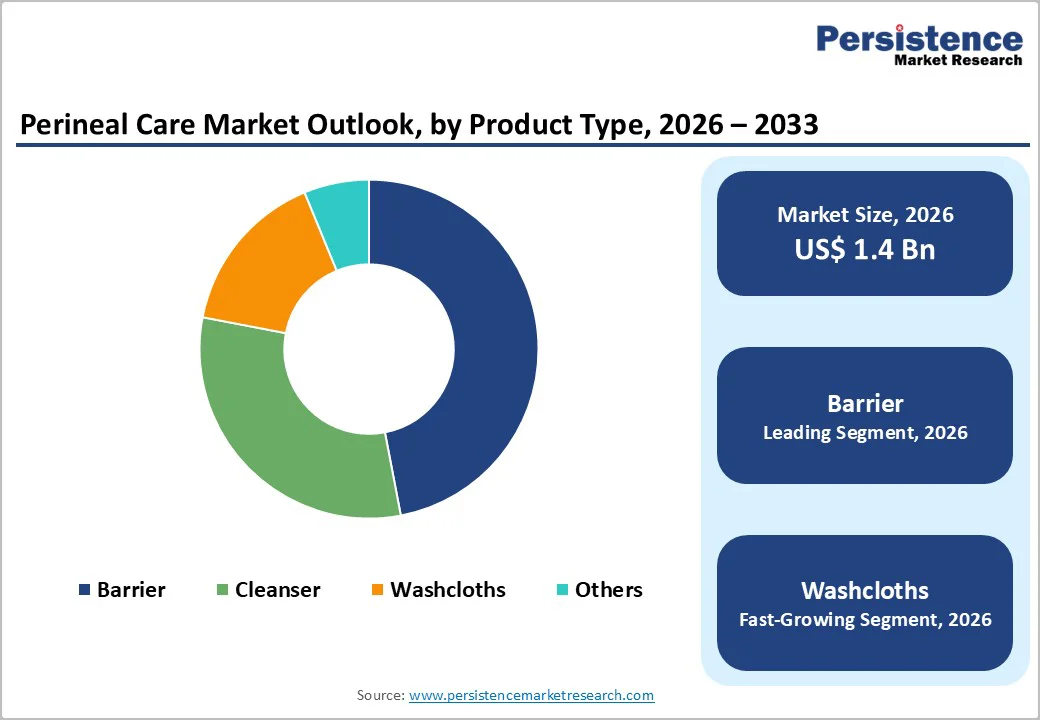
Natural piperine is anticipated to dominate the market, accounting for approximately 65% of the market share in 2026. Its dominance is fueled by clean-label preference, consumer trust, and regulatory advantages, making it preferred for supplements. Natural piperine provides high bioavailability, ensures authenticity, and contributes to premium appeal, making it suitable for large-scale wellness campaigns. Sabinsa Corporation has strengthened its leadership in the natural piperine segment through its branded ingredient BioPerine®, a black pepper extract standardized for piperine and widely used as a bioavailability enhancer in dietary supplements. The company has secured multiple international patents, including in Canada and Japan, covering the use of piperine to enhance nutrient absorption.
Synthetic piperine represents the fastest-growing segment, due to its cost-efficiency and expanding use in industrial applications. Its controlled profile makes it ideal for targeted consistency, reducing variability. Continuous innovations in synthesis are further strengthening their purity, driving rapid adoption across North America and Europe, where demand for economical, high-volume piperine is accelerating. Synthetic piperine is a lab-created analog of the alkaloid naturally found in black pepper (Piper nigrum). Chemically identical to its natural counterpart, it enhances the absorption of nutrients such as curcumin, resveratrol, and certain vitamins by inhibiting metabolic enzymes and increasing intestinal permeability. Plant-derived piperine, which varies in concentration due to agricultural factors, and synthetic versions offer standardized potency critical for pharmaceutical and supplement manufacturing.
Application Insights
Nutraceuticals are anticipated to lead, holding approximately 40% of the revenue share in 2026, driven by absorption enhancement needs, large supplement programs, and strong global demand for bioavailable actives. Their dominance continues as brands expand curcumin and vitamin blends. Rising adoption of cosmetic anti-aging and expanded food campaigns highlight the growing focus on multi-functional benefits. NutraGrace offers Curcumin (95% curcuminoids) with Piperine (Bioperine™) vegetarian capsules, a product designed specifically to improve curcumin absorption using piperine, appealing to consumers focused on joint health and overall wellness. This reflects the industry trend of combining bioavailable actives to meet rising global demand for effective nutraceuticals.
Pharmaceuticals represent the fastest-growing segment, due to strong momentum in drug delivery and expanding inclusion of piperine as an excipient in formulations. The growing shift toward bioavailability platforms, along with better potency, accelerates the adoption. Advancements in pharma-grade piperine and continued progress of clinical trials entering regulatory phases drive market growth. Domperidone, a commonly used antiemetic drug with low oral bioavailability, showed that formulations combining domperidone with piperine significantly enhanced its intestinal permeability and overall pharmacokinetic profile, indicating improved drug absorption when piperine is included as a formulation excipient. This reflects the broader pharmaceutical application of piperine in enhancing membrane permeability and inhibiting metabolic enzymes such as CYP450 and P-glycoprotein, mechanisms widely explored in advanced drug delivery research to increase the therapeutic effectiveness of orally administered drugs.
Sales Channel Insights
Online Stores are expected to dominate, contributing nearly 35% of the revenue share in 2026, due to remaining the primary hub for convenience, a large variety, and management of diverse supplement aisles requiring easy comparison. Their strong digital reach, review systems, and ability to handle high-volume or bundled sales drive higher turnover. Online stores are leading natural piperine rollouts as well as administering emerging synthetic trials. The online retail channel has emerged as a key platform for dietary supplements and nutraceuticals, including piperine products, providing unmatched convenience, a wide product selection, digital accessibility, and easy comparison tools that traditional stores cannot offer. For example, major e-commerce platforms such as Amazon and iHerb have become key distribution points for supplement brands worldwide, allowing customers to browse extensive portfolios of wellness products, read user reviews, compare ingredient formulations (including bioavailability enhancers such as piperine), and make purchases from home.
Specialty stores are expected to be the fastest-growing segment, driven by their expertise and expanding role in premium supplement purchases. They provide convenient, in-person guidance, appealing to customers who value tactile, expert-assisted shopping experiences. Enhanced outreach, experiential focus, and broader availability of both routine and high-end piperine products further support rapid adoption in urban and semi-urban areas, boosting growth in the premium supplement market. A key example is The Vitamin Shoppe, a leading U.S. retail chain with hundreds of stores nationwide, offering curated selections of high-quality supplements and personalized guidance from trained staff to help customers meet specific health goals.
Regional Insights
North America Piperine Market Trends
North America is projected to be the fastest-growing region between 2026 and 2033, driven by its advanced nutraceutical infrastructure, strong R&D capabilities, and high public awareness of bioavailability benefits. Well-established distribution networks in the U.S. and Canada ensure broad accessibility of piperine across nutraceutical, food, and pharmaceutical segments. Rising demand for natural, convenient, and easily incorporable formulations is further accelerating adoption, as these formats enhance efficacy and overcome low-absorption challenges.
Technological innovations in piperine, including stable encapsulation, improved extraction methods, and targeted bioavailability enhancements, are attracting substantial public and private investment. Government initiatives and wellness campaigns promoting piperine to address nutrient gaps, curcumin resistance, and emerging health concerns are sustaining market demand. The increasing focus on synthetic grades and specialty applications, particularly in pharmaceuticals, is also expanding the scope of piperine’s use across diverse industries.
Europe Piperine Market Trends
Europe’s piperine market is bolstered by rising awareness of absorption benefits, robust supplement infrastructure, and government-led wellness initiatives. Countries, including Germany, France, and the U.K., have established nutrition frameworks that encourage the routine use of piperine and the adoption of innovative delivery formats. These potent formulations appeal to nutraceutical users, health-conscious consumers, and cosmetic markets, enhancing compliance and coverage.
Advances in piperine technology, such as improved standardization, targeted delivery, and higher-quality organic grades, are further driving market growth. European authorities are increasingly supporting research and clinical trials for both general and specialized applications, boosting market confidence. The region’s emphasis on convenient capsule formats aligns with preventive health trends and reduced synthetic intake. Public awareness campaigns and outreach programs are expanding market penetration in urban and rural areas, while suppliers continue to invest in advanced extraction techniques and novel variants to enhance efficacy.
Asia Pacific Piperine Market Trends
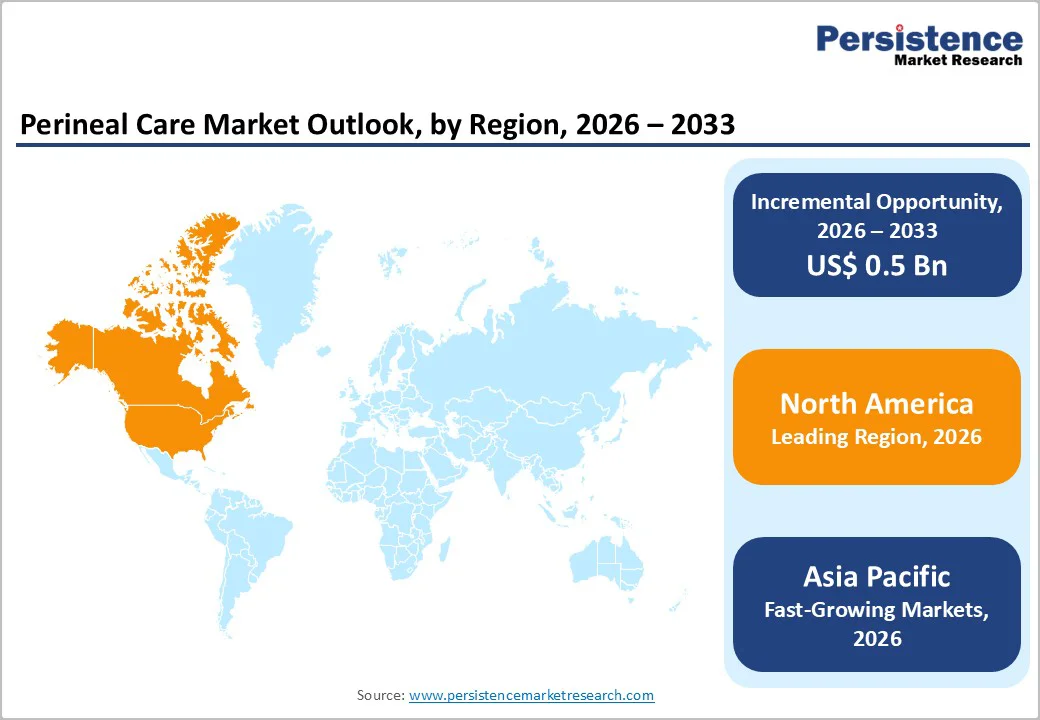
Asia Pacific is projected to dominate with over 45% market share in 2026, fueled by rising health awareness, increasing government initiatives, and expanding application programs across the region. Countries such as India, China, Japan, and Southeast Asian nations are actively promoting piperine campaigns to address traditional medicine and emerging nutraceutical needs. Piperine is particularly attractive in these regions due to its local sourcing, ease of processing, and suitability for large-scale supplement drives in both urban and rural populations.
Technological advancements are supporting the development of stable, effective, and easy-to-formulate piperine, which can withstand challenging climatic conditions and minimize degradation dependence. These innovations are critical for reaching remote facilities and improving overall absorption coverage. Growing demand for nutraceuticals, food & beverages, and cosmetics applications is contributing to market expansion. Public-private partnerships, increased herbal expenditure, and rising investment in extraction research and manufacturing capacity are further accelerating growth. The convenience of piperine delivery, combined with improved potency and reduced risk of inefficacy, positions piperine as a preferred choice.
Competitive Landscape
The global piperine market features competition between established extract leaders and emerging nutraceutical brands. In North America and Europe, OmniActive Health Technologies and Arjuna Natural lead through strong R&D, distribution networks, and supplement ties, bolstered by innovative grades and bioavailability programs. In Asia Pacific, K. Patel Phyto Extractions advances with localized solutions, enhancing accessibility. Bio-enhanced delivery boosts efficacy, cuts dose risks, and enables mass integrations across regions. Strategic partnerships, collaborations, and acquisitions merge expertise, expand sourcing, and speed commercialization. Organic formulations solve purity issues, aiding penetration in health-focused areas.
Key Industry Developments
- In January 2025, Botanic Healthcare secured US$29 million in Series B funding to accelerate global expansion and R&D, strengthening its portfolio of high-purity botanical extracts, including piperine, to meet growing nutraceutical and pharmaceutical demand. Botanic Healthcare is a globally recognized manufacturer of Biopepper95®.
Companies Covered in Piperine Market
- K. Patel Phyto Extractions
- Arjuna Natural
- Botanic Healthcare
- Advanced Biotech
- OmniActive Health Technologies
Frequently Asked Questions
The global piperine market is projected to reach US$111.0 million in 2026.
The rising prevalence of natural bioavailability enhancers and demand for piperine in nutraceuticals are key drivers.
The piperine market is poised to witness a CAGR of 7.0% from 2026 to 2033.
Advancements in standardized and bio-based delivery platforms are key opportunities.
K. Patel Phyto Extractions, Arjuna Natural, OmniActive Health Technologies, Advanced Biotech, and Botanic Healthcare are the key players.


