




- Processed Food
- Oat Based Snacks Market
Oat Based Snacks Market Size, Share, and Growth Forecast, 2026 - 2033
Oat Based Snacks Market by Product Type (Oat-based Bakery and Bars, Oat-based Savory), Distribution Channel (Offline, Online), and Regional Analysis for 2026 - 2033

Oat Based Snacks Market Size and Trends Analysis
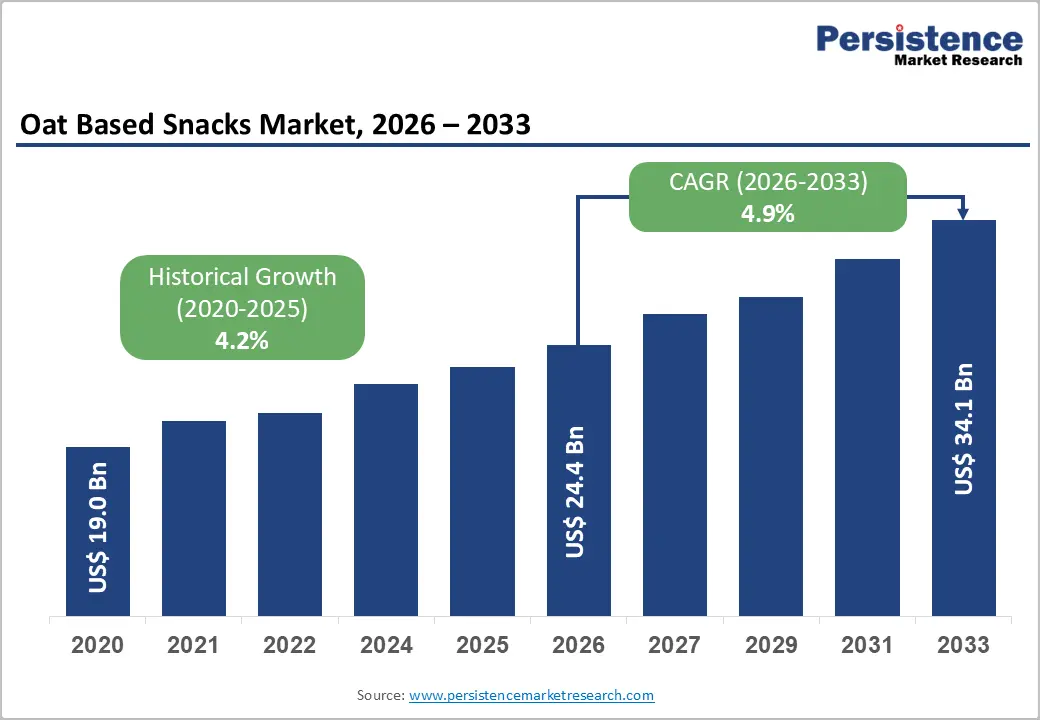
The global oat based snacks market size is likely to be valued at US$24.4 billion in 2026, and is expected to reach US$34.1 billion by 2033, growing at a CAGR of 4.9% during the forecast period from 2026 to 2033, driven by rising consumer preference for healthy, convenient, and gluten-free snacks, along with the nutritional benefits of oats. Increasing demand for oat-based bars, cookies, and savory snacks as better-for-you alternatives remains a major driver of oat based snacks market growth.
Key Industry Highlights:
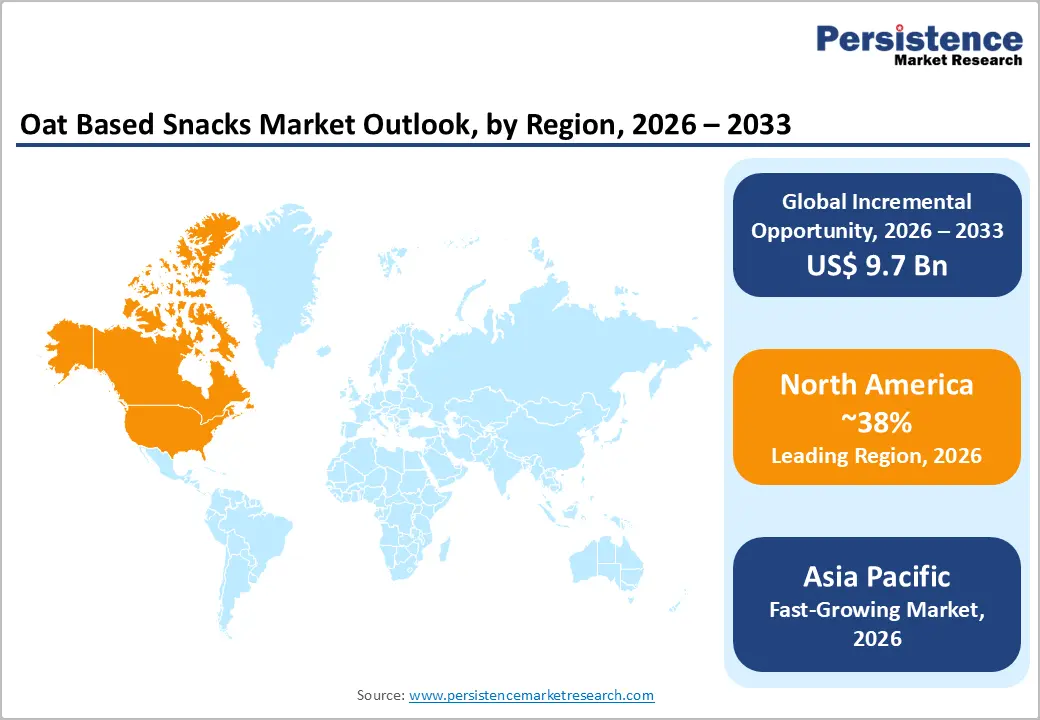
- Leading Region: North America, anticipated to account for a 38% market share in 2026, driven by health-conscious, busy consumers seeking convenient, nutritious, and functional snacks.
- Fastest-growing Region: Asia Pacific, fueled by rising health awareness, disposable incomes, and demand for convenient, nutritious snacks.
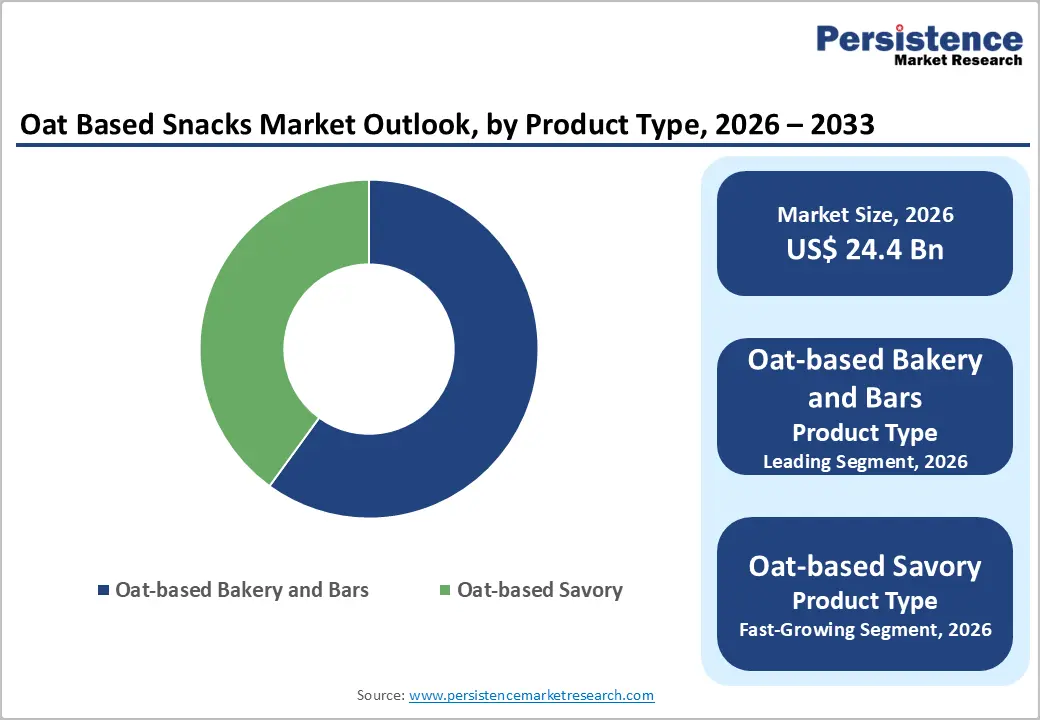
- Dominant Product Type: Oat-based bakery and bars, to hold approximately 65% of the market share, driven by convenience, portability, and demand for nutritious, high-fiber snacks.
- Leading Distribution Channel: Offline channels are expected to hold 65% of the oat-based snacks market in 2026, supported by strong retail presence and consumer preference for in-store shopping.
| Key Insights | Details |
|---|---|
| Oat Based Snacks Market Size (2026E) | US$24.4 Bn |
| Market Value Forecast (2033F) | US$34.1 Bn |
| Projected Growth CAGR (2026 - 2033) | 4.9% |
| Historical Market Growth (2020 - 2025) | 4.2% |
DRO Analysis
Driver - Growing Health Awareness
Consumers are increasingly shifting toward healthier eating habits, actively seeking foods that contribute to long-term well-being rather than just immediate satisfaction. The US Department of Agriculture's Dietary Guidelines for Americans 2025 - 2030 recommend prioritizing whole grains such as oats as part of a balanced diet to improve health outcomes and reduce risks of chronic diseases such as heart disease and diabetes, emphasizing foods naturally high in dietary fiber and nutrients.
Supporting this trend, U.S. public health objectives tracked by the Office of Disease Prevention and Health Promotion show efforts to increase whole grain consumption as a key source of fiber among people aged two years and older, indicating government-level encouragement of healthier food choices. Surveys highlight rising consumer recognition of whole grains as beneficial; for example, more than half of American adults report choosing whole grain options regularly, reflecting growing appreciation for nutritious ingredients over refined alternatives.
Convenience and On-the-Go Lifestyle
Modern lifestyles have significantly changed how people eat, with many individuals juggling long workdays, commuting, and family responsibilities. Consumers increasingly prefer foods that fit into busy schedules and require little to no preparation. Oat-based snacks such as bars, bites, and ready-to-eat cookies provide a practical solution for quick hunger satisfaction between meals or during travel. Their packaging is typically lightweight and portable, making them easy to carry in bags, backpacks, or briefcases without the need for additional utensils or refrigeration.
This ease of consumption appeals not only to office workers and students but also to fitness enthusiasts who need a quick source of energy before or after workouts. The growing trend of eating outside the home, whether during short breaks, while running errands, or on public transport, reinforces demand for snacks that are convenient, mess-free, and nutritionally balanced. Oat-based snacks meet these needs by delivering wholesome ingredients in formats designed for fast, on-the-go consumption. Busy consumers are more conscious about maintaining a healthy diet, so they seek options that combine convenience with better nutritional profiles.
Restraint - Flavor and Taste Preferences
Consumer taste expectations can act as a restraint in the oat-based snacks market, as not all products meet the flavor and texture preferences of a broad audience. While oats are highly nutritious, they have a naturally mild, sometimes bland flavor that may not appeal to individuals accustomed to more intensely sweet, salty, or savory snacks. This perception can reduce repeat purchases, particularly among children or consumers who prioritize indulgence over health benefits.
The challenge becomes more pronounced in markets where traditional snacks with strong flavors dominate, such as crisps, cookies, and chocolate-based items. Even with added sweeteners, spices, or flavorings, oat-based snacks may fail to deliver the same sensory satisfaction, limiting their acceptance. Attempts to create functional or fortified versions, such as high-protein or fiber-enriched bars, can alter taste and texture, further discouraging consumers if not carefully formulated.
Premium Pricing
The relatively high cost of oat-based snacks can limit their adoption among price-sensitive consumers, acting as a significant restraint in the market. Premium pricing is often associated with organic ingredients, clean-label formulations, and functional enhancements such as added protein, vitamins, or superfoods. While these features appeal to health-conscious buyers, they increase production and retail costs, making oat-based snacks more expensive than conventional snacks such as chips, cookies, or biscuits.
In regions with lower disposable incomes or where traditional snacking habits dominate, consumers may be unwilling to pay the extra premium, preferring cheaper alternatives even if they are less nutritious. This price gap can slow market penetration, particularly in emerging markets or smaller cities where affordability is a key factor in purchase decisions. Premium pricing can make trial purchases less frequent, as new consumers may hesitate to invest in products they are unfamiliar with.
Opportunity - Functional and Fortified Products
Oat-based snacks are increasingly being developed with added nutritional benefits to meet the growing demand for health-oriented foods. By incorporating functional ingredients such as protein, vitamins, minerals, and fiber, these snacks provide more than basic sustenance, addressing specific dietary needs and lifestyle goals. For example, protein-enriched oat bars support muscle recovery for fitness enthusiasts, while snacks fortified with calcium or vitamin D appeal to individuals seeking bone health benefits.
In addition to vitamins and minerals, some products include natural superfoods such as chia seeds, flaxseeds, or dried fruits, which enhance antioxidant intake and overall nutrient density. Functional formulations also cater to digestive health, with oats naturally rich in beta-glucan fiber, which can support cholesterol management and promote gut health. These added benefits make oat-based snacks an attractive choice for consumers looking for convenient options that combine taste and wellness. The ability to innovate with fortified ingredients allows brands to differentiate their products in a competitive market, attracting niche segments such as athletes, children, and health-conscious adults.
Flavor Innovation
Creating diverse and appealing flavors is becoming a crucial strategy for oat-based snacks to attract and retain consumers. While oats offer excellent nutritional benefits, their naturally mild taste can sometimes be perceived as bland, making flavor variety an important factor in driving purchase decisions. By introducing new taste combinations, brands can cater to a wider audience and make healthier snacks more enjoyable. Sweet options such as chocolate, berries, and caramel appeal to indulgence-seeking consumers, while savory variants such as cheese, herbs, or spiced crackers target those preferring salty snacks.
Regional and cultural preferences also influence flavor innovation, encouraging brands to experiment with locally popular tastes. For instance, tropical fruit blends or matcha-infused products can attract niche markets and create differentiation in crowded snack aisles. Flavor experimentation extends beyond taste to include texture enhancements, such as crunchy, chewy, or layered formulations, which improve the overall sensory experience. Innovation in flavor allows oat-based snacks to compete effectively with traditional indulgent options, overcoming perceptions of health foods being less satisfying.
Category-wise Analysis
Product Type Insights
Oat-based bakery and bars are anticipated to dominate, accounting for 65% of market share in 2026, propelled by their convenience, portability, and broad consumer appeal. These products cater to busy lifestyles, offering ready-to-eat options for breakfast, snacking, or on-the-go nutrition. Their popularity is further driven by growing demand for high-fiber, protein-enriched, and clean-label foods, which align with health-conscious eating trends. Oat bars, granola bars, and bakery items such as cookies and muffins provide both taste and nutritional value, making them preferred choices among adults and children alike. General Mills Inc., through its Nature Valley, provides a widely recognized range of oat-based granola and snack bars available in supermarkets and grocery stores globally. These products are marketed as convenient, nutritious options for on-the-go snacking, catering to consumer preferences for high-fiber, whole-grain foods and reinforcing the prominence of the bakery and bars segment in the oat-based snacks market.
Oat-based savory represents the fastest-growing segment, fueled by increasing consumer demand for healthier alternatives to traditional salty snacks. Products such as oat crackers, chips, and savory biscuits offer the familiar taste and crunch of conventional snacks while providing higher fiber, whole-grain nutrition, and cleaner ingredient profiles. Health-conscious consumers, particularly millennials and working professionals, are seeking snacks that satisfy cravings without compromising on wellness. An example of the growing oat-based savory segment is Nairn's Oatcakes Limited, which produces oat-based crackers and wholegrain snacks as healthier alternatives to traditional chips and savory biscuits. Their organic oat crackers, made from whole-grain oats, can be eaten on their own or paired with dips, appealing to consumers seeking fiber-rich, nutritious, and wholesome savory snacking options.
Distribution Channel Insights
Offline is projected to dominate, holding 65% of the share in 2026, driven by its strong presence in supermarkets, hypermarkets, and convenience stores. Consumers prefer the tactile experience of examining products, checking labels, and comparing options before purchase, which offline retail facilitates. Established distribution networks and in-store promotions further strengthen this channel, ensuring high visibility and easy availability of popular brands. The Quaker Oats Company, a prominent global food brand under PepsiCo, maintains extensive distribution of its oat-based snack bars and granola products through supermarkets and convenience stores in major markets. In India, the company has expanded its portfolio to include instant oats and flavored oat products, making them available across modern trade outlets as well as local neighborhood stores. This strategy enhances in-store visibility and drives sales, complementing its presence on e-commerce platforms.
Online is the fastest-growing distribution channel, supported by increasing consumer preference for convenience and time-saving shopping. E-commerce platforms allow buyers to access a wide variety of products, compare prices, and read detailed nutritional information from home. Subscription-based services and direct-to-consumer brand websites further enhance accessibility, offering regular deliveries and personalized product recommendations. Nature’s Bakery distributes its oatmeal and whole-grain bars through its official website as well as leading online platforms such as Amazon. Its oatmeal crumble bars alone have achieved over 10,000 purchases in a single month, highlighting strong consumer demand. This demonstrates how e-commerce channels extend the brand’s reach beyond traditional retail, offering shoppers convenient access and supporting on-demand purchasing.
Regional Insights
North America Oat Based Snacks Market Trends
North America is projected to dominate approximately 38% of revenue in 2026, supported by growing health consciousness, busy lifestyles, and demand for convenient, nutritious snacking options. Consumers in the U.S. and Canada are increasingly seeking snacks that offer functional benefits, such as high fiber, protein enrichment, and sustained energy, while minimizing sugar and artificial additives. Oats are recognized for their heart-healthy properties, digestive benefits, and ability to provide long-lasting satiety, making them a preferred ingredient among millennials, working professionals, and fitness enthusiasts.
Innovation is a major trend, with brands experimenting with diverse formats, including oat bars, bites, cookies, granola clusters, and savory snacks. Flavor innovation is also significant, with combinations ranging from classic chocolate, nuts, and berries to more adventurous options, including salted caramel, maple, and seasonal fruit blends. Clean-label and organic products are increasingly popular, reflecting consumer preference for natural ingredients and transparent sourcing. E-commerce platforms and subscription-based snack services have become important channels, complementing traditional supermarkets, convenience stores, and specialty health retailers. Brands are also leveraging social media and influencer partnerships to engage consumers with health-oriented messaging and lifestyle content.
Europe Oat Based Snacks Market Trends
Market growth in Europe is fueled by rising health consciousness and a shift toward natural, nutrient-rich foods. Consumers across countries such as the U.K., Germany, France, and the Nordic region increasingly prefer snacks that provide functional benefits, such as high fiber, protein enrichment, and digestive support. Oats are widely recognized for their heart-healthy properties, cholesterol-lowering effects, and sustained energy release, making them popular among adults and fitness-focused consumers.
Convenience remains a key factor, with on-the-go formats such as oat bars, bite-sized cookies, and snack packs gaining traction among busy professionals and students. European consumers are also highly attentive to product labeling, clean ingredients, and sustainable sourcing, leading brands to highlight organic, non-GMO, and minimally processed offerings. Flavor innovation plays a significant role, with a growing focus on combining traditional European tastes such as berry blends, nuts, and dark chocolate with global influences such as coconut, matcha, and tropical fruits. Sustainability and ethical production practices are increasingly influencing purchase decisions, with brands promoting eco-friendly packaging and responsibly sourced oats. Retail strategies emphasize a balance of online sales, specialty health stores, and modern supermarket chains to reach a broad demographic.
Asia Pacific Oat Based Snacks Market Trends
Asia Pacific is likely to be the fastest-growing region, driven by increasing health awareness and changing dietary habits among consumers. Rising disposable incomes, urbanization, and a growing preference for convenient, on-the-go snacks have led to greater adoption of oat-based products in countries such as China, India, Japan, and Australia. Consumers in this region are increasingly seeking snacks that are not only tasty but also nutritious, high in fiber, and low in sugar, creating opportunities for brands to innovate with functional ingredients such as protein, seeds, and superfoods.
E-commerce platforms and modern retail chains are playing a critical role in expanding market reach, making oat-based snacks more accessible across urban and semi-urban areas. There is also a growing trend toward clean-label and organic products, as consumers are more conscious of ingredients, sourcing, and production methods. Flavor innovation is another key trend, with brands experimenting with local tastes, such as matcha, red bean, and tropical fruit blends, to appeal to regional preferences.
Competitive Landscape
The global oat-based snacks market is highly competitive, driven by both major multinational food corporations and specialized oat brands striving to capture health-conscious consumers. Companies such as General Mills Inc., Mondelez International, Nairn's Oatcakes Limited, WK Kellogg Co, The Quaker Oats Company, Bobo's Oat Bars, Britannia Industries, Abbott, Seamild Food Group, and Pamela's Products actively compete on multiple fronts, including product quality, nutritional claims, and distribution strength. Innovation is a key strategy, with players introducing diverse flavors, enhanced taste profiles, and improved nutritional formulations to meet evolving consumer preferences.
There is a growing emphasis on clean-label, organic, and functional variants, appealing to the wellness-focused segment. Brands are expanding their presence through online marketplaces and modern retail channels, particularly in high-growth regions such as Asia Pacific. Strengthening brand visibility, leveraging marketing campaigns, and focusing on consumer engagement remain central to sustaining market share in this dynamic, fast-growing sector.
Key Industry Developments:
- In June 2025, Nature’s Path Organic Foods’ brand Love Child Organics launched Oaty Bites, a new oat-based snack designed for toddlers aged four and above. The snacks contained 5 grams of sugar and 12 to 14 grams of whole grains per serving and were made with gluten-free oats, sunflower seed butter, quinoa, and chia, providing a nutritious and convenient option for young children.
- In May 2023, General Mills, Inc. expanded its Nature Valley brand by introducing Nature Valley Savory Nut Crunch Bars. The company stated that these bars represented the brand’s first savory snack offerings and were launched in three flavors: everything bagel, white cheddar, and smoky barbecue.
Companies Covered in Oat Based Snacks Market
- General Mills Inc.
- Mondelēz International
- Nairn's Oatcakes Limited
- WK Kellogg Co
- The Quaker Oats Company
- Bobo's Oat Bars
- Britannia Industries
- Abbott
- Seamild Food Group
- Pamela's Products
Frequently Asked Questions
The global oat based snacks market is projected to reach US$24.4 billion in 2026.
Oat-based snacks such as bars and bites cater to busy lifestyles, offering portable, ready-to-eat options for on-the-go consumption.
The oat based snacks market is poised to witness a CAGR of 4.9% from 2026 to 2033.
Oat-based snacks are fortified with protein, vitamins, and minerals to meet health-focused consumer needs and support specific dietary goals.
Key players in the oat based snacks market include General Mills Inc., Mondelēz International, The Quaker Oats Company, and Bobo's Oat Bars.


