




- Pharmaceuticals
- Intensive Anti-Aging Treatment Market
Intensive Anti-Aging Treatment Market Size, Share, and Growth Forecast, 2026 - 2033
Intensive Anti-Aging Treatment Market by Product Type (UV Absorbers, Others), Technology (Botulinum Toxin Therapy, Others), End-user (Hospitals, Skin Care Clinics, Homecare Settings, Others), and Regional Analysis for 2026 – 2033

Intensive Anti-Aging Treatment Market Size and Trends Analysis
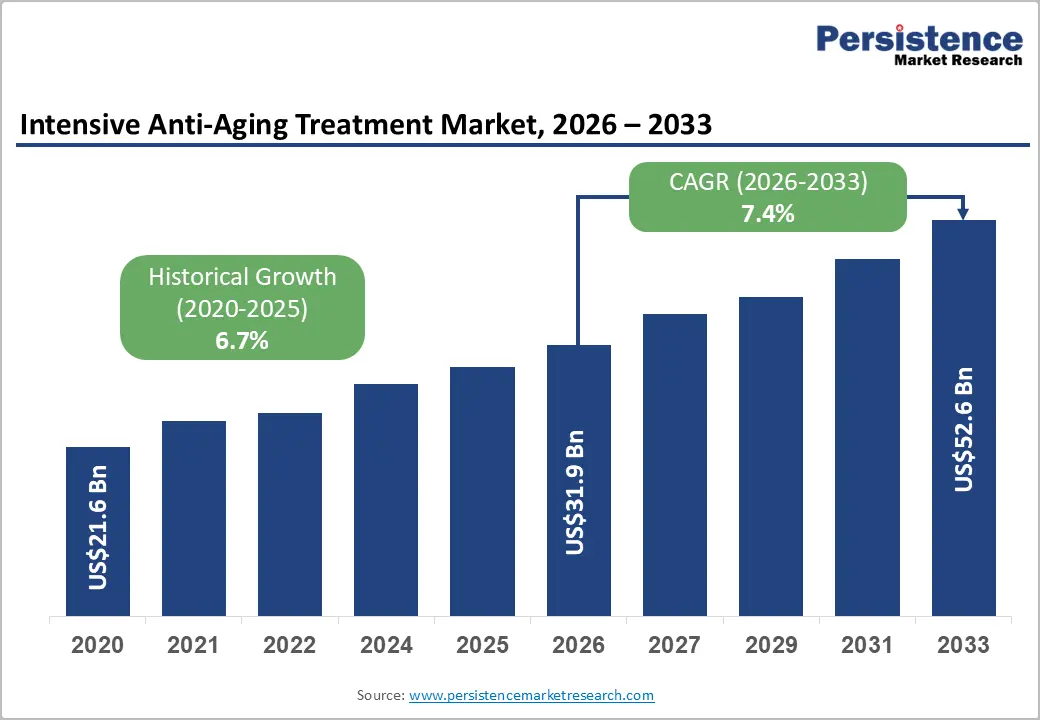
The global intensive anti-aging treatment market size is likely to be valued at US$31.9 billion in 2026, and is expected to reach US$52.6 billion by 2033, growing at a CAGR of 7.4% during the forecast period from 2026 to 2033, driven by the increasing prevalence of age-related skin concerns, rising demand for minimally invasive and non-surgical rejuvenation procedures, and growing consumer preference for advanced dermatological treatments.
Growing demand for intensive anti-aging solutions, especially botulinum toxin therapy and dermal fillers for wrinkle reduction and skin tightening, is accelerating adoption across end-use settings. Advances in fractional laser skin resurfacing and nonablative skin rejuvenation technologies are further boosting uptake by offering better results with minimal downtime. Increasing recognition of intensive anti-aging treatment as critical for preventive skin health, volume restoration, and youthful appearance in emerging beauty and medical aesthetics markets remains a major driver of market growth.
Key Industry Highlights:
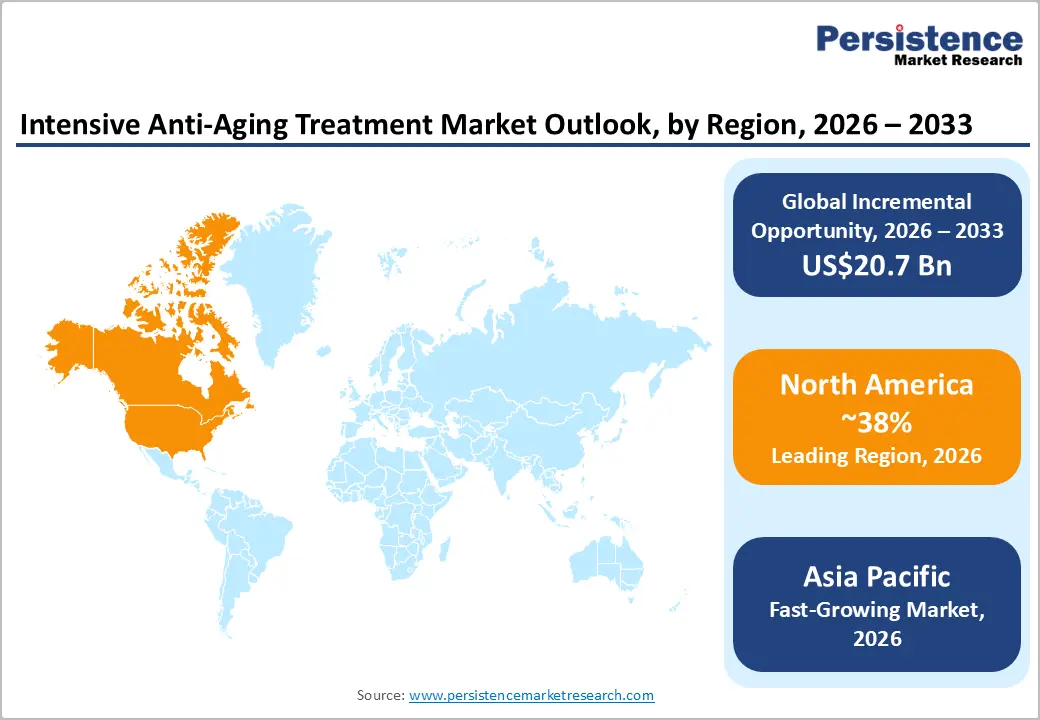
- Leading Region: North America, anticipated to account for a 38% market share in 2026, driven by supported by high consumer spending on advanced aesthetic treatments, widespread availability of dermatology and cosmetic clinics, and strong adoption of both clinical and home-use anti-aging solutions, especially in the U.S.
- Fastest-growing Region: The Asia Pacific region is projected to grow at the fastest rate due to rising disposable incomes, a growing middle class, increasing beauty consciousness, and rapid urbanization.
- Dominant Product Type: Anti-wrinkle Products, to hold approximately 42% of the market share, as they remain the most sought-after category for visible results.
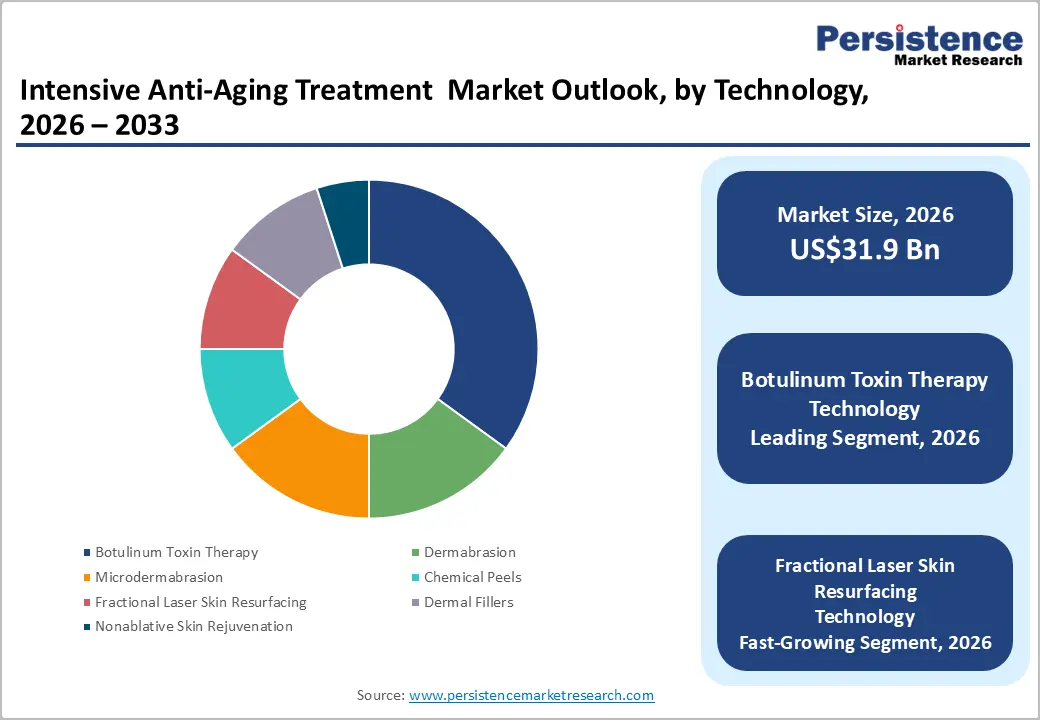
- Leading Technology: Botulinum toxin therapy, to contribute nearly 35% of the market revenue, due to its proven efficacy and widespread use.
| Global Market Attributes | Key Insights |
|---|---|
| Intensive Anti-aging Treatment Market Size (2026E) | US$31.9 Bn |
| Market Value Forecast (2033F) | US$52.6 Bn |
| Projected Growth CAGR (2026-2033) | 7.4% |
| Historical Market Growth (2020-2025) | 6.7% |
Market Factors – Growth, Barriers, and Opportunity Analysis
Growth Analysis – Rising Consumer Demand for Minimally Invasive and Non-Surgical Aesthetic Procedures
Rising consumer demand for minimally invasive and non-surgical aesthetic procedures is being driven by a clear shift in how people perceive beauty, aging, and self-care. Modern consumers increasingly prefer treatments that deliver visible improvements without the pain, long recovery periods, or risks associated with traditional surgery. Procedures such as injectables, laser treatments, skin tightening, and chemical peels appeal to individuals who want natural-looking results that fit into busy lifestyles. The ability to return to work or daily activities almost immediately has made these options especially attractive to working professionals and younger consumers.
Growing awareness and acceptance of aesthetic treatments across a broader demographic. Social media, celebrity influence, and digital consultations have normalized non-surgical enhancements, reduced stigma, and encouraged first-time users. Technological advancements have improved the precision, safety, and effectiveness of minimally invasive procedures, increasing consumer confidence and satisfaction. Cost considerations also play a role, as non-surgical treatments are generally more affordable than invasive surgeries and can be customized based on individual needs and budgets.
Increasing Adoption of Advanced Technologies and Combination Therapies
Increasing adoption of advanced technologies and combination therapies is reshaping treatment approaches across aesthetic and medical care by focusing on enhanced outcomes rather than single-solution results. Advanced technologies such as energy-based devices, AI-assisted diagnostics, precision injectables, and smart treatment platforms allow practitioners to deliver more targeted, consistent, and predictable results. These innovations reduce variability in outcomes, improve safety profiles, and enable customization based on individual skin type, anatomy, and treatment goals, which strongly appeals to today’s outcome-driven consumers.
Combination therapies are gaining traction because they address multiple concerns simultaneously. Instead of relying on one procedure, practitioners increasingly combine technologies such as lasers with injectables or radiofrequency with topical or injectable treatments to enhance efficacy and prolong results. This layered approach improves skin texture, volume, tone, and firmness in a single treatment plan, delivering more comprehensive improvements.
Barrier Analysis – High Cost of Procedures and Limited Reimbursement
high cost of advanced procedures combined with inconsistent long-term results. Intensive anti-aging treatments often rely on premium technologies, specialized formulations, and repeated sessions to maintain visible outcomes, which significantly increases overall treatment expenses for consumers. Since most of these treatments are considered elective, they are rarely covered by insurance, making affordability a major concern, especially for middle-income and price-sensitive consumers.
The need for ongoing maintenance acts as a restraint. Unlike one-time interventions, intensive anti-aging solutions require regular follow-up treatments to sustain results, leading to treatment fatigue and reduced adherence over time. Concerns related to safety, side effects, and unrealistic expectations also limit adoption, particularly among first-time users. Fear of overcorrection or unnatural outcomes can discourage consumers from opting for aggressive or intensive procedures. Regulatory variability and the requirement for skilled practitioners further restrict market expansion.
Safety and Side-Effect Concerns
Safety and side-effect concerns represent a major restraint in the adoption of intensive anti-aging treatments, particularly as these procedures often involve aggressive techniques, higher energy settings, or potent injectable formulations. Consumers are increasingly cautious about potential short-term effects such as swelling, bruising, pain, redness, or inflammation, which can disrupt daily routines and affect confidence. Even when these effects are temporary, the visible nature of facial treatments can make patients hesitant to proceed.
Longer-term risks also influence decision-making. Concerns about uneven results, tissue damage, scarring, pigment changes, or unnatural facial expressions create anxiety, especially among first-time users. Media coverage of poorly performed procedures and negative outcomes shared on social platforms further amplifies these fears. Consumers may delay treatment, opt for less intensive alternatives, or avoid professional procedures altogether. From a clinical perspective, the success and safety of intensive anti-aging treatments depend heavily on practitioner expertise, proper patient assessment, and adherence to protocols.
Opportunity Analysis – Growth in Male Consumer Segment and Personalized Combination Protocols
Growth in the male consumer segment and the rising use of personalized combination protocols are emerging as important drivers in the anti-aging and aesthetic treatment market. Male consumers are increasingly seeking professional treatments to maintain a youthful, healthy appearance, driven by workplace competitiveness, social visibility, and greater acceptance of self-care among men. Unlike traditional approaches focused primarily on women, clinics are now tailoring treatments to male-specific concerns such as skin thickness, facial structure, hair loss, and signs of fatigue or stress. Discreet procedures with subtle, natural-looking outcomes are particularly appealing to this segment.
Personalized combination protocols are transforming treatment strategies by moving away from standardized, one-size-fits-all solutions. By combining multiple modalities such as injectables, energy-based devices, and skin-rejuvenation therapies, practitioners can address aging at different biological levels. Personalization allows treatment plans to be adjusted based on age, skin condition, lifestyle, and aesthetic goals, improving both safety and effectiveness.
Growing Focus on Skin Health and Regeneration
Growing focus on skin health and regeneration is becoming a major opportunity driver for the intensive anti-aging treatment market as consumers shift from surface-level cosmetic fixes to long-term skin improvement. Rather than seeking quick, temporary enhancements, patients increasingly want treatments that strengthen the skin’s structure, restore vitality, and support natural repair processes. This mindset has expanded demand for therapies that stimulate collagen production, improve cellular turnover, and enhance overall skin quality over time.
Advancements in regenerative approaches have reinforced this trend. Treatments designed to activate the skin’s own healing mechanisms, such as collagen-inducing energy devices, bioactive injectables, and advanced skin-rejuvenation protocols, are gaining popularity due to their ability to deliver gradual, natural-looking results. Consumers associate regeneration-focused treatments with healthier aging, reduced risk of overcorrection, and improved skin resilience. This focus also aligns with the growing emphasis on personalized care. Skin health varies based on age, lifestyle, environmental exposure, and genetics, encouraging tailored regenerative programs rather than standardized procedures. Increased awareness of factors such as sun damage, pollution, stress, and hormonal changes has made consumers more proactive about maintaining skin integrity.
Category-wise Analysis
Product Type Insights
Anti-wrinkle products are anticipated to dominate the market, accounting for approximately 42% of the market share in 2026. Its dominance is driven by broad appeal across multiple age groups and consistent consumer demand for visible aging correction. Wrinkles are one of the earliest and most noticeable signs of aging, making targeted solutions a priority for consumers seeking both preventive and corrective care.
These products offer versatile options, ranging from topical formulations to professional treatments, allowing consumers to choose based on budget and intensity. BOTOX® Cosmetic by Allergan Aesthetics (an AbbVie company), BOTOX is one of the most widely used anti-wrinkle injectable treatments globally, with millions of procedures performed each year to reduce facial lines and wrinkles by temporarily relaxing muscles. Its widespread recognition and consistent demand show how anti-wrinkle solutions can lead category growth, especially when backed by strong clinical use and brand trust.
Natural products represent the fastest-growing segment, due to consumers increasingly prioritizing safety, transparency, and long-term skin health. Growing awareness of ingredient-related sensitivities and concerns over synthetic chemicals has shifted demand toward formulations derived from plant extracts, bio-fermented actives, and naturally sourced antioxidants.
Consumers associate natural products with a lower risk of irritation and better skin compatibility, especially for long-term use. This trend is further supported by clean-label preferences, sustainability awareness, and the influence of wellness-driven lifestyles. Amorepacific’s use of botanical ingredients in its skincare lines, particularly with brands such as Sulwhasoo and Laneige. Amorepacific has focused on natural plant extracts such as ginseng and green tea, traditional ingredients known for their antioxidant and anti-aging properties, to formulate products that appeal to consumers seeking natural, plant-based solutions for skin aging.
Technology Insights
Botulinum toxin therapy is expected to dominate the market, contributing nearly 35% of revenue in 2026, due to its proven effectiveness, wide clinical acceptance, and versatility in treating both aesthetic and therapeutic concerns. It delivers visible wrinkle reduction with minimal downtime, making it highly attractive to consumers seeking quick, non-surgical solutions. The procedure is well-established, predictable, and suitable for repeated use, supporting long-term demand.
Growing awareness, increased acceptance across different age groups, and expanding use among male consumers further strengthen adoption. Botox® Cosmetic, produced by Allergan Aesthetics (an AbbVie company). Botox is the most widely used botulinum toxin type A therapy in the world, accounting for a significant portion of botulinum toxin revenue and maintaining strong brand leadership in aesthetic treatments.
Fractional laser skin resurfacing represents the fastest-growing technology, with significant anti-aging benefits, reduced recovery time, and lower risk compared to traditional laser treatments. By delivering controlled microscopic columns of laser energy, it stimulates collagen production and skin remodeling while leaving surrounding tissue intact, which accelerates healing and enhances safety. Patients seeking smoother texture, reduced fine lines, and improved tone see substantial results with fewer sessions.
Advancements in device precision, customizable treatment depths, and better patient comfort have broadened its appeal. The Fraxel® laser system was originally developed by Reliant Technologies and is now marketed by Solta Medical (Bausch Health Companies Inc.). Fraxel® uses fractional photothermolysis to deliver microscopic laser energy into targeted skin areas, stimulating collagen production and improving texture, fine lines, wrinkles, and sun damage while leaving surrounding tissue intact, which speeds healing and reduces downtime.
Regional Insights
North America Intensive Anti-Aging Treatment Market Trends
North America is projected to lead the market, accounting for nearly 38% share in 2026, fueled by the region’s high per-capita spending on aesthetic procedures, strong reimbursement for injectables in select indications, and high public awareness of advanced dermatological care. Treatment systems in the U.S. and Canada provide extensive support for intensive anti-aging programs, ensuring wide accessibility across botulinum toxin, dermal fillers, and laser populations. Increasing demand for minimally invasive, convenient, and easy-to-schedule forms is further accelerating adoption, as these formats improve patient satisfaction and reduce barriers associated with surgical options.
Innovation in intensive anti-aging treatment technology, including stable combination protocols, improved regenerative delivery, and targeted personalized enhancement, is attracting significant investment from both public and private sectors. Government initiatives and FDA campaigns continue to promote use against ageing risks, safety concerns, and emerging cosmetic threats, creating sustained market demand. The growing focus on skin hydration grades and specialty uses, particularly for anti-wrinkle and others, is expanding the target applications for intensive anti-aging treatment.
Europe Intensive Anti-Aging Treatment Market Trends
Europe is witnessing a rise in awareness of the benefits of non-surgical rejuvenation, driven by strong regulatory frameworks and government-led aesthetic health initiatives. Countries, including Germany, France, Italy, and Spain, have well-established dermatological systems that support regular intensive anti-aging treatments and foster the adoption of innovative delivery methods such as botulinum toxin and laser resurfacing. These advanced treatments are especially attractive to aging populations, regulation-conscious clinics, and users focused on skin hydration, leading to improved outcomes and increased coverage rates.
Technological advancements in anti-aging treatments, including enhanced precision, targeted delivery systems, and higher regenerative properties, are further fueling the market’s growth. European authorities are also providing more support for research and clinical trials addressing both routine and specialized needs, which bolsters market confidence. The increasing demand for convenient, minimally invasive treatments aligns with the region's focus on preventive beauty and reducing recovery time. Public awareness campaigns are expanding their reach across both urban and rural areas, while providers continue to invest in advanced devices and new treatment variants to boost effectiveness.
Asia Pacific Intensive Anti-Aging Treatment Market Trends
Asia Pacific is likely to be the fastest-growing market, driven by rising beauty awareness, increasing government initiatives, and expanding application programs across the region. Countries such as South Korea, Japan, China, and India are actively promoting treatment campaigns to address aesthetic growth and emerging non-surgical needs. Intensive anti-aging treatments are particularly attractive in these regions due to their scalable administration, ease of access, and suitability for large-scale clinic and medical tourism drives in both urban and rural populations.
Technological advancements are supporting the development of stable, effective, and easy-to-administer intensive anti-aging treatments, which can withstand challenging reimbursement conditions and minimize downtime dependence. These innovations are critical for reaching domestic patients and improving overall aesthetic coverage. Growing demand for botulinum toxin, dermal fillers, and laser applications is contributing to market expansion. Public-private partnerships, increased beauty expenditure, and rising investment in dermatology research and clinic capacity are further accelerating growth.
The convenience of treatment delivery, combined with improved results and reduced risk of complications, positions intensive anti-aging treatment as a preferred choice.
Competitive Landscape
The global intensive anti-aging treatment market features competition between established pharmaceutical and medical aesthetics leaders and emerging regenerative and device specialists. In North America and Europe, Allergan plc. and L’Oreal S.A. lead through strong R&D, distribution networks, and clinic ties, bolstered by innovative botulinum toxin and dermal filler programs. In Asia Pacific, local players advance with cost-competitive solutions, enhancing accessibility. Regenerative delivery boosts long-term outcomes, cuts downtime risks, and enables mass integrations across clinics. Strategic partnerships, collaborations, and acquisitions merge expertise, expand portfolios, and speed commercialization. Natural formulations solve sensitivity issues, aiding penetration in clean-beauty segments.
Key Industry Developments:
- In June 2025, L'Oréal Groupe's inaugural Longevity event in Paris positioned beauty as a key pillar of longevity, emphasizing skin health as crucial for a longer, healthier life. The event showcased a shift from symptom correction to root-cause intervention, unveiling L'Oréal Longevity Integrative Science™ to promote preventive care and reinforce the company’s commitment to science-driven, health-focused beauty innovation.
- In February 2025, Evolus, Inc. received FDA approval for its Evolysse™ Form and Evolysse™ Smooth injectable hyaluronic acid (HA) gels. This approval marked the company's entry into the U.S. HA dermal filler market, solidifying its position as an innovator in aesthetics.
Companies Covered in Intensive Anti-Aging Treatment Market
- DRAN Co. Ltd.
- Allergan plc.
- Clarins
- Coty Inc.
- L’Oreal S.A.
- Elemis Ltd.
- Garnier LLC
- Clinique Laboratories LLC
- Vichy Laboratories
- Others
Frequently Asked Questions
The global intensive anti-aging treatment market is projected to reach US$31.9 billion in 2026.
Increased focus on appearance, preventive aging, and social acceptance across wider age groups, including male consumers, is driving consistent demand for intensive anti-aging solutions.
The intensive anti-aging treatment market is poised to witness a CAGR of 7.4% from 2026 to 2033.
Rising disposable incomes, increasing aesthetic awareness, and expanding clinic infrastructure in Asia Pacific and other developing regions offer strong growth potential for intensive anti-aging treatments.
Allergan plc., L’Oreal S.A., Clarins, Clinique Laboratories LLC, and Vichy Laboratories are the key players.


