




- Beverages
- Detox Tea Market
Detox Tea Market Size, Share, and Growth Forecast, 2026 - 2033
Detox Tea Market by Product Type (Herbal Detox Tea, Green Tea Detox, Fruit Infusion Detox Tea, Others), Ingredient (Organic Ingredients, Non-Organic Ingredients, Superfoods, Others), Health Benefit Claims (Weight loss, Others), and Regional Analysis for 2026 - 2033

Detox Tea Market Size and Trends Analysis
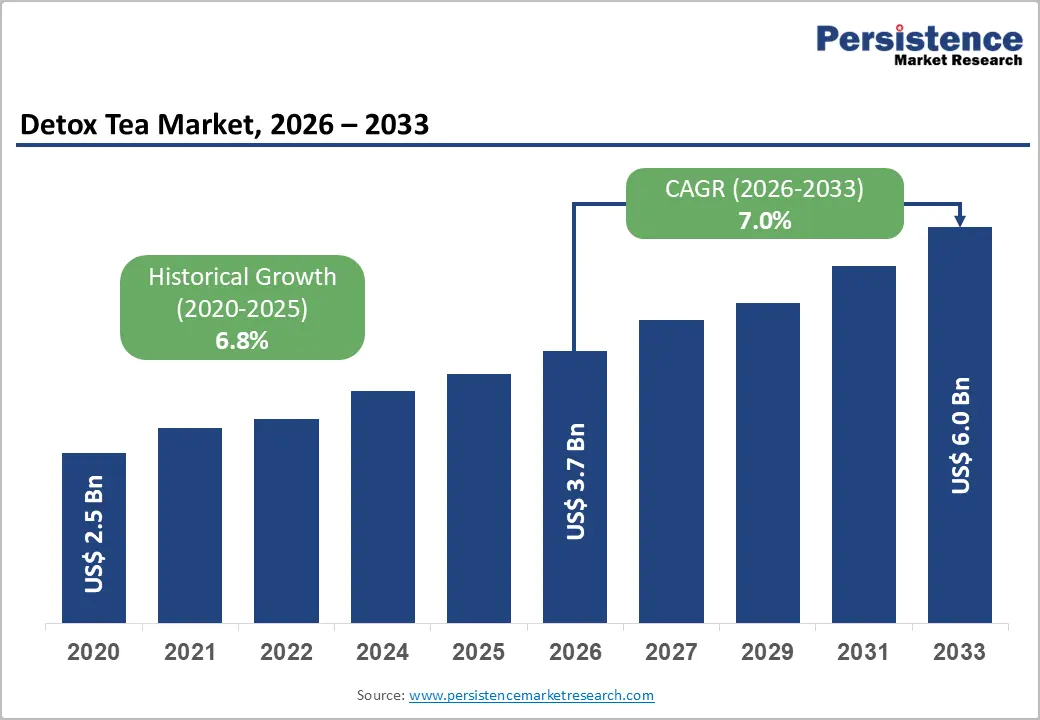
The global detox tea market size is likely to be valued at US$3.7 billion in 2026 and is expected to reach US$6.0 billion by 2033, growing at a CAGR of 7.0% during the forecast period from 2026 to 2033, driven by increasing consumer inclination toward natural wellness solutions, preventive healthcare, and functional beverages.
This expansion is reinforced by the gradual evolution of consumer preferences toward plant-based and herbal products, as individuals seek everyday dietary options that align with healthier lifestyles. Detox teas are being incorporated into daily routines by health-conscious consumers for their perceived benefits in digestion support, weight management, and general well-being, reflecting a shift toward routine-based wellness habits rather than occasional consumption. The growing influence of digital platforms, wellness communities, and lifestyle influencers has amplified awareness and adoption, particularly among younger demographics and urban populations. Consumers are showing a clear preference for formulations that feature organic ingredients, traditional herbs, and scientifically recognized functional components, while also expecting authenticity and traceability.
Key Industry Highlights:
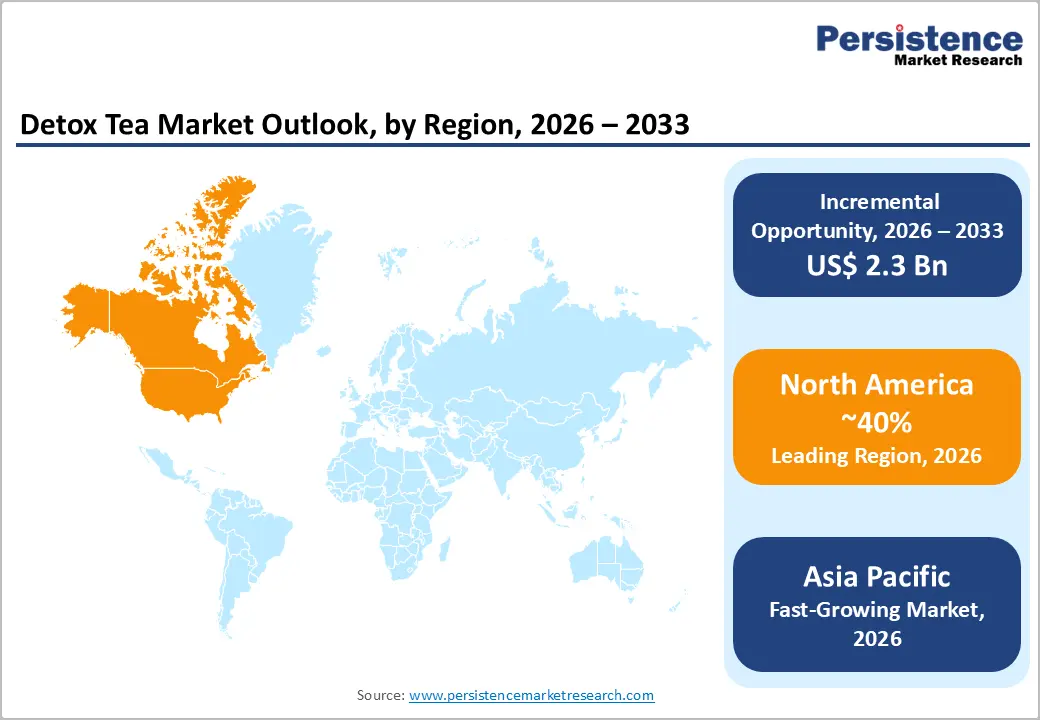
- Leading Region: North America is anticipated to be the leading region, accounting for a market share of 40% in 2026, driven by strong health and wellness trends, high demand for functional beverages, and increasing preference for clean-label and herbal products.
- Fastest-growing Region: Asia Pacific is likely to be the fastest-growing region, supported by strong traditional tea consumption, growing demand for herbal wellness products, and expanding manufacturing capabilities across key countries.
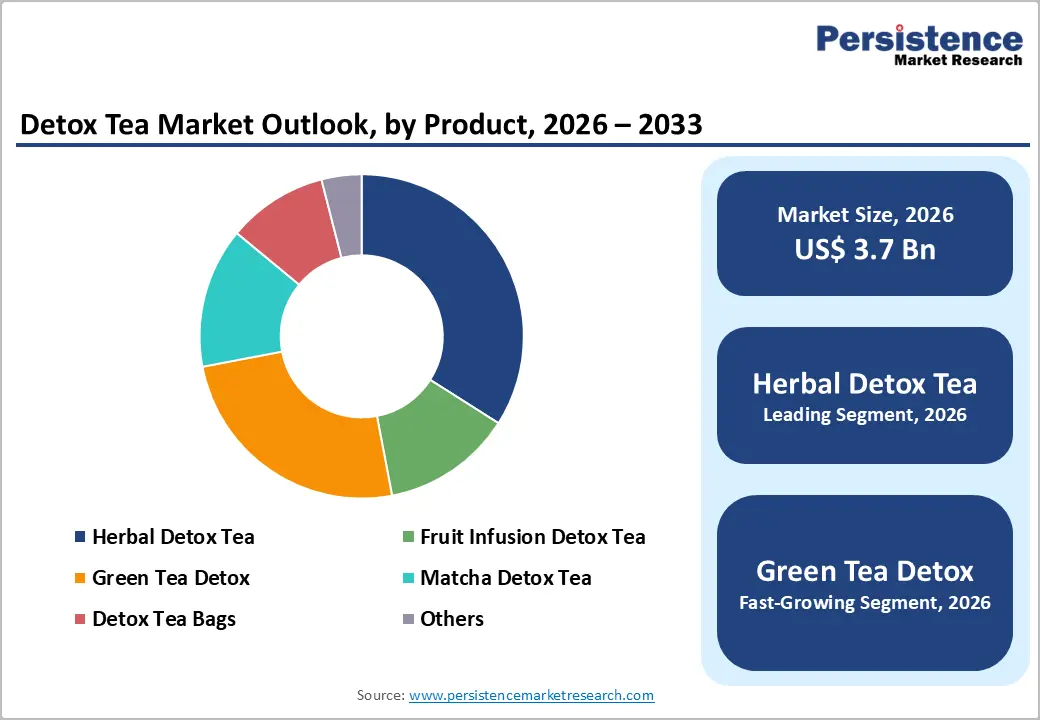
- Leading Product Type: Herbal detox tea is projected to represent the leading product type in 2026, accounting for 35% of the revenue share, driven by strong consumer preference for natural and traditional herbal formulations, along with wide product availability and versatility.
- Leading Ingredient Type: Organic ingredients are anticipated to be the leading ingredient type, accounting for over 45% of the revenue share in 2026, supported by rising demand for clean-label products, increasing consumer trust in certified ingredients, and growing preference for natural and chemical-free formulations.
| Key Insights | Details |
|---|---|
|
Detox Tea Market Size (2026E) |
US$3.7 Bn |
|
Market Value Forecast (2033F) |
US$6.0 Bn |
|
Projected Growth (CAGR 2026 to 2033) |
7.0% |
|
Historical Market Growth (CAGR 2020 to 2025) |
6.8% |
DRO Analysis
Driver - Increasing Health and Wellness Consciousness among Consumers
Growing awareness of preventive healthcare and lifestyle-related conditions is encouraging consumers to adopt healthier daily habits, including incorporating detox tea into their routines. Consumers are increasingly seeking beverages that align with wellness goals such as improved digestion, hydration, and overall vitality. This shift is particularly visible among urban populations and younger demographics who actively follow fitness trends and holistic health practices.
The influence of digital platforms and wellness communities accelerates this trend, as consumers gain exposure to health-focused content and peer recommendations. Increased access to information has led to more informed purchasing decisions, with buyers evaluating ingredient lists and functional benefits before selecting products. Manufacturers are responding by positioning detox tea as part of a comprehensive wellness lifestyle, emphasizing routine consumption and transparency.
Rising Preference for Organic and Natural Ingredients
Consumers are increasingly prioritizing products made with organic and natural ingredients, reflecting a broader movement toward clean-label consumption. Detox tea products that emphasize pesticide-free sourcing, minimal processing, and natural composition are gaining greater market acceptance. This preference is closely linked to concerns about chemical exposure and long-term health impacts, prompting buyers to choose products perceived as safer and more environmentally responsible.
This shift is also influencing product development strategies, with companies expanding their portfolios to include herbal blends and plant-based formulations derived from traditional ingredients. Transparency in sourcing and labeling has become essential, as consumers expect clear communication regarding origin and production practices. The growing availability of organic certifications and eco-friendly packaging reinforces consumer trust.
Restraint - Proliferation of Low-Quality Products
The increasing popularity of detox tea has led to the emergence of numerous low-quality products, creating challenges for both consumers and established brands. Many of these products lack standardized ingredient quality and formulations, leading to inconsistencies in taste, effectiveness, and safety. This proliferation dilutes overall market credibility as negative consumer experiences may reduce trust in detox tea offerings as a whole. Price-driven competition intensifies the issue, with some manufacturers prioritizing cost reduction over product integrity and quality assurance.
This environment places pressure on reputable companies to differentiate themselves through quality certifications, transparent labeling, and consistent product performance. Regulatory scrutiny is gradually increasing to address misleading claims and ensure compliance with safety standards. The presence of substandard products continues to create confusion among consumers, making it more difficult to build long-term brand loyalty. Addressing these challenges requires stronger quality control measures and consumer education to reinforce confidence in authentic, high-quality detox tea products.
Limited Scientific Consensus on Detoxification Efficacy
Skepticism about the effectiveness of detoxification claims poses a notable challenge in the market. While detox tea is widely marketed for its perceived health benefits, scientific evidence supporting comprehensive detoxification through such products remains limited. This gap between consumer perception and validated research can lead to cautious purchasing behavior, particularly among informed and health-conscious individuals who prioritize evidence-based products.
Regulatory authorities and industry bodies are responding by emphasizing accurate labeling and discouraging misleading health claims. This has led to a more balanced approach to product marketing, focusing on general wellness benefits such as hydration and digestive support rather than unverified detoxification claims. While this shift helps maintain market integrity, it also requires brands to invest in research and transparent communication.
Opportunity - Personalized and Functional Blends
The growing demand for personalized nutrition is creating opportunities for detox tea brands to develop targeted and functional blends. Consumers are increasingly seeking products tailored to specific health goals, such as digestion support, stress management, or immune enhancement. This trend is encouraging manufacturers to experiment with ingredient combinations that address distinct needs, offering greater customization and value. Personalized detox tea solutions, whether through curated blends or product lines focused on specific benefits, are gaining traction among consumers seeking more than generic wellness products.
Advancements in product innovation and consumer data analysis are supporting this shift toward customization. Brands are leveraging insights into consumer preferences to design formulations that align with evolving health trends. Functional ingredients such as herbs, botanicals, and superfoods are being integrated to enhance perceived benefits and differentiate offerings. This approach enhances consumer engagement and enables premium pricing, as personalized detox tea products are often perceived as more valuable in a competitive market.
Sustainable and Organic Trends
Sustainability is becoming a critical factor in purchasing decisions, with consumers increasingly interested in environmentally responsible products. Detox tea brands that adopt sustainable sourcing practices, biodegradable packaging, and ethical supply chains are gaining a competitive advantage. This trend aligns closely with the broader shift toward organic and plant-based consumption, reinforcing the appeal of detox tea as a natural and eco-friendly beverage option.
Companies are responding by integrating sustainability into their core strategies, including responsible sourcing of raw materials and reducing packaging waste. Certifications and eco-labels play a significant role in building trust and communicating a commitment to environmental standards. This focus on sustainability extends beyond product attributes to encompass brand values, influencing long-term consumer loyalty.
Category-wise Analysis
Product Type Insights
Herbal detox tea is expected to lead the detox tea market, accounting for approximately 35% of the revenue share in 2026, driven by strong consumer preference for traditional herbal formulations and natural wellness solutions. Its versatility in combining ingredients such as ginger, mint, fennel, and dandelion allows brands to cater to a range of health needs, including digestion and relaxation. For example, Pukka Herbs, which offers a range of herbal detox blends positioned around organic ingredients and holistic wellness, reinforces the segment’s dominance through premium and clean-label positioning in markets.
The green tea detox segment is likely to be the fastest-growing, supported by rising consumer interest in antioxidant-rich beverages and daily wellness routines. The segment benefits from strong cultural familiarity, particularly in Asia Pacific, while also gaining popularity in Western markets due to its association with metabolism support and weight management. For example, Twinings has expanded its green tea detox portfolio with blends that target modern consumers seeking both health benefits and taste, contributing to the segment’s rapid growth.
Application Insights
Organic ingredients are projected to lead the market, capturing around 45% of the revenue share in 2026, supported by rising consumer demand for clean-label, chemical-free, and sustainably sourced products. Increasing awareness regarding pesticide exposure and long-term health impacts has encouraged consumers to prefer certified organic offerings, especially in premium segments. For example, Teatulia, known for its farm-to-cup model and certified organic detox teas, which appeals to environmentally conscious consumers and strengthens the leadership of this segment.
Superfoods are likely to be the fastest-growing application, driven by growing interest in functional nutrition and enhanced health benefits. Ingredients such as turmeric, ginger, moringa, and matcha are increasingly incorporated into detox tea blends to align with evolving dietary trends and wellness goals. For example, Yogi Tea, which integrates superfood ingredients into its detox tea range, targets consumers seeking added value beyond basic herbal infusions, thereby supporting strong growth momentum in this category.
Regional Insights
North America Detox Tea Market Trends
North America is anticipated to be the leading region, accounting for a market share of 40% in 2026, driven by a well-established health and wellness culture and strong demand for functional beverages. Consumers in the region increasingly prioritize preventive healthcare, driving regular consumption of detox teas as part of daily routines focused on digestion, hydration, and overall wellness. The market is shaped by high demand for clean-label, organic, and non-GMO products, as well as growing interest in convenient formats such as ready-to-drink and tea bags.
Innovation remains a key trend, with companies focusing on premium blends, functional ingredients, and personalized wellness offerings. Brands are also investing in sustainable packaging and transparent sourcing to meet evolving consumer expectations. For example, Celestial Seasonings, which emphasizes herbal formulations and clean-label positioning to cater to health-conscious consumers. The region’s competitive landscape reflects continuous product development and marketing strategies centered on lifestyle integration.
Europe Detox Tea Market Trends
Europe is likely to be a significant market for detox tea, due to strong consumer preference for organic, natural, and sustainably sourced products. Increasing awareness of healthy lifestyles, combined with government initiatives promoting sustainable agriculture and clean food systems, is encouraging the adoption of detox teas across countries such as the U.K. and Germany. Consumers are particularly focused on ethical sourcing, eco-friendly packaging, and transparency, aligning purchasing behavior with environmental and health values.
The market is also witnessing innovation in premium and specialty blends, including herbal infusions and functional teas targeting specific health benefits. Social media influence and café culture trends are contributing to the popularity of wellness beverages, particularly among younger consumers. For example, Twinings, which continues to expand its portfolio with herbal and green detox tea variants tailored to evolving consumer preferences. This combination of sustainability focus and product innovation is driving consistent growth across the European detox tea market.
Asia Pacific Detox Tea Market Trends
The Asia Pacific region is likely to be the fastest-growing region, driven by deep-rooted tea consumption traditions and widespread acceptance of herbal remedies. Countries such as China and India have long histories of using natural ingredients like ginger, turmeric, and green tea for wellness, providing a strong cultural foundation for the adoption of detox tea. Rising disposable incomes, urbanization, and growing health awareness are accelerating demand, particularly among middle-class consumers seeking convenient and functional beverage options.
The region is also witnessing rapid expansion in e-commerce and direct-to-consumer channels, enabling new brands to reach a broader audience. Product innovation focuses on combining traditional herbal knowledge with modern formats, such as flavored blends and ready-to-drink options. For example, Unilever, which leverages its presence to introduce herbal and wellness-focused tea products across Asia Pacific markets. This blend of tradition, affordability, and innovation positions the region as a high-growth hub for the detox tea industry.
Competitive Landscape
The global detox tea market exhibits a moderately fragmented structure, driven by the presence of both established multinational beverage companies and numerous small to mid-sized herbal tea brands competing across regional markets. This diversity in players creates a dynamic environment where innovation, branding, and distribution reach play a crucial role in market positioning. Companies are increasingly focusing on expanding product portfolios with organic, clean-label, and functional detox tea variants to align with evolving consumer preferences.
With key leaders including Twinings, Yogi Tea, Pukka Herbs, Traditional Medicinals, and Celestial Seasonings, the market reflects a mix of heritage brands and innovation-driven players. These players compete through continuous product innovation, incorporation of functional and superfood ingredients, strategic partnerships, and expansion into online retail channels. Companies are also emphasizing certifications, quality assurance, and sustainable practices to build consumer trust.
Key Industry Developments:
- In March 2026, Tea1888 launched its “7 AM Ritual” wellness campaign, promoting the daily consumption of herbal and Ayurvedic detox teas to support immunity, digestion, and sustained energy, aligning with the growing consumer shift toward natural morning wellness routines.
- In March 2026, Pukka Herbs launched two new organic blends, Night Time Apple Chai and Citrus Yerba Mate & Green Tea, aimed at meeting rising consumer demand for functional beverages supporting sleep and natural energy, while strengthening its position in the wellness-focused detox tea segment.
- In June 2025, Lulutox Detox Tea officially expanded its global presence by launching across key markets, including the U.S., Ireland, Australia, and Canada, introducing a herbal-based detox tea formulated with natural ingredients such as dandelion, fennel, and peppermint to support digestive wellness and daily health routines.
Companies Covered in Detox Tea Market
- Traditional Medicinals
- Yogi Tea
- Pukka Herbs
- Teatulia Tea
- Twinings
- Celestial Seasonings
- Granum, Unilever
Frequently Asked Questions
The global detox tea market is projected to reach US$3.7 billion in 2026.
The detox tea market is driven by rising health consciousness and increasing demand for natural, functional beverages supporting wellness and digestion.
The detox tea market is expected to grow at a CAGR of 7.0% from 2026 to 2033.
Key market opportunities lie in personalized detox blends, organic product innovation, and expansion through e-commerce and emerging markets.
Traditional Medicinals, Yogi Tea, Pukka Herbs, Teatulia, Twinings, and Celestial Seasonings are the leading players.


