




- Medical Devices
- Menstrual Pain Relief Devices Market
Menstrual Pain Relief Devices Market Size, Share, and Growth Forecast, 2026 - 2033
Menstrual Pain Relief Devices Market by Product Type (TENS Devices, Heat Therapy Devices, Smart Wearables & Patches, Others), Pain Type (Primary Dysmenorrhea, Secondary Dysmenorrhea), End-user, and Regional Analysis for 2026 – 2033

Menstrual Pain Relief Devices Market Size and Trends Analysis
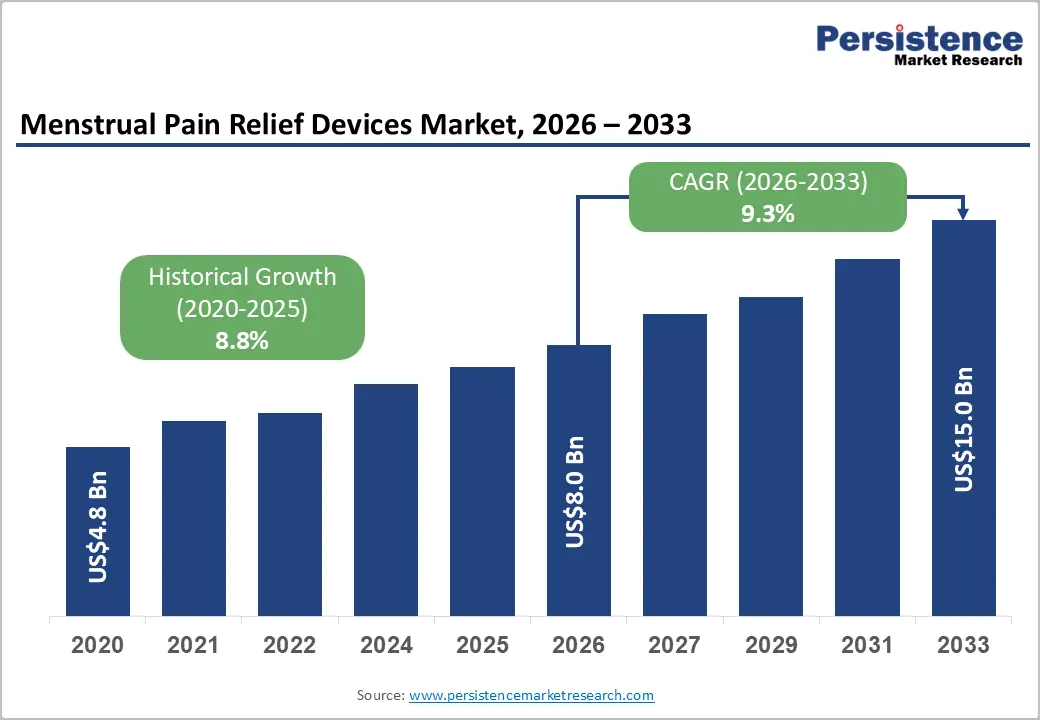
The global menstrual pain relief devices market size is likely to be valued at US$8.0 billion in 2026, and is expected to reach US$15.0 billion by 2033, growing at a CAGR of 9.3% during the forecast period from 2026 to 2033, driven by rising awareness of women's health issues, increasing preference for non-invasive and drug-free pain management solutions, growing adoption of wearable technology in femtech, and expanding access to affordable devices in emerging economies.
Increasing recognition of menstrual pain relief devices as essential for improving quality of life, reducing reliance on pharmaceuticals, and supporting holistic wellness remains a major driver of market growth in the menstrual pain relief devices market.
Key Industry Highlights:
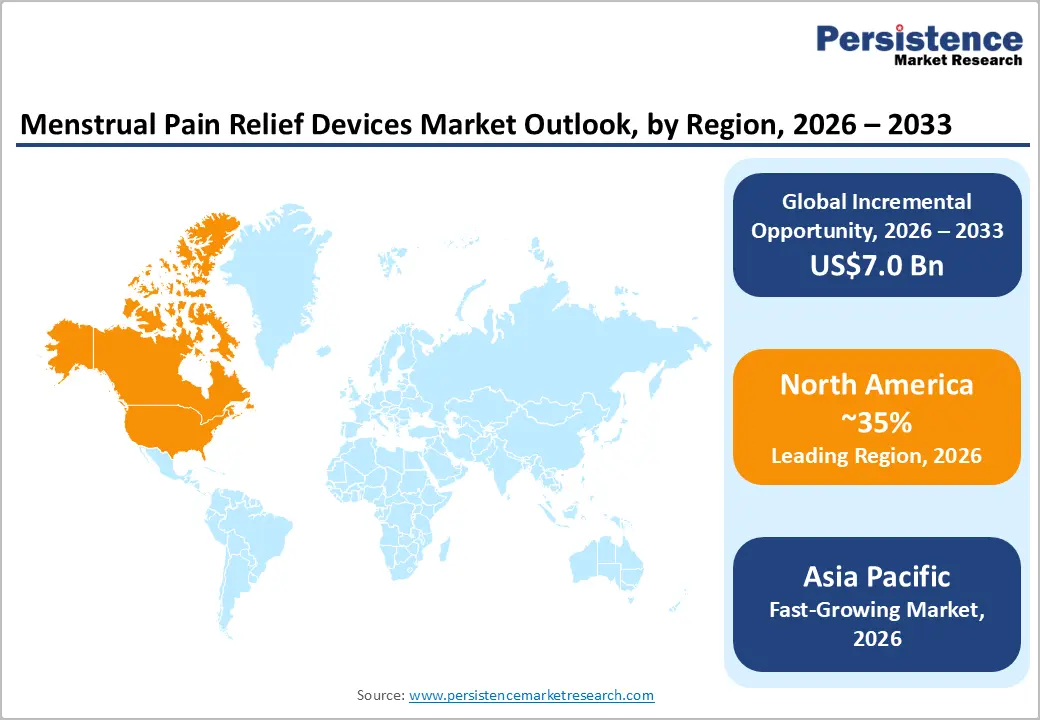
- Leading Region: North America, anticipated to account for a 35% market share in 2026, driven by high consumer awareness, advanced healthcare infrastructure, and strong e-commerce penetration in the U.S.
- Fastest-growing Region: Asia Pacific, fueled by rising disposable incomes, menstrual health campaigns, and tech-savvy youth in India and China.
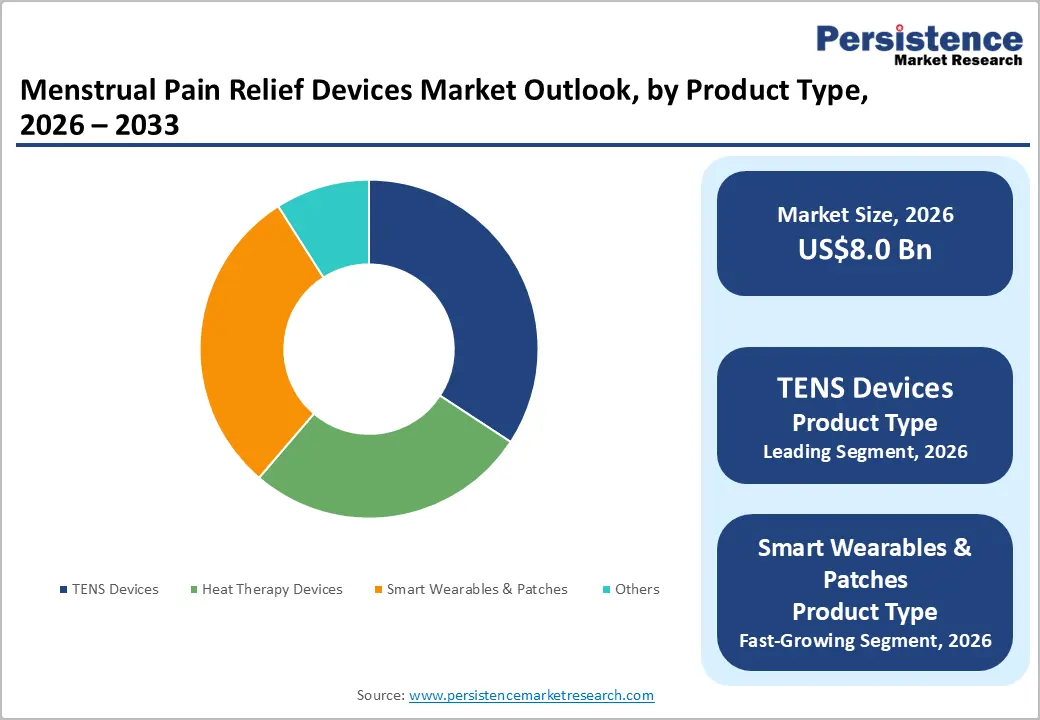
- Dominant Product Type: TENS Devices, to hold approximately 38% of the market share, due to proven efficacy and portability.
- Leading Pain Type: Primary Dysmenorrhea, contributing nearly 75% of the market revenue, as it affects most menstruating women.
| Key Insights | Details |
|---|---|
| Menstrual Pain Relief Devices Market Size (2026E) | US$8.0 Bn |
| Market Value Forecast (2033F) | US$15.0 Bn |
| Projected Growth CAGR (2026-2033) | 9.3% |
| Historical Market Growth (2020-2025) | 8.8% |
Market Factors – Growth, Barriers, and Opportunity Analysis
Growth Analysis – Rising Prevalence of Menstrual Disorders
Menstrual disorders such as dysmenorrhea, endometriosis, and polycystic ovary syndrome (PCOS) affect a large proportion of women of reproductive age worldwide. Among these conditions, dysmenorrhea, characterized by severe abdominal cramps and pelvic pain during menstruation, is one of the most common. Studies suggest that a significant percentage of women experience moderate to severe menstrual pain that can interfere with daily activities, work productivity, and overall quality of life. As awareness about these conditions increases, more women are actively seeking effective and convenient solutions to manage menstrual discomfort.
This growing need for reliable pain management has contributed to the rising demand for menstrual pain relief devices. Many individuals are exploring alternatives to conventional pain medications due to concerns about potential side effects, long-term use, and inconsistent relief.
As a result, device-based solutions such as wearable heat therapy belts, electrical nerve stimulation (TENS) devices, and portable pain-relief patches are gaining attention. These technologies provide localized, drug-free relief and allow users to manage pain discreetly while continuing their daily routines. Improved education about reproductive health and the increasing openness around discussing menstrual health have encouraged more women to adopt specialized products designed for menstrual care.
Integration with Wearable Technology
Advancements in wearable technology are transforming the way menstrual pain is monitored and managed. Modern menstrual pain relief devices are increasingly designed as compact, wearable products that can be easily attached to the lower abdomen or integrated into clothing. These devices often combine technologies such as transcutaneous electrical nerve stimulation (TENS), controlled heat therapy, and vibration to provide targeted relief from cramps. Their lightweight and discreet design allows users to continue daily activities such as working, studying, or exercising while receiving continuous pain management.
Many devices are now equipped with smart features that connect to mobile applications via Bluetooth. Through these applications, users can personalize intensity levels, monitor usage patterns, and receive recommendations based on their menstrual cycle. This level of customization improves user comfort and enhances the overall effectiveness of pain management. Some wearable solutions also track physiological indicators such as temperature or activity levels, helping users better understand patterns related to menstrual discomfort.
The integration of wearable technology also supports long-term health awareness. By collecting usage and symptom data, these devices help individuals track recurring pain patterns and manage their menstrual health more proactively.
Barrier Analysis – Limited Awareness in Developing Regions
Limited awareness in developing regions remains a significant challenge for the adoption of menstrual pain relief devices. In many countries across Asia, Africa, and parts of Latin America, menstrual health is still surrounded by social stigma and cultural taboos. Open discussions about menstrual pain and available management options are often limited. Many women rely on traditional home remedies, rest, or basic pain medications rather than exploring specialized devices designed for menstrual pain relief.
Information about innovative solutions such as wearable heat therapy belts or TENS-based pain relief devices does not always reach consumers in these regions due to limited healthcare education and lower exposure to digital health products. Healthcare providers may also prioritize basic menstrual hygiene and reproductive health awareness rather than device-based pain management solutions. Limited distribution networks and lower marketing penetration further restrict product visibility.
Affordability and Awareness Gaps
Limited affordability and awareness remain significant barriers to the widespread adoption of menstrual pain relief devices. Many advanced products, particularly wearable TENS units and smart heating devices, are priced higher than traditional pain management options such as over-the-counter medications or basic heating pads. This cost difference makes them less accessible for consumers in low- and middle-income regions, where spending on specialized healthcare devices is often limited. Many potential users continue to rely on inexpensive and easily available alternatives.
In addition to pricing concerns, awareness about device-based menstrual pain management is still relatively low in several parts of the world. Cultural stigma and limited discussion around menstrual health can prevent individuals from exploring modern pain relief solutions. In some communities, menstrual pain is often considered a normal condition that does not require targeted treatment, reducing interest in specialized devices.
Opportunity Analysis – Growing Demand for Drug-Free Pain Management
The increasing preference for non-pharmacological pain management solutions is contributing significantly to the demand for menstrual pain relief devices. Many individuals are becoming more cautious about the frequent use of pain-relief medications due to concerns related to potential side effects, long-term dependency, and gastrointestinal issues associated with certain analgesics. As awareness about these concerns grows, consumers are actively seeking safer and more natural alternatives to manage menstrual discomfort.
Drug-free pain relief devices provide an effective option by using physical methods such as heat therapy, electrical nerve stimulation, or gentle vibration to reduce cramps. These technologies work by improving blood circulation, relaxing abdominal muscles, and blocking pain signals transmitted to the brain. Since they do not rely on chemicals or medication, they are often perceived as a safer option for repeated monthly use. Supporting the demand for drug-free solutions is the broader shift toward wellness-focused lifestyles and preventive healthcare. Many consumers prefer solutions that align with holistic health practices and allow them to manage pain in a non-invasive manner.
Femtech Ecosystem Integration
The rapid expansion of digital women’s health solutions is creating new opportunities for menstrual pain relief devices to become part of a broader connected health ecosystem. Many modern devices are now designed to work alongside mobile applications, period-tracking platforms, and other digital health tools that help users monitor different aspects of their reproductive health. By linking pain-relief technologies with menstrual cycle tracking features, users can anticipate periods of discomfort and activate treatment options at the most effective time.
These integrated systems allow individuals to record symptoms such as cramp intensity, duration, and associated health indicators. The collected data can help identify recurring patterns related to menstrual cycles, lifestyle habits, and stress levels. This information supports more personalized pain management strategies and improves user engagement with self-care practices. In some cases, the data generated through these platforms can also be shared with healthcare professionals, supporting better clinical understanding of menstrual health concerns.
The integration of menstrual pain relief devices into the wider femtech ecosystem also encourages innovation in digital therapeutics, wearable technology, and personalized health solutions.
Category-wise Analysis
Product Type Insights
The TENS devices are anticipated to dominate, with a 38% share in 2026, driven by their effective and non-invasive pain management capabilities. These devices work by delivering mild electrical pulses to the lower abdomen, which help block pain signals and stimulate the release of endorphins, the body’s natural pain relievers. Their compact, portable, and wearable design allows users to manage menstrual cramps discreetly while continuing daily activities. Livia's menstrual pain relief device was developed by the company iPulse Medical.
Livia is a wearable device that uses Transcutaneous Electrical Nerve Stimulation (TENS) technology to relieve menstrual cramps by sending mild electrical pulses to the nerves in the abdominal area, helping block pain signals before they reach the brain.
Smart wearables & patches are representing the fastest growing, due to their convenience, portability, and integration with digital health technologies. These devices are designed to be lightweight and discreet, allowing users to wear them comfortably under clothing while continuing daily activities. Many smart patches combine technologies such as controlled heat therapy, electrical stimulation, and vibration to provide targeted pain relief. Connectivity with smartphone applications enables users to adjust intensity levels, track usage, and monitor menstrual cycles.
The Matri Pro device, developed by Matri, provides drug-free menstrual pain relief using low-voltage electrical stimulation in a compact wearable format designed for easy use during daily activities.
Pain Type Insights
Primary dysmenorrhea dominates the pain type segment, accounting for 75% revenue in 2026, propelled by its high prevalence among adolescents and young women. This condition is characterized by menstrual cramps that occur without an underlying medical disorder and are commonly experienced during the early years of menstruation. The large patient population creates consistent demand for accessible and effective pain management solutions. Many individuals seek non-pharmacological options such as wearable devices, heat therapy products, and TENS-based technologies to manage recurring discomfort.
Livia menstrual pain relief device developed by iPulse Medical, which is specifically designed to relieve primary dysmenorrhea (menstrual cramps). The wearable device uses Transcutaneous Electrical Nerve Stimulation (TENS) technology to block pain signals from reaching the brain and provide drug-free relief from menstrual cramps.
Secondary dysmenorrhea is likely to be the fastest-growing segment, supported by rising diagnoses of underlying gynecological conditions such as endometriosis, uterine fibroids, and pelvic inflammatory disorders. Unlike primary dysmenorrhea, this type of menstrual pain is associated with medical conditions that often cause more severe and persistent discomfort. Increasing awareness about women’s reproductive health and improved access to medical consultations are leading to earlier diagnosis and treatment.
Menstrual Relax TENS Device with Heat developed by Beurer GmbH, which is designed to provide drug-free relief from menstrual pain associated with conditions such as endometriosis, a common cause of secondary dysmenorrhea. The device combines transcutaneous electrical nerve stimulation (TENS) and heat therapy to reduce pelvic pain and muscle cramps.
Regional Insights
North America Menstrual Pain Relief Devices Market Trends
North America is projected to dominate with a 35% global share in 2026; the region benefits from high awareness of menstrual health and a strong culture of adopting innovative healthcare technologies. Consumers in countries such as the U.S. and Canada are increasingly seeking non-pharmacological solutions to manage menstrual cramps, which has contributed to the rising popularity of wearable pain relief devices, including TENS units and heat therapy patches.
The presence of well-established healthcare infrastructure and easy access to digital health products further supports market expansion. Many companies in the region actively introduce advanced wearable devices that offer customizable intensity settings, compact designs, and connectivity with mobile applications. These features make the devices convenient for everyday use, allowing individuals to manage menstrual discomfort while maintaining their normal routines. The growing influence of the femtech industry and increased discussion around women’s health issues have reduced the stigma associated with menstrual pain.
Social media platforms, wellness communities, and healthcare providers are playing an important role in spreading awareness about device-based pain management options.
Europe Menstrual Pain Relief Devices Market Trends
Europe represents a significant and steadily growing region, supported by strong healthcare systems and an increasing focus on women’s health and wellness. Many consumers across European countries are becoming more aware of menstrual health management and are actively seeking non-pharmacological solutions to relieve menstrual cramps. This has encouraged the adoption of wearable devices such as TENS units, heat therapy patches, and other compact pain relief technologies designed for convenient daily use.
Technological innovation and product development also play an important role in the region’s market growth. Several European companies are developing advanced wearable solutions that combine features such as adjustable stimulation levels, ergonomic designs, and rechargeable batteries. These improvements enhance user comfort and make menstrual pain management more practical for individuals with active lifestyles.
Asia Pacific Menstrual Pain Relief Devices Market Trends
Asia Pacific is likely to be the fastest-growing region in 2026, driven by increasing awareness of menstrual health and improving access to healthcare products. Countries such as China, Japan, South Korea, India, and Australia are witnessing rising demand for convenient and non-invasive pain management solutions. As more women become aware of available treatment options for menstrual cramps, interest in device-based therapies such as wearable TENS units, heating patches, and smart pain relief devices is gradually increasing.
Rapid urbanization and the expansion of middle-class populations in many Asia Pacific countries are also contributing to market growth. Consumers are increasingly willing to adopt modern healthcare technologies that offer comfort, portability, and ease of use. Many menstrual pain relief devices are designed to be compact and wearable, allowing individuals to manage pain while continuing their daily activities at work, school, or home. The growth of e-commerce platforms and digital retail channels has improved the accessibility of these products across the region.
Online marketplaces allow consumers to compare products, learn about device features, and purchase them conveniently. Social media and digital health platforms are also playing an important role in spreading awareness about menstrual health management.
Competitive Landscape
The global menstrual pain relief devices market is increasingly competitive as both established pharmaceutical companies and emerging femtech startups introduce innovative solutions for menstrual pain management. Large healthcare companies often leverage their strong research and development capabilities to create advanced devices with improved safety, reliability, and clinical performance. Femtech startups are driving innovation by focusing on user-friendly designs, wearable technologies, and digital connectivity features that enhance the overall user experience.
Companies in North America and Europe generally lead in product development and technological innovation due to well-developed research ecosystems and strong investment in women’s health technologies. Several Asia Pacific manufacturers are gaining traction by offering cost-effective products and expanding local production capabilities. To strengthen their market presence, many companies are adopting strategies such as digital marketing campaigns, collaborations with healthcare providers, and partnerships with online retail platforms. Sustainability initiatives, including reusable devices and eco-friendly packaging, are also becoming important as consumers increasingly seek personalized and drug-free solutions for menstrual pain relief.
Key Industry Developments:
- In May 2025, Matri launched Matri Pro, India’s slimmest dual-mode wearable period pain relief device, through its platform MyMatri.com. The device uses TENS technology to provide drug-free menstrual pain relief and features 30 adjustable intensity levels, wired and wireless modes, and a rechargeable design for personalized and convenient pain management.
Companies Covered in Menstrual Pain Relief Devices Market
- Angelini Pharma Inc.
- Ovira International
- Welme
- Myovant Sciences (Sumitovant Biopharma Ltd.)
- Chiaro Technology Ltd. (Elvie)
- FemSense
- Matri
- iPulse Medical Ltd. (Livia device manufacturer)
- Ovira (Noha TENS device)
- Beurer GmbH
- TensCare Ltd.
Frequently Asked Questions
The global menstrual pain relief devices market is projected to reach US$8.0 billion in 2026.
Key drivers include increasing prevalence of dysmenorrhea affecting 70-80% of women, demand for non-pharmacological relief to avoid NSAID side effects, and femtech investments exceeding US$1.2 billion annually. E-commerce expansion and awareness campaigns further accelerate accessible, personalized device uptake.
The menstrual pain relief devices market is poised to witness a CAGR of 9.3% from 2026 to 2033.
Opportunities lie in femtech ecosystem integrations for AI-driven personalization, expansion into Asia Pacific via affordable models, and NGO partnerships for stigma reduction in underserved areas. Subscription-based services and clinical endorsements could unlock 15-20% additional revenue streams.
Prominent players include Angelini Pharma Inc., Ovira International, Welme, Myovant Sciences, Chiaro Technology Ltd. (Elvie), FemSense, and Matri, leading through innovations in TENS and smart patches. They dominate via R&D, strategic funding, and targeted marketing in high-growth regions such as North America and Europe.


