




- Beverages
- Energy Drink Mix Powder Market
Energy Drink Mix Powder Market Size, Share, and Growth Forecast, 2025 - 2032
Energy Drink Mix Powder Market by Product Type (Electrolyte Mixes, Others), Ingredients (Natural Ingredients [Organic Sweeteners, Others], Synthetic Ingredients [Caffeine, Artificial Sweeteners, Preservatives]), Packaging Type, End-user, and Regional Analysis for 2025 - 2032

Energy Drink Mix Powder Market Size and Trends Analysis
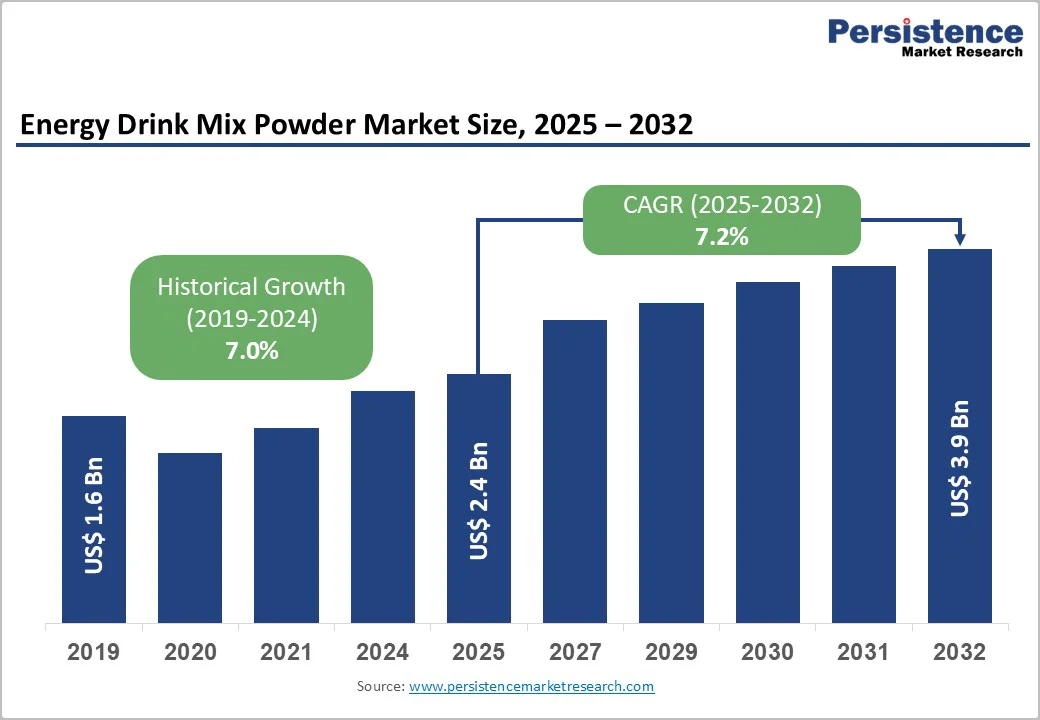
The global energy drink mix powder market size is likely to be valued at US$2.4 billion in 2025, and is expected to reach US$3.9 billion by 2032, growing at a CAGR of 7.2% during the forecast period from 2025 to 2032, driven by the increasing prevalence of active lifestyles, rising demand for convenient and customizable energy boosts, and advancements in natural ingredient formulations.
Rising demand for portable, health-focused beverages, especially among athletes, is driving adoption of energy drink mix powders, supported by herbal ingredients, eco-friendly packaging, and use for pre-workout and daily energy needs.
Key Industry Highlights:
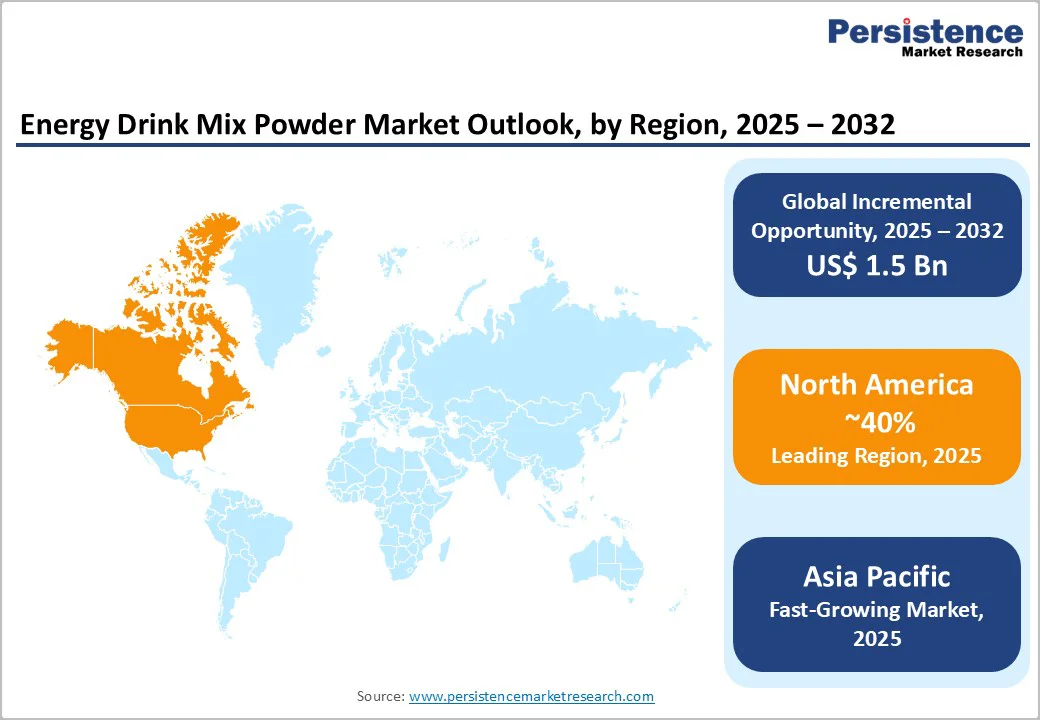
- Leading Region: North America, commanding a 40% market share in 2025, driven by high fitness culture, prevalence of gym memberships, and strong R&D activities in the U.S.
- Fastest-growing Region: Asia Pacific, fueled by increasing urbanization, rising health awareness, and growing investments in wellness products in China and India.
- Dominant Product Type: Caffeine-infused powders, holding approximately 35% of the market share, due to instant energy delivery.
- Leading Ingredients: Natural ingredients, accounting for over 50% of market revenue, driven by clean-label demands.
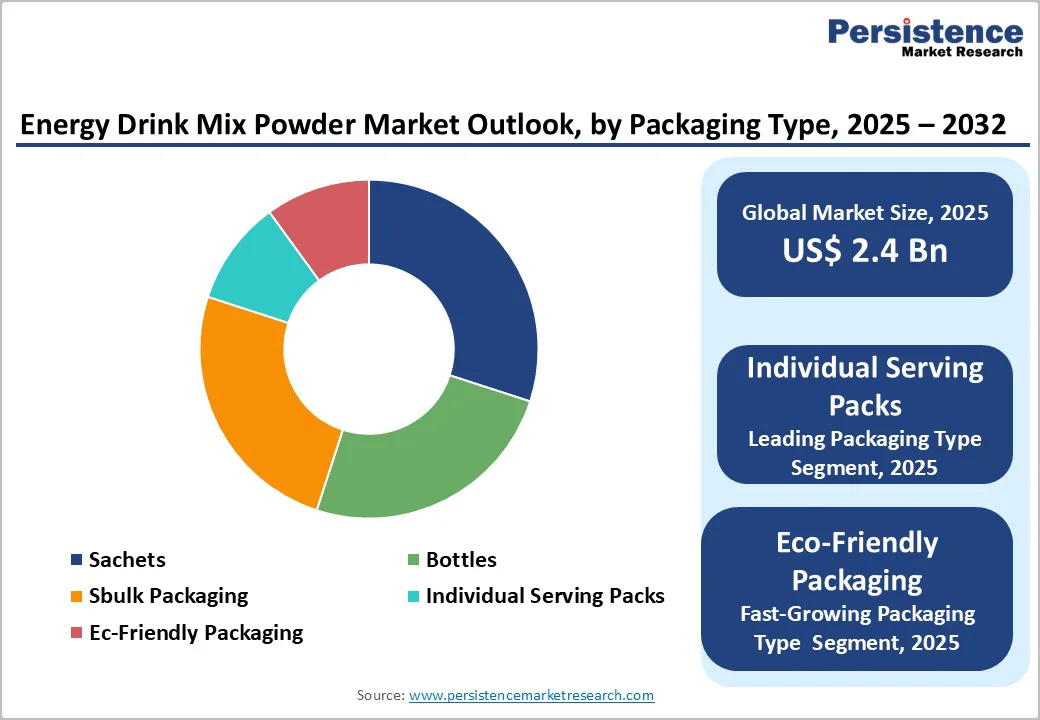
- Leading Packaging Type: Individual serving packs, contributing nearly 30% of the market revenue, due to portability.
| Key Insights | Details |
|---|---|
|
Energy Drink Mix Powder Market Size (2025E) |
US$2.4 Bn |
|
Market Value Forecast (2032F) |
US$3.9 Bn |
|
Projected Growth (CAGR 2025 to 2032) |
7.2% |
|
Historical Market Growth (CAGR 2019 to 2024) |
7.0% |
Market Factors - Growth, Barriers, and Opportunity Analysis
Rising Prevalence of Active Lifestyles and Demand for Convenient Energy Boosts
The rising prevalence of active lifestyles and the surge in demand for convenient, customizable energy-boosting powders are the primary growth drivers of the energy drink mix powder market. With global fitness participation exceeding 1 billion individuals and gym memberships growing at 5% annually, consumers are seeking portable, personalized nutrition solutions that fit their on-the-go routines. Energy drink mix powders offer unmatched flexibility, allowing users to adjust caffeine, electrolytes, and flavors to match workout intensity or daily needs, making them ideal for pre-workout rituals, post-exercise recovery, and even mental focus during long workdays.
This customization appeals particularly to millennials and Gen Z, who prioritize health optimization and sustainability in their supplement choices. The shift toward natural and functional ingredients further amplifies this trend. Over 70% of consumers now prefer products with plant-based extracts and organic sweeteners, driving innovation in herbal energy blends and protein-fortified mixes. Brands are leveraging this by launching low-sugar, vegan-friendly powders that deliver sustained energy without crashes, aligning with the broader wellness movement and regulatory pushes for transparent labeling.
High Development and Ingredient Sourcing Costs
High development and ingredient sourcing costs have become significant challenges in the energy drink mix powder market, largely due to rising expectations for cleaner, more functional formulations. Creating advanced blends with natural caffeine sources, botanical extracts, amino acids, or adaptogens requires extensive research, clinical validation, and rigorous safety testing. These processes require skilled formulation teams, specialized equipment, and multiple trial phases to ensure stability, solubility, and consistent performance, all of which increase development costs.
Ingredient sourcing is equally costly, especially as consumers increasingly demand organic, sustainably harvested, and non-GMO ingredients. Natural extracts such as ginseng, guarana, or matcha often require complex cultivation methods, careful processing, and certification from regulatory bodies. Global supply chain disruptions, fluctuating crop yields, and increased demand for plant-based ingredients further drive up raw material prices. Maintaining transparency and quality across suppliers involves audits, ethical sourcing commitments, and compliance with strict regional standards. For brands aiming to produce eco-friendly packaging, the move toward biodegradable or recyclable materials also raises manufacturing costs.
Advancements in Natural Ingredient Formulations and Eco-Friendly Packaging
Advancements in natural ingredient formulations and eco-friendly packaging are reshaping the energy drink mix powder market, driven by rising consumer awareness of health, safety, and environmental impact. Brands are increasingly replacing artificial stimulants, sweeteners, and colors with plant-based alternatives such as green tea extract, guarana, yerba mate, ginseng, and adaptogens. These natural ingredients offer smoother, sustained energy release, better nutrient absorption, and fewer side effects, making them especially attractive to wellness-focused consumers. Companies are refining extraction techniques to preserve bioactive compounds, enhance purity, and improve taste without relying on synthetic additives.
Sustainability has become a powerful driver of purchase, pushing manufacturers to rethink packaging materials. Advances in biodegradable films, compostable sachets, and recyclable paper-based tubes are reducing environmental footprint while maintaining product freshness and shelf stability. Some brands are also adopting refillable container systems and using water-based inks or reduced-plastic laminates to minimize waste further.
Category-wise Analysis
Product Type Insights
Caffeine-infused powders dominate with a 35% share in 2025, as they provide quick, reliable energy that appeals to a broad audience, from students to athletes. Their fast absorption, familiar taste profiles, and affordability make them a preferred choice. Brands also offer varied caffeine strengths and flavors, increasing accessibility and reinforcing their strong market presence. For example, MuscleBlaze Pre Workout 200 Xtreme is a popular powdered pre-workout energy supplement with caffeine and other performance-enhancing ingredients, widely bought by athletes and fitness enthusiasts for quick energy and focus before workouts.
Herbal and natural extract powders are the fastest-growing, as consumers seek clean-label, plant-based energy solutions. Ingredients such as ginseng, ashwagandha, and green tea provide smoother, sustained energy release compared to synthetic stimulants. Their perceived safety, holistic benefits, and alignment with wellness trends make these extracts increasingly popular among health-conscious buyers looking for natural performance support. For example, the National Center for Complementary and Integrative Health (NCCIH) reports a significant rise in consumer use of natural and herbal supplements, including green tea extract, ginseng, and ashwagandha, driven by growing interest in “natural energy, improved focus, and overall wellness.
Ingredients Insights
Natural ingredients lead with a 50% share, driven by consumers increasingly preferring clean, plant-based formulations. Organic sweeteners, herbal extracts, and botanical caffeine sources such as green tea and guarana appeal to health-focused buyers seeking safer, additive-free energy options. This shift toward purity and transparency boosts trust, making natural ingredient blends the dominant choice in the market. For example, the U.S. Food and Drug Administration (FDA) has publicly listed Catechins from green tea extract as Generally Recognized as Safe (GRAS) for use as an ingredient in beverages such as bottled teas, sports drinks, soft drinks, and juices under current good manufacturing practices.
Synthetic ingredients are the fastest-growing, because they offer a cost-effective way to deliver strong energy-boosting effects in mass-market products. Affordable synthetic caffeine, stabilizers, and preservatives help brands maintain consistent taste, longer shelf life, and competitive pricing. This makes synthetic-based formulations highly attractive for large-scale distribution and budget-conscious consumers seeking reliable performance. For example, Health Canada, the official Canadian government food safety authority, has officially authorized the use of synthetic caffeine as a food additive in non-cola soft drinks, allowing manufacturers to add synthetic caffeine up to regulated safe limits (150 ppm in non-cola soft drinks).
Packaging Type Insights
Individual serving packs hold 30% share, due to their convenience, portability, and precise portion control. Consumers prefer these single-use sachets for on-the-go energy needs, whether at the gym, in the office, or while traveling. They eliminate the hassle of measuring, ensure consistent dosing, and support hygienic, easy-to-carry usage, making them especially popular among busy and active individuals. For example, the U.S. FDA highlights that single-serve food packages help support accurate portion control and reduce contamination risk, making them widely adopted in nutrition and supplement products.
Eco-friendly packaging is the fastest-growing due to consumers prioritizing sustainability in purchasing decisions, pushing brands toward biodegradable, recyclable, and reduced-plastic materials that appeal to environmentally conscious buyers. Governments are reinforcing this shift through policies that require packaging to be reusable or recyclable and minimize waste, encouraging companies to adopt green materials and innovate responsibly. For example, the European Union’s Packaging and Packaging Waste Regulation (PPWR) mandates that all packaging on the EU market must be recyclable and reusable by 2030, promoting sustainable design and reducing environmental impact.
End-user Insights
Athletes and fitness enthusiasts account for about 35% of revenue, seeking products that support improved stamina, faster recovery, and enhanced workout performance. Gym-goers, runners, cyclists, and other endurance athletes often use ergogenic aids (sports nutrition supplements) to fuel intense training, maintain energy, and assist recovery. Government health agencies recognize that many such ingredients, such as protein, amino acids, caffeine, and creatine, are commonly used by athletes to support performance, endurance, and training adaptations, as shown in official dietary supplement guidance. For example, the U.S. NIH Office of Dietary Supplements (ODS) fact sheet on Dietary Supplements for Exercise and Athletic Performance notes that two-thirds of elite track and field athletes use one or more supplements (e.g., protein, amino acids, caffeine) to enhance strength, endurance, and performance.
Students and professionals are the fastest-growing, driven by long study hours, remote work, and multitasking, which increases the need for sustained focus. These consumers prefer quick, portable mixes that improve alertness without heavy sugar or crashes. Clean-label caffeine, nootropics, and balanced electrolytes make these products ideal for productivity-driven daily routines. For instance, according to the U.S. National Library of Medicine (NIH Bookshelf), a reliable government-linked source, caffeine stimulates the central nervous system, enhancing alertness and reducing drowsiness, thereby helping individuals stay attentive and awake during demanding activities.
Regional Insights
North America Energy Drink Mix Powder Market Trends
North America is leading in the market, accounting for 40% global share in 2025, led by the U.S. fitness culture and premium supplement demand. Consumers here prioritize formulations that support high-intensity activity, whether in endurance sports or gym training, and brands respond by offering precisely dosed blends with caffeine, electrolytes, amino acids, and B-vitamins. There is a growing appetite for powders that support not only short-term energy boosts but also sustained performance and recovery.
Rising health-consciousness is fueling demand for cleaner formulations, with companies replacing artificial sweeteners with natural alternatives and lowering sugar levels. Plant-based caffeine sources, such as green tea and guarana, are gaining popularity, while adaptogens such as maca and ashwagandha are being incorporated to enhance stress resilience.
Personalization is also emerging strongly in the North America market. Many brands offer customizable packets or “mix-yourself” kits, allowing athletes to tailor the ratio of stimulants, electrolytes, and other functional ingredients. Subscription-based e-commerce models further enhance customer loyalty, with frequent users opting for regular deliveries. Marketing strategies often involve partnerships with fitness influencers, sports teams, and nutrition coaches to build brand credibility and trust. Packaging innovations such as compostable sachets or recyclable tubs are gaining ground too, aligning with consumers’ environmental concerns.
Europe Energy Drink Mix Powder Market Trends
Europe holds a 20% share in 2025, driven by strict clean-label regulations and wellness brands in Germany, France, and the Netherlands. European consumers increasingly demand energy supplements that feel clean and natural. This is boosting the popularity of formulations made with botanical caffeine sources such as guarana, green coffee, or yerba mate, as well as adaptogens such as ginseng or ashwagandha. Many new blends are low in sugar or use natural sweeteners, aligning with growing health-consciousness and dietary trends.
Regulations are stricter in Europe than in many other regions, which shapes how companies formulate their powders. For example, clear and transparent labeling is essential, and there is increasing scrutiny of stimulants and additives. This regulatory environment encourages brands to innovate with safe, tested ingredients. Sustainability is another core trend: more companies are using recyclable packaging or reduced-plastic sachets, and some highlight ethical sourcing of botanical ingredients. On the marketing side, energy mix brands are partnering with fitness studios, wellness apps, and nutrition coaches to reach consumers who care about both performance and health.
Asia Pacific Energy Drink Mix Powder Market Trends
Asia Pacific is the fastest-growing region, led by China and India. A growing youth population, rising participation in fitness activities, and longer working hours are pushing demand for portable, easy-to-mix energy solutions. One of the most prominent trends is the shift toward natural and clean-label formulations, with buyers preferring plant-based caffeine from green tea, guarana, or coffee beans instead of synthetic stimulants.
Local flavor innovation is another defining characteristic of the region. Brands are introducing options inspired by regional tastes such as lychee, mango, lemon-mint, and herbal blends to appeal to cultural preferences. Affordability remains crucial, driving the popularity of small sachets and multi-serve pouches designed for cost-sensitive consumers. E-commerce plays a major role in market growth, as online platforms make it easier for emerging brands to reach customers across urban and semi-urban areas. Influencer marketing, particularly through fitness creators, is also strengthening brand awareness.
Competitive Landscape
The global energy drink mix powder market is competitive, led by North American brands such as GU Energy Labs and AdvoCare, and by growing Asian players such as MECOSON LABS. Clean-label, plant-based formulations, natural caffeine sources, and performance-focused blends for athletes and active consumers drive market growth. Brands are removing artificial sweeteners, reducing sugar, and emphasizing natural ingredients. Collaborations with fitness influencers and sustainable packaging practices enhance brand trust and appeal to health- and eco-conscious buyers, while regionally inspired flavors cater to local preferences, supporting market expansion.
Key Industry Developments
- In April 2025, Centrum expanded its product portfolio by launching Centrum Recharge, an energy drink mix. This initiative targets health-conscious consumers by providing a convenient solution to replenish essential vitamins and minerals, supporting energy, immunity, and hydration, while strengthening Centrum’s presence in the functional beverage market.
- In March 2025, Herbalife International of America, Inc. introduced eco-friendly sachet packaging for its electrolyte mix, reducing plastic use by 40%.
Companies Covered in Energy Drink Mix Powder Market
- Amway India Enterprises
- Herbalife International of America, Inc.
- GU Energy Labs
- AdvoCare
- Torg
- Mecoson Labs Private Limited
- Erva Foods & Beverages
- ZOIC HEALTHCARE
- Fairnatural GmbH
Frequently Asked Questions
The global energy drink mix powder market is projected to reach US$2.4 billion in 2025.
Rising prevalence of active lifestyles and demand for convenient, customizable energy boosts are the primary growth drivers.
The market is expected to grow at a CAGR of 7.2% from 2025 to 2032.
Expansion in protein-enhanced and herbal variants creates strong opportunities for personalized nutrition and wellness products.
Key players include Amway India Enterprises, Herbalife International of America, Inc., GU Energy Labs, AdvoCare, and Mecoson Labs Private Limited.


