




- Processed Food
- Global Egg-Based Breakfast Bars Market
Global Egg-Based Breakfast Bars Market Size, Share, and Growth Forecast 2026 - 2033
Egg-Based Breakfast Bars Market by Nature (Organic, Conventional), by Flavours (Chocolate, Coffee, Vanilla, Dry-fruit based, Others), by End-use (Foodservice Industry, Retail/Household), by Distribution Channel, by Regional Analysis, 2026-2033

Market Overview
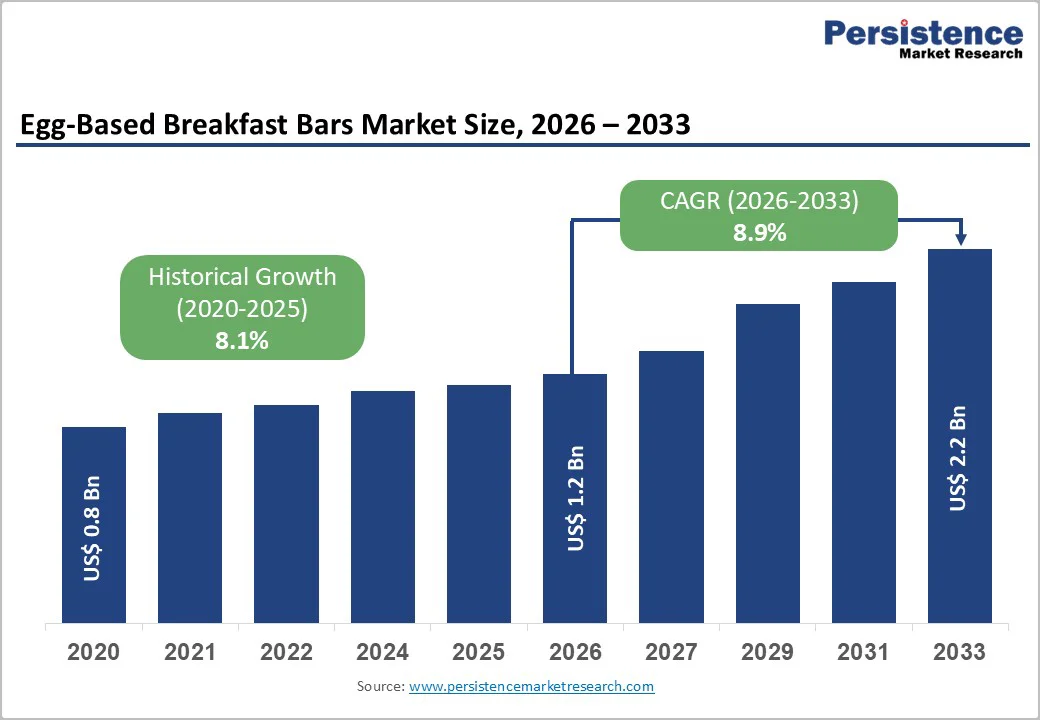
The global egg-based breakfast bars market size is expected to be valued at US$ 1.2 billion in 2026 and projected to reach US$ 2.2 billion by 2033, growing at a CAGR of 8.9% between 2026 and 2033.
The egg-based breakfast bars market is growing as consumers look for healthy, protein-rich, and convenient breakfast options. These bars are made using eggs as a key ingredient, offering natural protein, better satiety, and clean nutrition. Busy lifestyles, long working hours, and rising health awareness are pushing demand for ready-to-eat breakfast products, especially among working professionals, fitness-focused consumers, and students. Egg-based bars are also preferred over sugary cereal bars due to their balanced nutrition and lower carbohydrate content.
Key trends in the market include the launch of high-protein and clean-label products with fewer artificial ingredients. Brands are introducing new flavors such as chocolate, coffee, and dry-fruit blends to attract a broader audience. The growth of e-commerce and health food stores is improving accessibility, while the Asia-Pacific region is emerging as a fast-growing one due to urbanization and changing dietary habits.
Key Industry Highlights
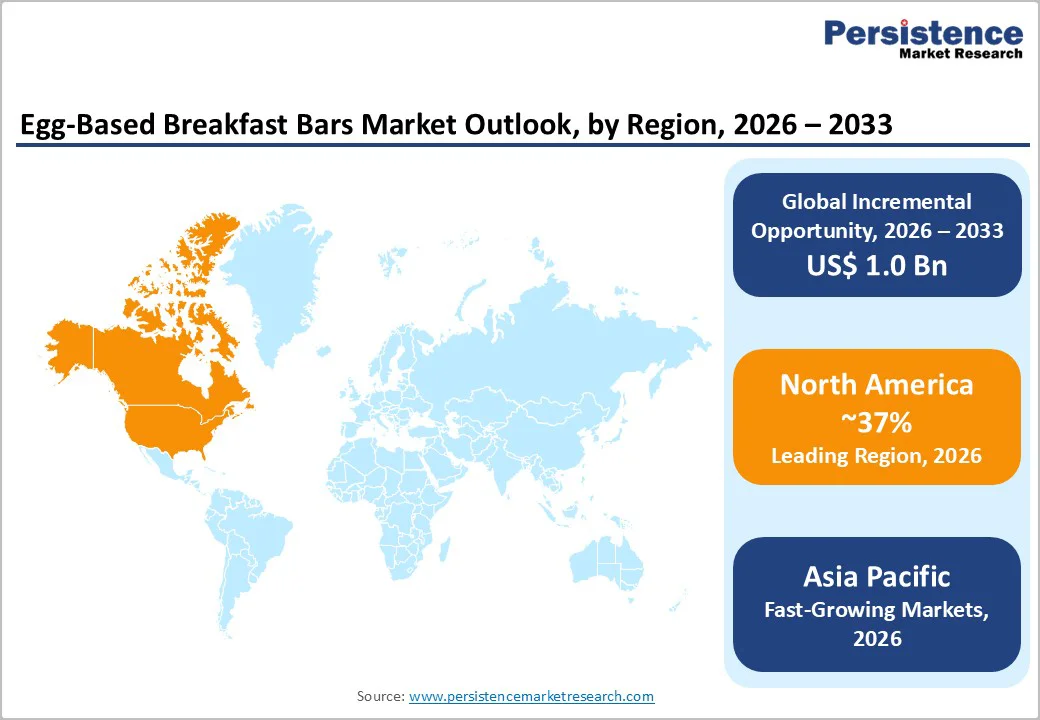
- Leading Region: North America leads the global egg-based breakfast bars market, driven by strong protein-snacking culture, high retail penetration, and clean-label consumer preference.
- Fastest Growing Region: Asia Pacific is the fastest-growing region, supported by urbanization, busy lifestyles, rising health awareness, and the rapid expansion of e-commerce platforms.
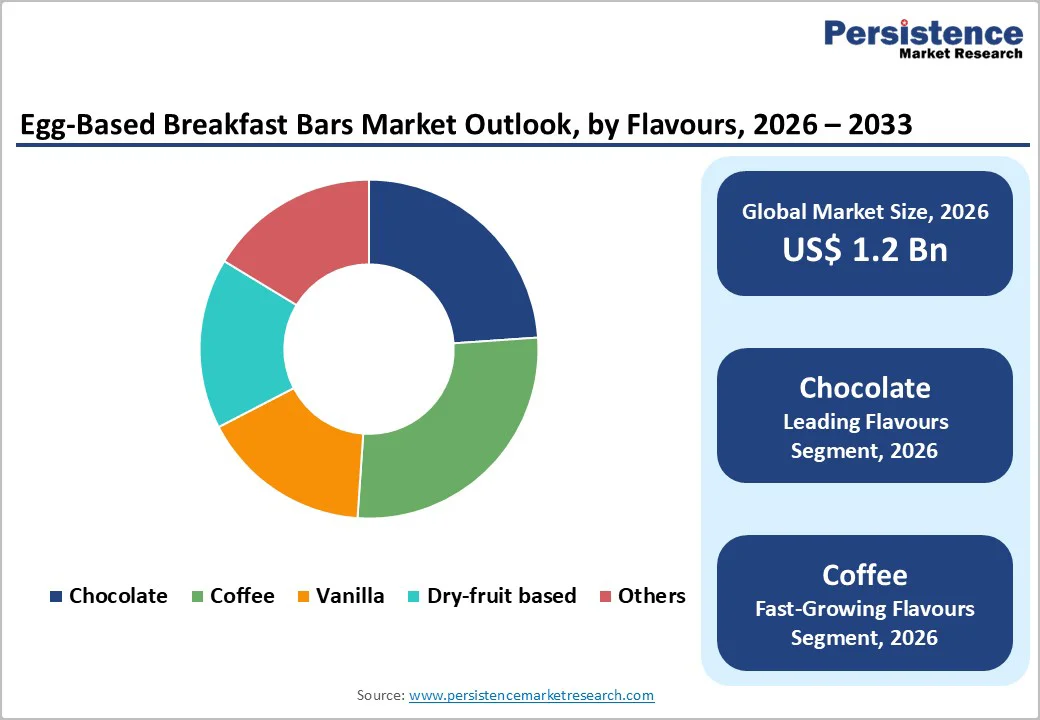
- Dominant Segment: Chocolate remains the dominant flavor segment, benefiting from broad consumer appeal, indulgent taste profile, and strong acceptance in protein and breakfast bars.
- Fastest Growing Segment: Online distribution channels are the fastest growing, driven by home delivery convenience, subscription models, and rising digital grocery adoption among urban consumers.
| Global Market Attributes | Key Insights |
|---|---|
| Egg-Based Breakfast Bars Market Size (2026E) | US$ 1.2 Bn |
| Market Value Forecast (2033F) | US$ 2.2 Bn |
| Projected Growth (CAGR 2026 to 2033) | 8.9% |
| Historical Market Growth (CAGR 2020 to 2024) | 8.1% |
Market Dynamics
Driver – Surging demand for high-protein, nutrient-dense portable breakfasts
Consumer eating habits are shifting toward convenient yet nutritious breakfast solutions, driven by busy work schedules, fitness awareness, and the need for sustained energy throughout the day. Egg-based breakfast bars are well-positioned in this shift, as eggs naturally provide complete, high-quality protein containing all nine essential amino acids. Compared with traditional cereal- or grain-based bars, egg-based formats deliver greater satiety and help manage mid-morning hunger, making them attractive to professionals, students, and active consumers. Nutritional studies consistently show that egg consumption increases intake of key nutrients, including choline, vitamin D, and vitamin A, which remain underconsumed in many diets.
Institutional demand further strengthens market growth. USDA-supported nutrition programs, including child and school meal initiatives, increasingly recognize eggs as nutrient-dense replacements for refined grains. In the retail segment, clean, simple formulations, such as egg-white-based bars offering 10–12 grams of protein per serving, align well with modern dietary guidelines. Fitness enthusiasts and parents value these bars for muscle support, energy balance, and convenience. The combination of strong nutritional credibility, portability, and compatibility with health-focused lifestyles continues to drive repeat purchases and long-term market expansion.
Restraints – Allergen concerns and clean-label scrutiny
Despite strong nutritional appeal, egg-based breakfast bars face limitations due to allergen concerns and increasing clean-label scrutiny. Egg allergies affect a meaningful portion of the global population, particularly children, leading to strict labeling requirements and cautious purchasing behavior. For households managing food allergies, egg-based products are often excluded entirely, narrowing the addressable consumer base. Regulatory mandates around allergen disclosure add compliance complexity for manufacturers, especially when cross-contamination risks exist in shared production facilities.
In parallel, consumer expectations around ingredient transparency are intensifying. Shoppers increasingly demand clear sourcing, minimal processing, and recognizable ingredients, placing pressure on brands to justify egg sourcing methods and processing techniques. Any perception of artificial additives, preservatives, or unclear supply chains can negatively impact trust. At the same time, plant-based and vegan breakfast bars are gaining popularity, supported by ethical, environmental, and lifestyle-driven choices. These alternatives compete directly with egg-based formats, particularly among younger consumers. As a result, even though egg-based bars offer superior protein quality, allergen sensitivity and evolving consumer perceptions continue to restrain adoption, requiring careful positioning, transparent labeling, and targeted marketing strategies.
Opportunity – Coffee and exotic flavor expansions for on-the-go urban consumers
Flavor innovation represents a major growth opportunity for the egg-based breakfast bars market, particularly among urban, on-the-go consumers. Coffee-flavored bars combine functional nutrition with familiar morning routines, offering both protein and mild caffeine stimulation in a single format. Mocha and coffee-infused bars appeal strongly to professionals seeking quick breakfasts that deliver energy without compromising nutrition. This fusion of convenience, indulgence, and functionality supports premium positioning and repeat consumption.
Beyond coffee, demand for vanilla, dry fruit, and exotic flavor blends is rising as consumers seek variety without sacrificing health benefits. In the Asia Pacific, rapid urbanization and changing snacking habits are accelerating growth in portable breakfast and energy bars. Expanding retail, vending, and foodservice distribution channels further support adoption in offices, schools, and transit hubs. Manufacturers can leverage egg bases with globally appealing flavors to balance indulgence and nutrition, attracting consumers seeking taste alongside protein. Partnerships with cafés, corporate cafeterias, and institutional feeding programs also present untapped potential. By aligning functional nutrition with evolving flavor preferences and urban lifestyles, egg-based breakfast bars can unlock new consumer segments and sustain long-term growth.
Category-wise Analysis
Flavours Analysis
Chocolate remains the leading flavor in the egg-based breakfast bars market, accounting for an 30% share in 2025. Its dominance reflects long-standing consumer preference for chocolate in protein bars and nutrition bars, particularly in the U.S. and Canada where chocolate chip variants consistently rank among top sellers. In egg-based formulations, chocolate plays an important role in enhancing taste appeal by balancing the neutral flavor profile of egg whites, helping improve overall palatability. Dark chocolate variants are gaining momentum, supported by growing interest in reduced-sugar and antioxidant-rich options, and are expanding at a steady growth rate. Consumer inclination toward premium chocolate products also supports combinations with nuts and dry fruits, aligning with breakfast routines that emphasize satiety and sustained energy. Multipack offerings and assorted flavor boxes sold through large retail chains further boost volume sales, reinforcing chocolate’s leadership over emerging flavors such as coffee and vanilla.
Distribution Channel Analysis
Hypermarkets and supermarkets dominate the distribution of egg-based breakfast bars, capturing around 45% of the market in 2025. Their strong position is supported by high footfall, broad product visibility, and effective promotional strategies such as bundle pricing and in-store sampling. These retail formats encourage impulse purchases, particularly when breakfast bars are placed near cereals, dairy alternatives, or health snack aisles. In North America, established grocery chains play a key role in driving volume sales, while in the Asia Pacific, modern retail expansion supports similar buying patterns. Egg-based bars benefit from competitive pricing and wide availability in these outlets, appealing to families and routine grocery shoppers. Rising egg consumption trends and demand for protein-rich breakfasts further support retail sales momentum. End-cap displays and promotional campaigns help introduce new flavors and formats, making hypermarkets and supermarkets the preferred channel for both established brands and new market entrants.
Region-wise Insights
North America Egg-Based Breakfast Bars Market Trends
North America accounts for the largest share of the egg-based breakfast bars market, holding around 37% in 2025. The region’s leadership is strongly influenced by the United States, where protein-focused snacking and breakfast replacement habits are well established. Eggs are widely recognized in federal nutrition programs, including CACFP, reinforcing their acceptance as a nutrient-dense breakfast ingredient. Branded products such as egg-white protein bars have gained wide distribution across major retailers like Target and Kroger, highlighting strong retail penetration. Regulatory oversight by the FDA and USDA supports consumer confidence through strict food safety and labeling standards, encouraging clean-label product development. Flavor preferences lean toward chocolate and fruit combinations, aligning indulgence with nutrition. Additionally, rising participation in fitness and wellness activities continues to push demand for high-protein convenience foods. School breakfast programs and busy urban lifestyles further sustain steady volume growth for egg-based bars across the region.
Asia and Pacific Egg-Based Breakfast Bars Market Trends
Asia Pacific is the fastest-growing market for egg-based breakfast bars, supported by rapid urbanization and changing eating habits across China, Japan, India, and Southeast Asia. As work schedules intensify, traditional breakfasts are increasingly replaced by portable, ready-to-eat options. Local brands in India and Southeast Asia are introducing egg-based bars with dry fruits and regionally familiar flavors to appeal to urban professionals. The region benefits from cost-efficient egg production, enabling competitively priced products and wider consumer reach. China remains the largest contributor, driven by strong retail and online food sales ecosystems. E-commerce platforms play a critical role in expanding access to premium flavors such as chocolate and coffee, especially in urban centers. Growing health awareness, rising disposable incomes, and the popularity of protein-enriched snacks are collectively accelerating adoption. These factors position the Asia Pacific as a key growth engine for egg-based breakfast bars over the coming years.
Market Competitive Landscape
The egg-based breakfast bars market remains fragmented, blending global giants like Kellogg's, General Mills, Mars with niche players such as Rxbar, Vital Farms, Yoga Bar. Leaders pursue R&D for high-protein (12g+) clean-label innovations, flavor expansions like coffee/mocha, and organic certifications under EU/USDA standards. Differentiators include egg whites for superior nutrition versus plant proteins, with D2C/e-commerce models and foodservice bundles emerging. Expansion targets Asia Pacific via localized dry-fruit variants.
Key Industry Developments:
- In July 2025, Black Rock Coffee Bar, recognized for its premium roasted coffees, teas, blended Chillers, and Fuel energy drinks, announced the launch of its new protein-rich Egg Bites.
Companies Covered in Global Egg-Based Breakfast Bars Market
- Scrambler
- Kellogg’s
- Vital Farms
- Alpen And Jordan
- Rxbar
- EAT anytime
- UNIBIC Food India Pvt. Ltd.
- Yoga Bar
- General Mills
- NuGo Nutritions
- Googys
- Cliff Bars
- Earnest Eats
- Mars
- Others
Frequently Asked Questions
The global market is projected to be valued at US$ 1.2 Bn in 2026.
High-protein nutrition from eggs addresses choline/vitamin D gaps, with CACFP enabling school/office use.
The global market is expected to witness a CAGR of 8.9% between 2026 and 2033.
Expansion of high-protein functional bars, innovative flavors, clean-label formulations, e-commerce growth, and rising demand for convenient healthy breakfasts.
Kellogg's, Rxbar, General Mills, Vital Farms, Yoga Bar lead with egg-protein innovations.


