




- Nutraceuticals & Functional Foods
- Chrysin Extract Market
Chrysin Extract Market Size, Share, and Growth Forecast, 2025 - 2032
Chrysin Extract Market by Product Type (Passion Flower, Bee Propolis), Application (Dietary Supplements, Pharmaceuticals, Others), End-user (Health and Wellness Industry, Pharmaceutical Industry, Others), and Regional Analysis for 2025 – 2032

Chrysin Extract Market Size and Trends Analysis
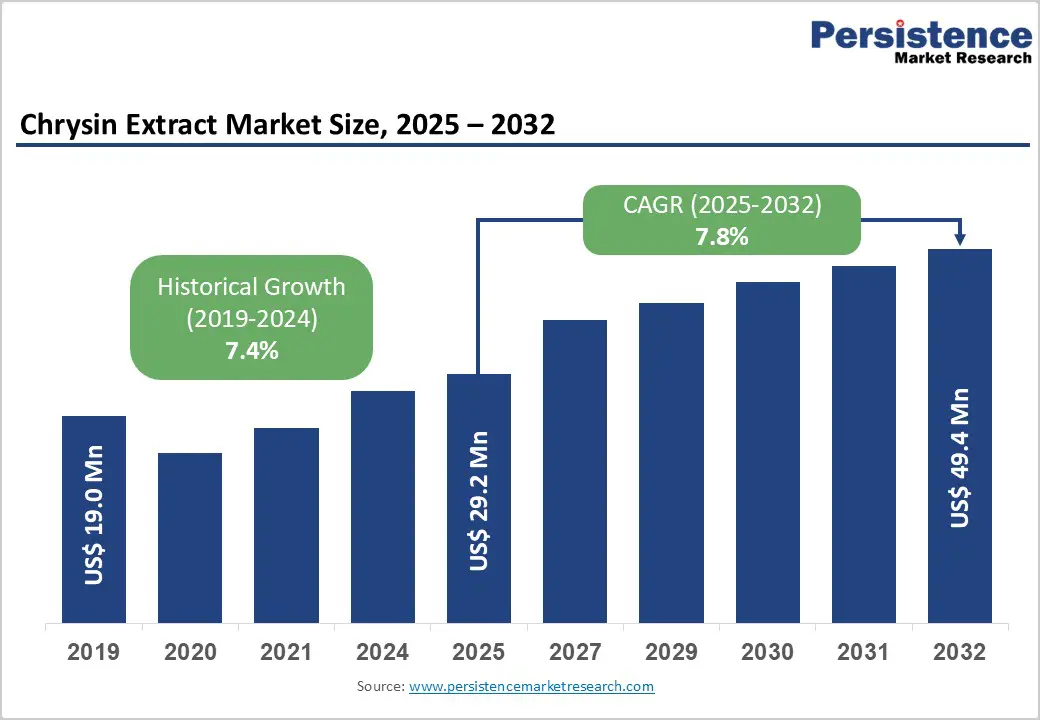
The global chrysin extract market size is likely to be valued at US$29.2 million in 2025, projected to reach US$49.4 million by 2032, growing at a CAGR of 7.8% during the forecast period from 2025 to 2032, driven by the increasing prevalence of natural antioxidant demand in dietary supplements, rising consumer preference for anti-inflammatory ingredients in skincare, and advancements in extraction technologies. The growing demand for bioactive flavonoids, particularly in pharmaceuticals, is driving the adoption of chrysin extract. Innovations in passion flower and bee propolis as sources of chrysin are fueling market growth, with consumers seeking pure, versatile options. Chrysin's benefits in promoting hormone balance and supporting immune health, especially in wellness products, are key drivers behind its expanding market trends.
Key Industry Highlights:
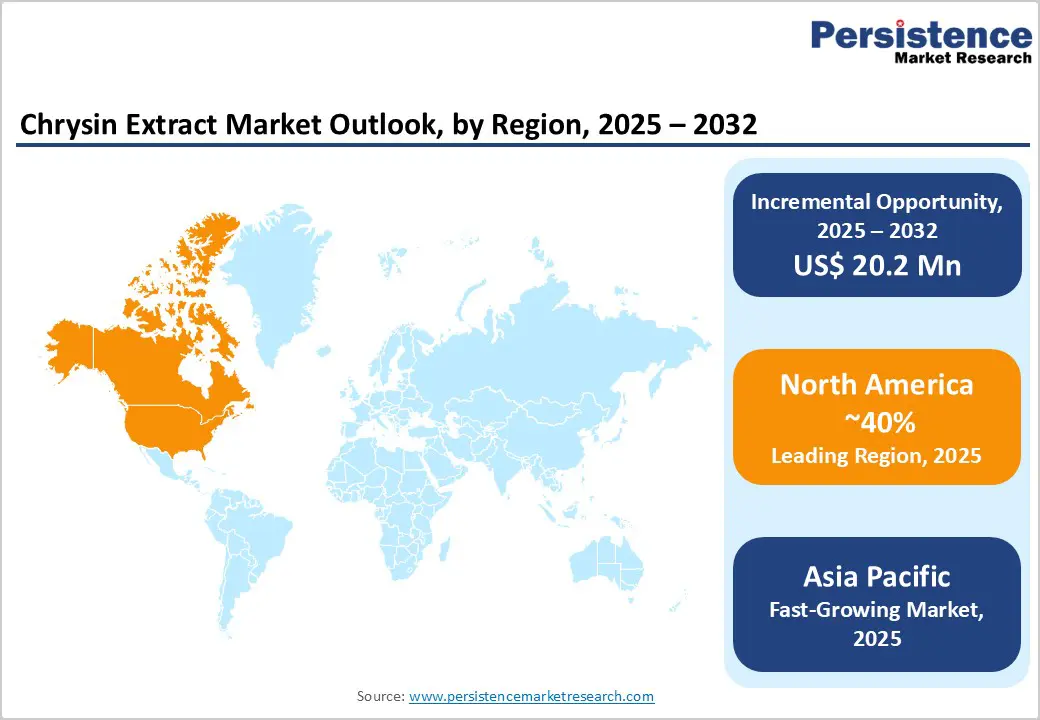
- Leading Region: North America, commanding a 40% market share in 2025, driven by advanced nutraceutical production, high prevalence of supplement consumption, and strong R&D activities in the U.S.
- Fastest-growing Region: Asia Pacific, fueled by increasing health-conscious consumers, rising awareness of natural remedies, and growing investments in cosmetics in China and India.
- Dominant Product Type: Passion flower, holding approximately 55% of the market share, due to its high bioavailability.
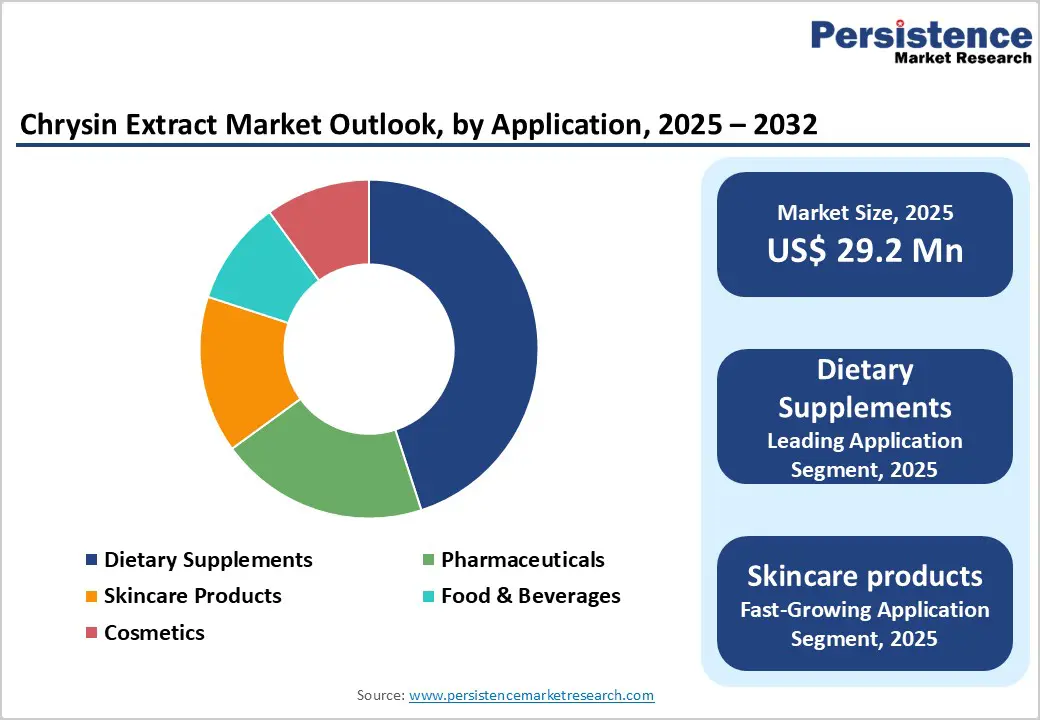
- Leading Application: Dietary supplements, accounting for over 45% of market revenue, driven by antioxidant benefits.
- Leading End-user: Health and wellness industry, contributing nearly 35% of market revenue, due to functional foods.
- Key Market Driver: Rising demand for natural anti-inflammatory and hormone-balancing compounds is accelerating chrysin extract adoption in supplements and skincare, as chrysin is becoming more recognized for its anti-inflammatory benefits in skincare products.
- Market Opportunity: Growing applications in pharmaceuticals and functional cosmetics are creating strong demand for high-purity chrysin extract variants.
| Key Insights | Details |
|---|---|
|
Chrysin Extract Market Size (2025E) |
US$29.2 Mn |
|
Market Value Forecast (2032F) |
US$49.4 Mn |
|
Projected Growth (CAGR 2025 to 2032) |
7.8% |
|
Historical Market Growth (CAGR 2019 to 2024) |
7.4% |
Market Factors – Growth, Barriers, and Opportunity Analysis
Rising Demand for Natural Antioxidants and Anti-Inflammatory Ingredients
The rising prevalence of natural antioxidant demand in the dietary supplements sector, combined with growing interest in anti-inflammatory ingredients within skincare, is significantly reshaping the bioactive compound landscape across multiple industries. Consumers worldwide are increasingly prioritizing clean-label products that deliver science-backed health benefits while offering gentle, effective solutions for daily wellness. Chrysin extract, a flavonoid powerhouse derived from passion flower and bee propolis, fits perfectly into this narrative with its proven ability to support hormone balance, reduce inflammation, and combat oxidative stress. The global nutraceutical market expansion, coupled with rising health awareness post-pandemic, has amplified interest in potent natural extracts such as chrysin, particularly among millennials and Gen Z who seek hormone-supporting, anti-aging options.
Chrysin extract is increasingly recognized for its skin-brightening and protective properties, making it a key ingredient in serums, creams, and masks designed to address hyperpigmentation and environmental damage. Its pharmaceutical potential is also expanding, with applications in hormone therapy and immune system support. Known for its gentle, non-irritating nature, chrysin is highly sought after in cosmetics, from soothing balms to functional moisturizers. Its sustainability profile resonates with eco-conscious brands. The growing popularity of chrysin is evident in the rise of under-eye treatments, such as Haloxyl™, a Croda/Sederma complex that combines chrysin with matrikines to reduce dark circles and is now featured in numerous high-end eye serums.
High Development and Supply Chain Volatility Costs
The high costs associated with development and supply chain volatility of chrysin extract pose a significant restraint on market growth. As a niche flavonoid sourced primarily from passion flower vines and bee propolis, chrysin faces challenges in consistent quality and volume scaling. Extraction and purification require specialized supercritical CO2 or solvent methods to isolate bioactive levels, driving up operational expenses for processors. Limited cultivation regions and vulnerability to climate variability, such as droughts affecting passion flower yields, further exacerbate supply inconsistencies, leading to price fluctuations that deter large-scale adoption by supplement manufacturers and cosmetic brands.
Regulatory hurdles also add complexity, as chrysin extract must navigate stringent GRAS status, heavy metal testing, and allergen labeling in the key markets such as the U.S. and the EU. Compliance with these standards increases development timelines and costs, particularly for new product formulations. While these factors ensure quality, they create barriers for emerging players and slow market penetration in price-sensitive segments.
Growth of Nutraceuticals & Dietary Supplements
The growth of nutraceuticals and dietary supplements presents a strong opportunity for the chrysin extract market. Consumers worldwide are increasingly turning toward natural, plant-based compounds to support overall wellness, shifting preference away from synthetic ingredients. Chrysin, known for its antioxidant, anti-inflammatory, and potential hormone-modulating properties, fits well into this trend. It is widely used in supplements targeting stress reduction, improved sleep quality, enhanced immunity, and hormone balance, including testosterone support, an area gaining significant traction among fitness-focused consumers.
The rising prevalence of lifestyle-related health issues such as fatigue, inflammation, anxiety, and metabolic disorders is further boosting demand for natural bioactive ingredients. Nutraceutical manufacturers are leveraging chrysin’s scientifically recognized benefits to formulate capsules, powders, tinctures, and combination herbal supplements. Clean-label and transparency trends are encouraging companies to source high-quality, standardized chrysin extracts that appeal to health-conscious consumers. Growing e-commerce penetration and direct-to-consumer supplement brands are expanding market reach, enabling chrysin products to gain global visibility.
Category-wise Analysis
Product Type Insights
Passion flower is set to lead the market with a 55% revenue share in 2025, maintaining its position as the most reliable and natural source of chrysin, with superior bioavailability compared to synthetic or alternative botanical sources. Known for its long-standing use in herbal medicine, strong consumer trust, and widespread incorporation in nutraceuticals and stress-relief supplements, passion flower cements its market dominance. Products such as the Chrysin Supplement 500mg, Passion Flower Extract, derived directly from Passiflora species, are marketed to support overall wellness, showcasing the natural, botanical origins of chrysin in real-world nutraceutical applications. These supplements highlight the well-established, traditional benefits of passion flower-derived chrysin over synthetic alternatives.
Bee propolis is the fastest-growing source, driven by its potent antimicrobial and anti-inflammatory properties, which make it highly desirable in skincare, oral care, and wellness formulations. Its natural flavonoid-rich composition, including chrysin, strengthens product claims for healing, protection, and enhancing the skin barrier. The growing demand for clean-label, multifunctional ingredients is accelerating their use in cosmetics and personal care products. For instance, Life Extension launched a standardized bee propolis supplement that supports immune and respiratory health, with a consistent polyphenol content to meet consumer expectations for quality and efficacy.
Application Insights
Dietary supplements are the leading category, capturing 45% of the revenue share in 2025, driven by the growing consumer demand for natural solutions that promote hormone balance, stress reduction, and overall wellness. Chrysin’s powerful antioxidant and anti-inflammatory properties make it a popular ingredient in supplements aimed at boosting testosterone, combating aging, and enhancing immunity. The increasing awareness of plant-based nutraceuticals further strengthens their position in the market. Products such as the Chrysin Supplement 500mg, 120 Pills, a daily dietary formula, reflect the rising consumer interest in natural, plant-based supplements for vitality and wellness.
Skincare products represent the fastest-growing segment, fueled by rising demand for natural ingredients that offer anti-aging, brightening, and anti-inflammatory benefits. Chrysin is increasingly featured in serums, eye creams, and rejuvenating formulations, known for its ability to reduce puffiness, improve skin tone, and protect against oxidative stress. The clean beauty movement is driving its adoption in premium skincare lines. For example, a natural eye serum combining chrysin, hesperidin, and peptides works to reduce under-eye puffiness, brighten dark circles, and enhance microcirculation in the delicate eye area. In this formula, chrysin helps soothe inflammation, support skin tone improvement, and diminish visible signs of fatigue and aging.
End-user Insights
The health and wellness segment is the market leader, accounting for 35% of revenue share in 2025, as consumers increasingly seek natural ingredients that support immunity, stress relief, hormone balance, and overall vitality. Chrysin’s versatile benefits make it a popular choice in supplements, herbal blends, and functional foods. As awareness of plant-based wellness and clean-label formulations grows, this segment’s dominance in the global market is further reinforced. A plant-based chrysin supplement, widely marketed within the health and wellness space, is specifically designed to promote healthy testosterone levels, hormone balance, and overall wellness. This product aligns with the consumer shift toward natural nutraceuticals for vitality and hormonal health, offering a vegan, gluten-free option that fits the clean-label trend, making it especially appealing to health-conscious buyers.
The cosmetics and personal care segment is the fastest-growing, as brands increasingly incorporate natural, plant-based ingredients to meet the rising expectations of clean beauty. Chrysin’s antioxidant, brightening, and anti-inflammatory properties make it an ideal ingredient for anti-aging creams, serums, and eye care products. The growing demand for gentle yet effective formulations is driving its adoption across both premium and mass-market skincare lines. For example, Krisana Vigus Skincare features chrysin in its eye serum, where it helps reduce under-eye puffiness, dark circles, and visible signs of aging, while providing antioxidant protection to the delicate eye area. Chrysin’s inclusion in such formulations directly addresses consumer demand for natural, plant-based actives in anti-aging and brightening cosmetics.
Regional Insights
North America Chrysin Extract Market Trends
North America is projected to hold a 40% share of the global market in 2025, driven by strong demand in the U.S. for premium supplements and clean-label skincare products. The region’s well-established nutraceutical and dietary supplement industry provides a solid foundation for chrysin demand, particularly in categories focused on hormone balance, anti-inflammation, and antioxidants. The growing popularity of fitness and performance-enhancing supplements is further boosting market growth, as chrysin is widely promoted for its potential aromatase-inhibiting and testosterone-boosting properties. BulkSupplements, a prominent U.S. supplier of both raw ingredients and finished supplements, offers chrysin extract powder, which is marketed for health and wellness applications in dietary formulations.
As clean-label preferences rise and trust in plant-based products increases, manufacturers are focusing on creating high-purity, standardized chrysin extracts for use in capsules, powders, and functional blends. The region also benefits from strong innovation, advanced extraction technologies, and a high level of consumer awareness regarding herbal ingredients. In addition to supplements, chrysin is gaining popularity in skincare and personal care products due to its anti-aging and soothing properties.
Europe Chrysin Extract Market Trends
Europe is expected to hold a 30% market share in 2025, driven by a strong demand for premium botanical ingredients, supported by the region's deep-rooted wellness culture and strict quality standards. European consumers are increasingly health-conscious, favoring clean-label, scientifically validated formulations, which encourages the adoption of chrysin in dietary supplements aimed at hormone balance, stress management, and antioxidant support. The EU’s stringent regulatory environment ensures that botanical extracts are standardized and traceable, making high-purity chrysin products more attractive to both manufacturers and consumers.
The region’s advanced cosmetic and personal care industries are capitalizing on chrysin’s anti-inflammatory and anti-aging properties, incorporating it into skincare products and serums that cater to the growing natural beauty trend. Europe is also a hub for innovation, with companies experimenting with chrysin-based formulations combined with other flavonoids and plant-derived actives to improve efficacy and bioavailability. Supporting this growth is a thriving research ecosystem, with European institutions and biotech firms actively studying chrysin’s therapeutic potential and safety profile, further boosting confidence among supplement and functional food companies.
Asia Pacific Chrysin Extract Market Trends
Asia Pacific is the fastest-growing region, led by China, India, and Southeast Asia. Consumers in these countries are increasingly turning to plant-based solutions for health, combining the region’s deep-rooted tradition of botanical medicine with a growing demand for scientifically standardized ingredients. This cultural connection is driving the adoption of chrysin in dietary supplements aimed at supporting hormonal balance, immunity, and stress relief. Economic growth and rising disposable incomes across the region are also contributing to a greater willingness among consumers to invest in premium nutraceuticals and botanical extracts.
E-commerce platforms and direct-to-consumer wellness brands are expanding access to high-purity chrysin products, even in rural regions, while younger consumers are fueling the demand for natural health-boosting formulations. Local manufacturers are increasing production and investing in advanced extraction technologies, enabling them to source ingredients locally and offer more competitive prices. Regulatory frameworks are improving, with several countries streamlining approval processes for standardized botanical extracts, creating an environment that encourages innovation from both domestic and international companies.
Competitive Landscape
The global chrysin extract market is highly competitive, driven by regional strengths and shifting consumer demands. North American and European companies lead the way in producing high-purity, standardized chrysin extracts, leveraging advanced extraction technologies, stringent regulatory frameworks, and a strong focus on clinical validation. These companies emphasize consistent quality, safety, and scientific backing, which appeals to premium nutraceutical, pharmaceutical, and cosmetic brands seeking reliable, traceable ingredients.
Many Asian manufacturers dominate raw material sourcing and large-scale production, benefiting from abundant botanical resources, cost-effective processing, and extensive expertise in herbal extraction. This gives them a competitive edge in supplying bulk chrysin extracts and serving the rapidly growing domestic wellness markets. Across all regions, companies are increasingly investing in organic certifications, transparent supply chains, and sustainable extraction practices. The growing consumer demand for clean-label, plant-based products is driving manufacturers to adopt environmentally friendly, solvent-free technologies, controlled farming practices, and rigorous testing protocols. Strategic collaborations with local growers, ingredient suppliers, and research institutions are becoming more common as brands work to enhance quality control and meet global standards.
Key Industry Developments
- In December 2023, the article "Pyrotinib and Chrysin Synergistically Enhance Autophagy in HER2-Positive Breast Cancer" was published in Signal Transduction and Targeted Therapy. The study demonstrated that combining pyrotinib with chrysin notably increased autophagy in HER2-positive breast cancer cells, indicating a promising potential therapeutic approach for this cancer type.
Companies Covered in Chrysin Extract Market
- Pure Science Supplements Pte Ltd
- Organic Herb Inc.
- Medikonda Nutrients
- Chem Impex
- Akay Natural Ingredients
- Plamed Green Science Group
- Hunan NutraMax Inc.
Frequently Asked Questions
The global chrysin extract market is projected to reach US$29.2 million in 2025.
Rising demand for natural antioxidants in supplements and anti-inflammatory ingredients in skincare is the primary growth driver.
The market is expected to grow at a CAGR of 7.8% from 2025 to 2032.
Expansion in pharmaceuticals and functional cosmetics creates strong opportunities for high-purity chrysin extract variants.
Key players include Pure Science Supplements Pte Ltd, Organic Herb Inc., Medikonda Nutrients, Chem Impex, and Akay Natural Ingredients.


