

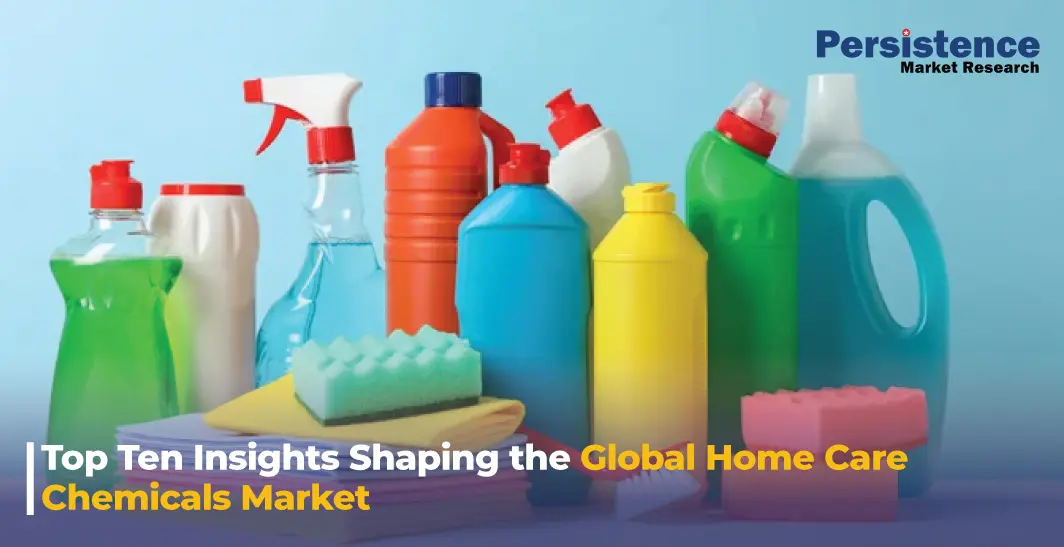
The following ten insights outline the current structure and emerging direction of the global home care chemicals market.
1. Elevated Hygiene Expectations Following the Pandemic
The COVID-19 pandemic permanently altered consumer perceptions of cleanliness. While immediate pandemic-related concerns have eased, hygiene standards remain elevated. Demand continues for disinfectants, antimicrobial agents, and surface cleaners with antiviral properties. The widespread adoption of routine household disinfection during 2020 to 2022 has resulted in sustained consumption patterns, supporting ongoing sales growth.
2. Sustainability and Green Chemistry as Core Market Themes
Environmental considerations have become integral to product development within the home care chemicals market. Consumers increasingly favor formulations that are effective while minimizing environmental impact. This has driven greater use of biodegradable surfactants, plant-based solvents, phosphate-free compositions, and reduced packaging materials. Sustainability-related certifications and recyclable packaging formats are now common across product portfolios.
3. Growth of Intelligent and Multipurpose Cleaning Solutions
Value perception within the market has shifted toward performance combined with convenience. Multipurpose formulations that clean, disinfect, deodorize, and polish multiple surfaces are gaining traction. These products address consumer demand for efficiency and reduced product complexity, contributing to strong uptake in both physical retail and online channels.
4. Rising Adoption of Concentrated and Do It Yourself Formats
Concentrated cleaning products and refill-based models are expanding in response to cost considerations and sustainability awareness. Refill pods, dilution systems, and home mixing formats reduce packaging waste and transportation requirements. These models appeal to households seeking flexibility, cost efficiency, and lower environmental impact.
5. Increasing Customization by Function and Sensory Attributes
Home care chemicals are becoming more tailored to specific user preferences and requirements. Fragrance has emerged as a key differentiator, with offerings spanning subtle neutral scents to botanical and citrus profiles. Functional customization has also expanded, with products designed for pet-safe use, sensitive skin, or hypoallergenic applications addressing diverse consumer needs.
6. Expansion of Digital and E Commerce Distribution Channels
Online sales channels have become an important growth driver for the home care chemicals market. E commerce platforms support subscription services, bundled offerings, and personalized recommendations. This shift is particularly pronounced in regions with established digital infrastructure, including North America, Western Europe, and parts of Asia Pacific.
7. Integration of Enzymatic and Biotechnological Innovations
Advances in biotechnology are influencing formulation strategies across multiple product categories. Enzymes capable of breaking down organic stains, grease, and odors are increasingly incorporated into surface cleaners and degreasers in addition to laundry products. These solutions often deliver high performance while reducing reliance on harsher chemical agents.
8. Regulatory Influence on Formulation and Compliance
Regulatory frameworks governing chemical safety and environmental impact play a significant role in shaping product development. Restrictions on certain substances, volatile organic compounds, and biocides require reformulation and enhanced testing protocols. Regulatory initiatives such as chemical safety standards in Europe have influenced global compliance practices and formulation approaches.
9. Intensifying Competition from Value Segment and Private Labels
Economic pressures and price sensitivity have increased demand for value-oriented products and private label offerings. Retailer-owned brands now compete closely with established manufacturers on performance and quality, while offering lower price points. This competitive landscape has broadened consumer choice across multiple pricing tiers.
10. Emergence of Wellness-Oriented Cleaning Experiences
The concept of wellness has extended into home care routines. Cleaning products increasingly incorporate botanically inspired fragrances associated with relaxation or mood enhancement. This trend positions household cleaning as part of a broader lifestyle and well-being experience rather than a purely functional activity.
Conclusion
The global home care chemicals market has transitioned from a commodity-based sector to a multifaceted industry shaped by health priorities, environmental awareness, digital engagement, and evolving lifestyles. Consumer demand increasingly favors products that combine safety, performance, transparency, and sensory appeal. As a result, the market continues to evolve toward advanced formulations, responsible sourcing, and enhanced user experiences that redefine everyday household care.


