

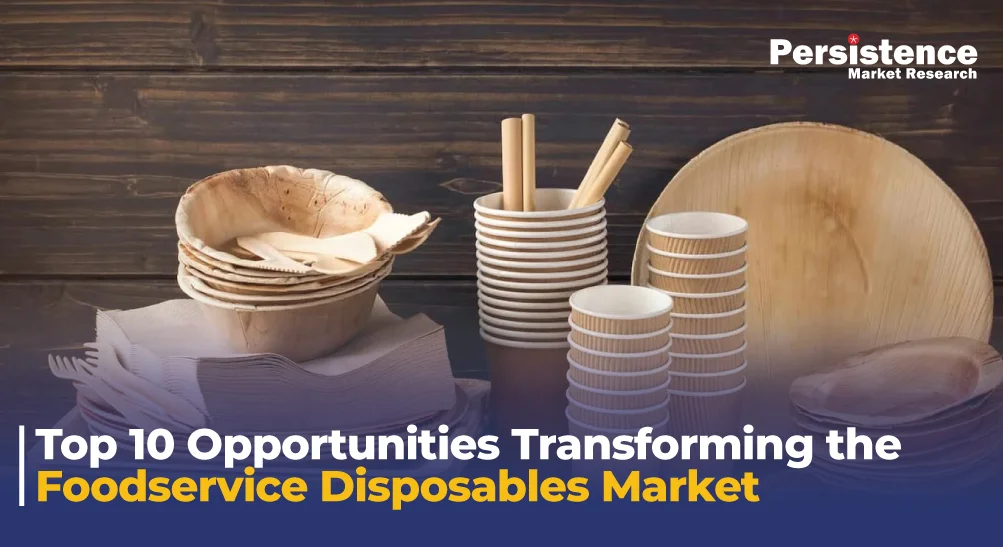
Below are ten key opportunities reshaping the global foodservice disposables landscape, supported by real examples and material trends that illustrate the sector’s evolution.
1. Expansion of Sustainable Material Alternatives
The transition from petroleum-based plastics to renewable materials has accelerated worldwide. Paper, bagasse, bamboo, and molded fiber are now mainstream in single-use packaging. Cities enforcing plastic bans have created high-volume markets for compostable bowls and cups. For instance, demand for molded-fiber trays surged across North America and Europe following restrictions on expanded polystyrene containers. The capability to scale production of fiber-based products without compromising durability is creating a long-term competitive edge.
2. Growth of Certified Compostable Supply Chains
Compostability alone does not ensure environmental benefit unless supported by infrastructure. This gap has led to integrated compostable systems where certified disposables are linked to organized waste collection and industrial composting. Companies partnering with municipalities to build such systems are gaining traction. The development of verified composting logistics ensures credibility and compliance while strengthening brand trust among foodservice operators.
3. Lightweighting and Hybrid Design Optimization
Reducing material use while maintaining performance has become a central design objective. Lightweighting helps lower transport costs and reduces overall emissions. Paperboard cups lined with ultra-thin biodegradable coatings are a leading innovation in this area. These hybrid constructions retain heat resistance and moisture protection while using significantly less polymer than traditional PE-coated cups. This design evolution not only cuts costs but also meets regulatory thresholds for recyclability.
4. Next-Generation Barrier Technologies
Packaging for greasy, oily, or liquid foods has long relied on plastic liners. The emergence of recyclable, plant-based coatings has expanded the usability of paper for soups, sauces, and ready-to-eat meals. These coatings maintain strength under heat and moisture without introducing microplastics. This opportunity has gained attention in fast-growing delivery markets in Asia where demand for leak-proof, biodegradable packaging continues to increase.
5. Reusable and Hybrid Consumption Models
Urban dining regulations are increasingly promoting reuse in dine-in formats. Some cities now require reusable tableware for on-premise service, while maintaining disposables for take-out and delivery. This has created a dual market system, blending reusables and compostable disposables. The operational complexity of managing these parallel systems presents growth potential for suppliers offering dishwashing logistics, collection programs, or hybrid packaging solutions designed for multi-cycle use.
6. Tailored Solutions for Delivery and Takeaway Channels
Food delivery has reshaped packaging design priorities. Products now require tamper-evident seals, heat retention, and stackable shapes that survive transport. Packaging tailored to aggregator and cloud-kitchen models represents a growing share of demand. Containers with smart vents or insulated walls illustrate how material performance directly influences food quality during transit. The ongoing rise of online food platforms ensures this segment will remain a central growth driver.
7. Commercialization of Bioplastics and Drop-in Polymers
Bio-based polymers such as bio-PE and PLA are gaining market acceptance as drop-in substitutes for traditional resins. These materials enable compatibility with existing machinery and recycling streams while lowering overall emissions. Transparent lids, straws, and film wraps are early success categories. As cost efficiency improves, bioplastics are expected to occupy a larger share of high-visibility foodservice items.
8. Expansion of Private-Label Programs in Retail Foodservice
Retailers and quick-service restaurant chains are increasingly turning to private-label disposable lines to control quality and sustainability credentials. This shift is generating large-scale contracts for packaging manufacturers capable of meeting audit and traceability standards. The ability to co-develop eco-certified, cost-efficient private-label disposables has become a significant revenue opportunity, especially in North America and Europe.
9. Value-Added Branding and Smart Packaging Integration
Disposable packaging has evolved into a communication medium. QR-enabled cups, thermochromic inks, and custom-printed trays allow food brands to connect digitally with customers while reinforcing sustainability commitments. For example, QR codes linking to recycling instructions or sourcing information have seen successful adoption among premium beverage brands. Integrating design and brand identity into disposable formats creates differentiation in an otherwise price-competitive market.
10. Industry Consolidation and Specialized Manufacturing
The competitive landscape is characterized by both large diversified packaging groups and specialized eco-focused entrants. Global players such as Huhtamaki, Pactiv Evergreen, Dart Container, Graphic Packaging, Sonoco, Berry Global, and Reynolds Consumer Products are expanding capacity for molded fiber and paperboard packaging. Simultaneously, niche manufacturers focusing exclusively on compostables or bioplastics are scaling through acquisitions and strategic alliances. Consolidation is leading to greater vertical integration, supply stability, and stronger regulatory compliance.
Outlook
The foodservice disposables market is moving beyond a focus on convenience toward a model that balances performance, compliance, and sustainability. Governments are imposing extended producer responsibility (EPR) frameworks, while consumers increasingly expect transparency in material sourcing. These forces are encouraging innovation in renewable raw materials, waste collection systems, and circular packaging technologies.
This transition is redefining value chains. Material science firms, waste-management providers, and foodservice brands are now more interconnected than ever before. Market forecasts indicate that the sector will sustain steady growth through the next decade, supported by rising out-of-home consumption, rapid delivery penetration, and the global momentum of environmental policy enforcement.
The transformation of the foodservice disposables market reflects broader shifts in the global consumption model. Each of the ten opportunities represents a structural pathway toward scalable sustainability, where product innovation, infrastructure, and brand value intersect. The companies that align with this evolution are not merely responding to regulation but contributing to a more responsible and technologically advanced foodservice ecosystem.


