

1. IoT Adoption Drives Connectivity
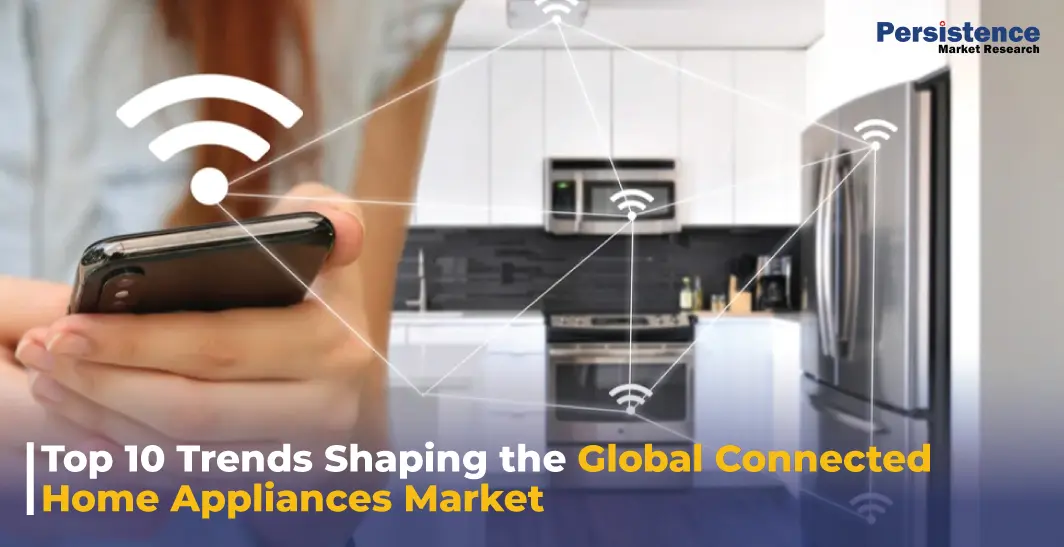
The integration of IoT technology is the defining feature of connected appliances. Sensors embedded in devices allow for the collection of real-time data on usage, performance, and environmental conditions. Appliances can communicate with each other, creating a synchronized network of devices that can operate in harmony. This level of connectivity enables dynamic control, automated adjustments, and seamless interaction with other systems in the home. As IoT technology evolves, appliances are increasingly capable of providing sophisticated functionalities beyond their basic purposes, transforming the traditional home environment into a responsive and adaptive ecosystem.
2. Artificial Intelligence Enhances Functionality
AI integration has transformed appliances into intelligent systems capable of learning from user behavior and environmental conditions. Devices can optimize performance, anticipate needs, and adapt to changing patterns automatically. For example, a smart oven can adjust cooking times based on previous usage, while refrigerators can manage internal temperature zones based on stored contents. AI allows appliances to deliver more personalized experiences, making homes more intuitive and reducing the need for manual intervention. The continuous evolution of machine learning algorithms is enabling appliances to become increasingly predictive, efficient, and user-centric.
3. Energy Efficiency Gains Importance
Energy efficiency has become a central focus in the design and operation of connected appliances. Modern devices are equipped with systems to monitor energy consumption, adjust operations to reduce waste, and optimize performance for minimal power usage. This emphasis on energy-conscious design is reflected in the increasing prevalence of eco-modes, automated scheduling, and smart energy management functionalities. Connected appliances now contribute to more sustainable household operation, highlighting the growing intersection of technology, environmental responsibility, and resource management.
4. Integration with Smart Home Ecosystems
Connected appliances are increasingly designed to work cohesively within broader smart home ecosystems. Integration allows devices to communicate with other home systems, such as lighting, security, and entertainment, enabling synchronized operation. For instance, a smart thermostat may adjust temperature settings based on the activity detected by motion sensors or connected window shades. This interoperability enhances convenience, supports complex automation routines, and allows households to operate as a unified system rather than isolated appliances.
5. Emergence of Service-Oriented Models
Connected appliances are evolving to include software and cloud-based services as intrinsic components of their operation. Devices can now receive firmware updates, integrate new functionalities over time, and connect to cloud-based platforms for extended capabilities. This shift represents a broader change in the way appliance’s function, moving from static products to dynamic systems capable of ongoing adaptation and improvement. Service-oriented features are increasingly considered an essential aspect of connected appliance design, enhancing long-term utility and relevance.
6. Advanced Connectivity Standards
The development of advanced communication protocols has enhanced the reliability and responsiveness of connected appliances. Protocols like Zigbee, Wi-Fi 6, and Matter enable devices to communicate more efficiently, support multiple devices simultaneously, and ensure stable performance even in complex home networks. Improved connectivity standards allow appliances to integrate seamlessly with other devices, maintain consistent operation, and deliver more sophisticated functionalities without disruptions or latency.
7. Focus on Security and Data Privacy
Security and privacy are central considerations in the connected appliances market. Devices collect a range of personal and operational data, which requires protection against unauthorized access and breaches. Manufacturers are embedding encryption, authentication, and secure cloud storage measures into appliances to ensure data integrity. The emphasis on privacy and secure communication has become a defining characteristic of the market, reflecting both consumer expectations and the technological complexities of connected systems.
8. Voice and Gesture Control Capabilities
Voice commands and gesture recognition are increasingly integrated into connected appliances, transforming interaction methods and enhancing accessibility. These technologies allow users to operate devices without direct physical input, providing convenience and supporting diverse household needs. Voice and gesture control features have expanded the potential user base for connected appliances, including individuals seeking hands-free operation or intuitive interfaces for more seamless engagement with their devices.
9. Regional Growth Patterns
The adoption of connected appliances varies widely across geographic regions. Mature markets typically exhibit established smart home ecosystems, higher connectivity penetration, and greater adoption of advanced appliance functionalities. In contrast, emerging regions are experiencing rapid growth driven by increasing urbanization, rising technology awareness, and expansion of digital infrastructure. These differences highlight the diverse pace of market development, reflecting the influence of infrastructure, cultural adoption patterns, and technological readiness on connected appliance integration.
10. Convergence with Health and Wellness Features
Connected appliances are increasingly designed with health and wellness considerations in mind. Air purifiers detect pollutants, refrigerators monitor food freshness, and washing machines can incorporate allergen-reduction cycles. This convergence reflects a broader trend in which household appliances are not only functional but also contribute to overall well-being. Health-oriented features demonstrate how connected devices are evolving beyond traditional utility, aligning appliance functionality with lifestyle and wellness considerations.
Conclusion
The connected home appliances market is characterized by rapid innovation, technological integration, and evolving functionality. Trends such as IoT connectivity, AI-enabled personalization, energy efficiency, smart ecosystem integration, advanced connectivity protocols, and health-focused features are shaping a landscape where appliances are increasingly intelligent, responsive, and integral to daily life. The sector continues to redefine household operations, offering devices that are more interactive, adaptive, and aligned with contemporary living standards. Connected home appliances exemplify the convergence of technology, lifestyle, and innovation, signaling a future where homes function as fully integrated, intelligent environments.


