

Here are ten innovative perspectives on this quickly changing business, including everything from technology advancements to changing patient demographics and upcoming prospects.
1. The Global Spread of Obesity Is Driving Surgical Demand
High-income nations are no longer the only places where obesity is a problem; middle- and low-income areas are also experiencing an increase in obesity. Rising BMI patterns across continents are caused by sedentary lifestyles, urban diets high in fats and sweets, and genetic predispositions. Consequently, the number of bariatric surgery treatments, including gastric banding, sleeve gastrectomy, and gastric bypass, has dramatically increased globally. The increased prevalence of obesity is driving up demand for surgical tools that promote safer, more successful weight loss.
2. The New Standard Is Minimally Invasive Surgery
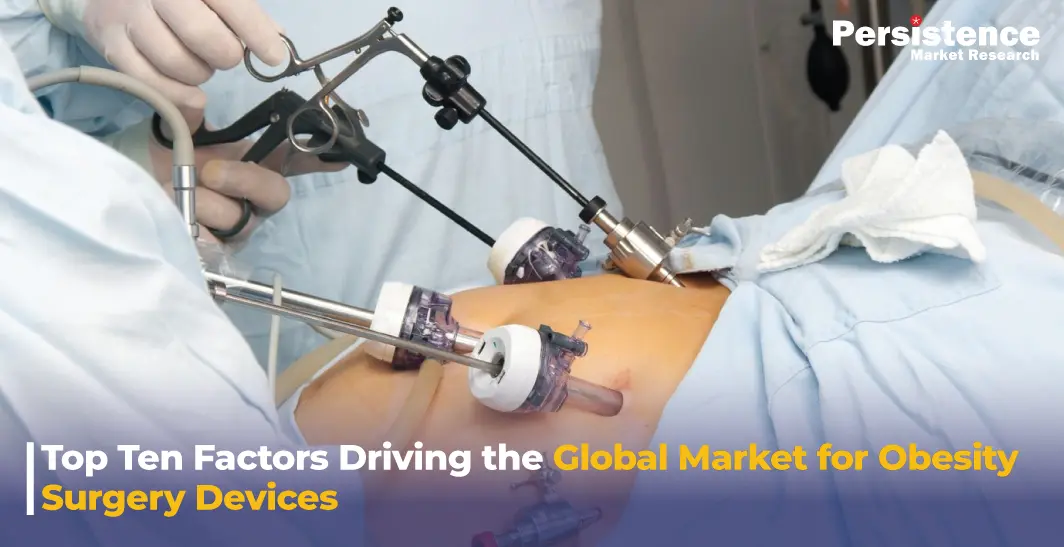
Minimally invasive procedures are now the gold standard due to advancements in surgical technology. Robotic-assisted and laparoscopic obesity operations have fewer problems, shorter recovery periods, and smaller incisions. Patients today expect minimally invasive technology to provide greater cosmetic results, less pain, and a faster return to regular life. For instance, to increase accuracy and reduce surgeon fatigue during sleeve gastrectomies, robotic systems like those from Intuitive Surgical are being utilized more frequently.
3. Growing Preference for Sleeve Gastrectomy Compared to Conventional Techniques
Sleeve gastrectomy has become the most common bariatric treatment performed worldwide due to the fact that it is less complicated than a gastric bypass, significantly reduces stomach volume, and has demonstrated significant long-term weight loss outcomes with fewer problems with food absorption. This trend is reflected in the device market, where the proportion of surgical instruments and staplers made especially for this process is rising.
4. The Market Is Growing Due to Endoscopic Procedures
Not every patient is a good candidate for or prepared to undergo extensive surgery. This is where endoscopic bariatric treatments, such as aspiration devices, gastric balloons, and endoscopic sleeve gastroplasty (ESG), are becoming more popular. These less intrusive alternatives close a big gap in the field of treating obesity. For example, endoscopic instruments open up new market niches because they require distinct technologies than conventional bariatric surgery instruments.
5. Using Intelligent Surgical Instruments Improves Accuracy
Digital and data-driven obesity surgery is the way of the future. Surgical accuracy and patient safety are being improved by smart surgical instruments like sensor-enabled staplers, AI-guided navigation, and real-time imaging systems. These tools lower risk and improve results by assisting surgeons in making data-driven decisions in the middle of a procedure. For example, sophisticated electrosurgical instruments now offer real-time input on tissue quality, enabling surgeons to dynamically adjust their approach throughout a procedure resulting to a major improvement over conventional intuition-based methods.
6. Remote Pre/Post-Surgery Care and Telehealth Improve Patient Results
These days, telehealth is used for more than only consultations. Digital platforms are being used more frequently by obesity surgery programs to facilitate post-operative follow-ups, dietary counseling, and pre-surgical evaluations. These resources support patients in maintaining motivation, following lifestyle modifications, and promptly addressing difficulties. The long-term success of bariatric procedures is being strengthened by wearable data-linked mobile apps and remote patient monitoring systems, which are also becoming a part of the entire surgical ecosystem.
7. Increasing Insurance Coverage Makes Surgery More Accessible
Access is changing in several nations due to increased insurance coverage of bariatric surgeries. In the past, out-of-pocket expenses prevented many patients from having surgery. Now, as insurers recognize the long-term cost savings of obesity treatment, from reduced diabetes medication to fewer cardiac interventions the coverage of surgical procedures and devices is steadily improving. This change presents a significant opportunity for surgery centers, hospitals, and device manufacturers.
8. The Use of Bariatric Surgery Devices to Control Metabolic Disease Is Growing
The use of obesity surgery devices to treat metabolic diseases like type 2 diabetes, hypertension, and sleep apnea is becoming more widely acknowledged, and they are no longer only seen as instruments for weight loss. Advanced bariatric device-supported procedures have shown notable improvements in cardiovascular risk factors and insulin sensitivity. The usage of obesity surgery devices as part of all-encompassing metabolic illness treatment regimens is increasing due to the rising body of clinical evidence.
9. Cost-effectiveness and sustainability are turning into design requirements.
Sustainability and cost-effectiveness are now factors in the competitive assessment of manufacturers, rather than just surgical performance. Under budgetary constraints, healthcare institutions are progressively choosing eco-friendly production methods, recyclable gadgets when safe, and cost-effective versions. This is especially important in developing nations where controlling costs and being environmentally conscious are top considerations.
10. Training initiatives and strategic alliances promote market adoption
Devices used in obesity surgery are complicated and need to be operated by knowledgeable professionals. Many device manufacturers are investing in simulation labs, surgeon training programs, and collaborations with healthcare organizations in order to hasten acceptance. These programs lower complication rates, increase procedure volumes, and assist surgeons in learning new technologies more quickly. For instance, a number of significant device manufacturers fund recognized training programs to educate bariatric surgeons in cutting-edge robotic and laparoscopic procedures. This approach also promotes deeper clinical trust and brand loyalty.
Conclusion
The demand for obesity surgery devices is being driven by growing obesity prevalence, technical advancements, and increased clinical acceptance. Globally, the treatment of obesity is being redefined by sophisticated surgical instruments, minimally invasive methods, and better patient outcomes. The market is positioned for long-term growth driven by innovation and accessibility as healthcare systems come to view surgery as a strategic intervention rather than a last resort.


